By Max Hartshorne, GoNOMAD Editor
Tucked away at the southern reaches of the South China Sea, Hainan Island is a land of startling contrasts. Geographically closer to the vibrant coasts of Vietnam than the political nerve center of Beijing, this Chinese province exists in a state of perpetual summer. Often dubbed the “Hawaii of the East,” Hainan is evolving from a localized resort destination into a sophisticated, multi-faceted travel hub that balances high-octane luxury with deep-rooted indigenous tradition. For the international traveler, it represents a paradox: a region that is simultaneously one of China’s most accessible gateways and its best-kept secrets.
Main Facts: The Tropical Pivot
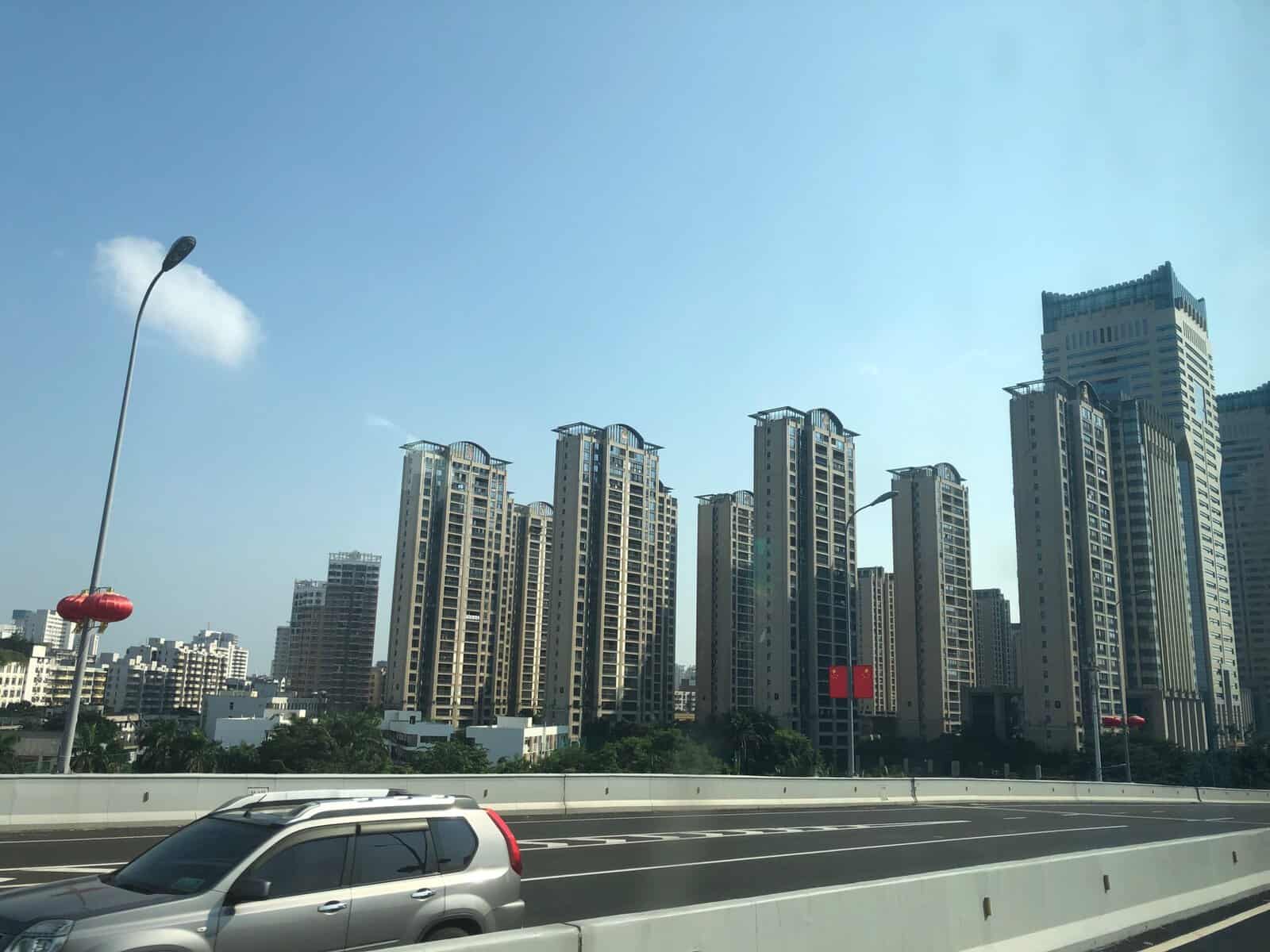
Hainan is not merely a beach destination; it is a sprawling, subtropical province defined by volcanic topography, dense rainforests, and a unique cultural tapestry that predates modern tourism. While mainland China often moves with a frenetic, high-decibel energy, Hainan operates on a “tropical clock.” The island’s infrastructure is world-class, bolstered by a massive, high-speed rail loop that encircles the entire province, making it trivial to traverse the distance between the northern capital of Haikou and the southern resort strip of Sanya in a matter of hours.
For the international visitor, the most significant draw—beyond the climate—is the visa-free entry policy for dozens of nationalities. This strategic decision by the Chinese government has transformed the island into a testing ground for international tourism, positioning it as an easier, more welcoming entry point into the country than the often-daunting urban sprawl of Shanghai or Beijing.
A Chronology of Transformation
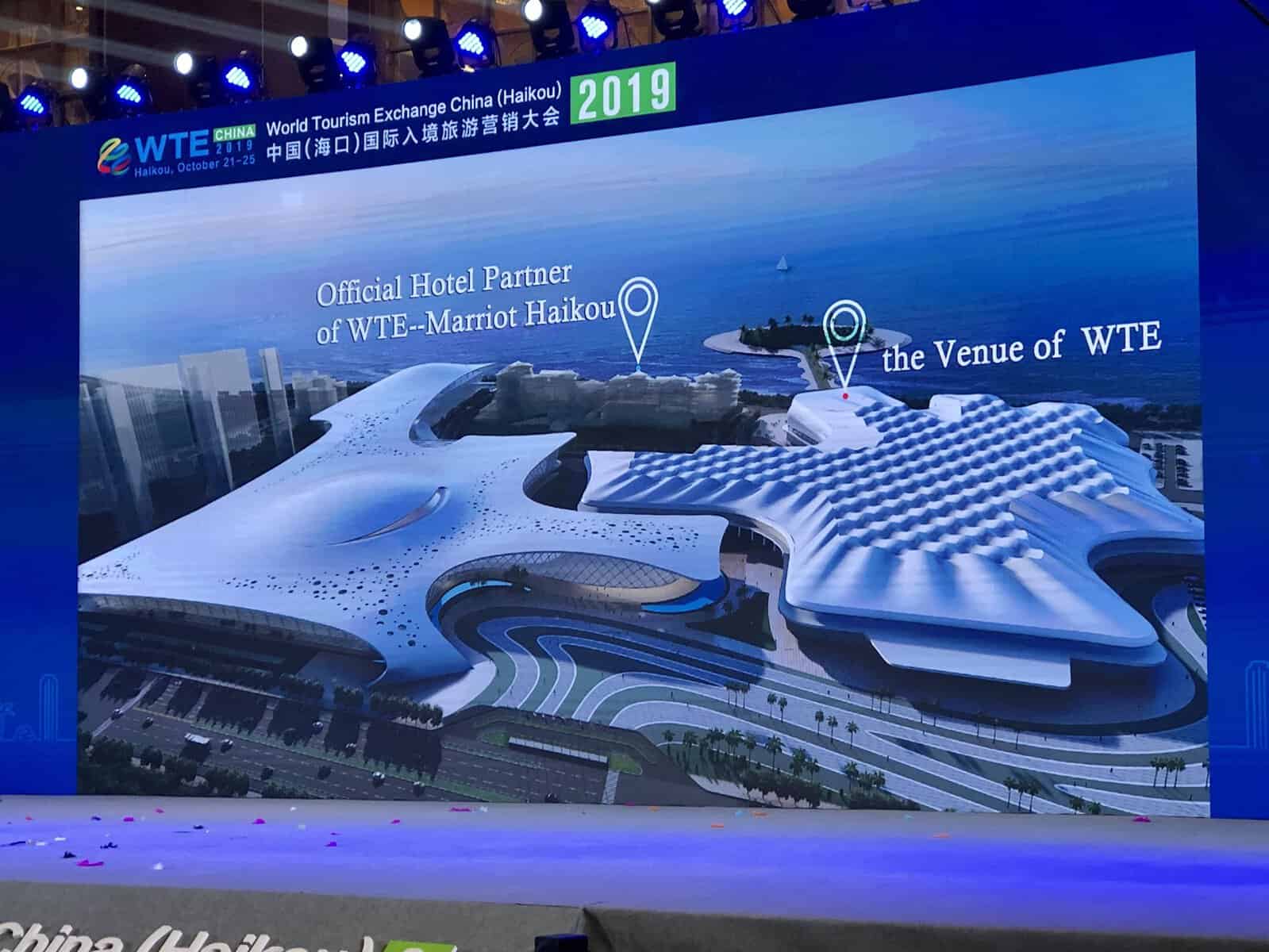
My initial journey to the island in 2020 served as a window into its rapid maturation. Even then, the scale of ambition was visible in the massive construction projects at the provincial convention centers.
- Pre-2020: The early development phase focused on establishing Sanya as a premier destination for domestic tourists, characterized by the rise of high-end hotel chains and luxury resort clusters in Yalong Bay.
- The 2020 Expansion: During my visit, the island was doubling the capacity of its convention facilities, signaling a shift toward international business tourism and MICE (Meetings, Incentives, Conferences, and Exhibitions) markets.
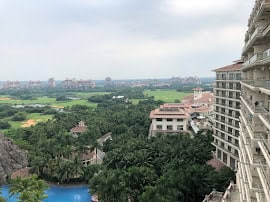
- The Modern Era (2026): Today, Hainan has successfully integrated its disparate identities. The Mission Hills complex, a sprawling behemoth featuring 10 championship-level 18-hole golf courses, represents the peak of this transition. While quiet on the days I visited, the facility—coupled with the Guinness World Record-holding "Largest Mineral Springs Spa"—illustrates the island’s push to become a year-round destination for luxury seekers.
Supporting Data and Regional Highlights
To understand Hainan, one must segment the island into its three primary psychological and geographic zones: the Northern Cultural Hub, the Southern Resort Coast, and the Wild Interior.
The Northern Capital: Haikou
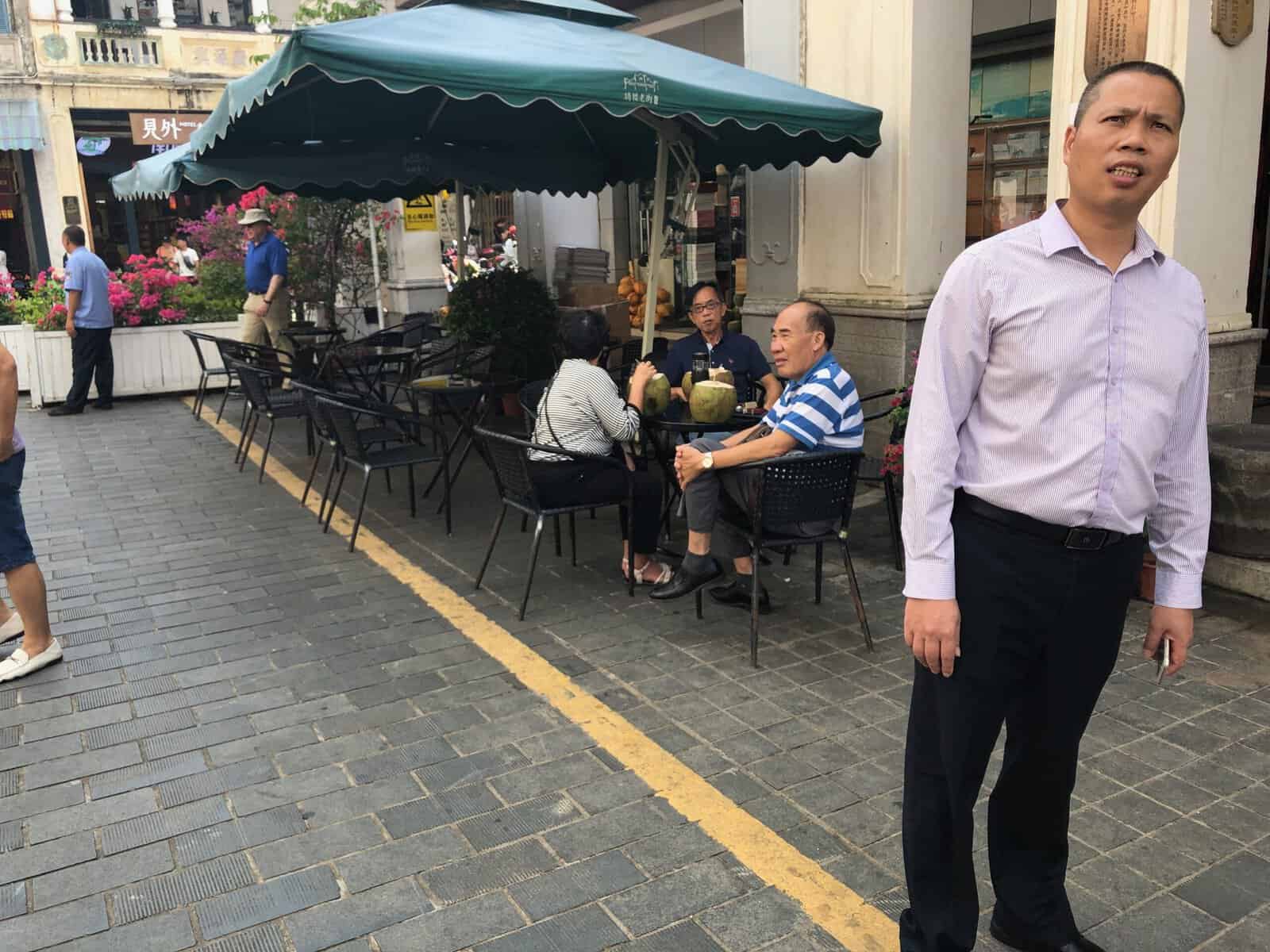
Haikou, the capital, is where the history of the island resides. The Qilou Old Street district is a masterclass in architectural preservation, featuring a fusion of Chinese, European, and Southeast Asian influences. These arcaded buildings, once crumbling, have been revitalized into vibrant hubs of commerce and local life.
Perhaps the most jarring—and delightful—element of the city is the silence. While China’s urban centers are traditionally defined by a cacophony of internal combustion engines, Haikou has embraced the future. Its vast fleet of electric motorcycles glides through the streets, creating a tranquil soundscape that allows the visitor to actually hear the rhythm of daily life—the chatter of noodle shop owners and the bustle of the markets.
The Southern Strip: Sanya
Sanya is the engine of the island’s tourism economy. It is divided into three distinct bays, each catering to a different demographic:
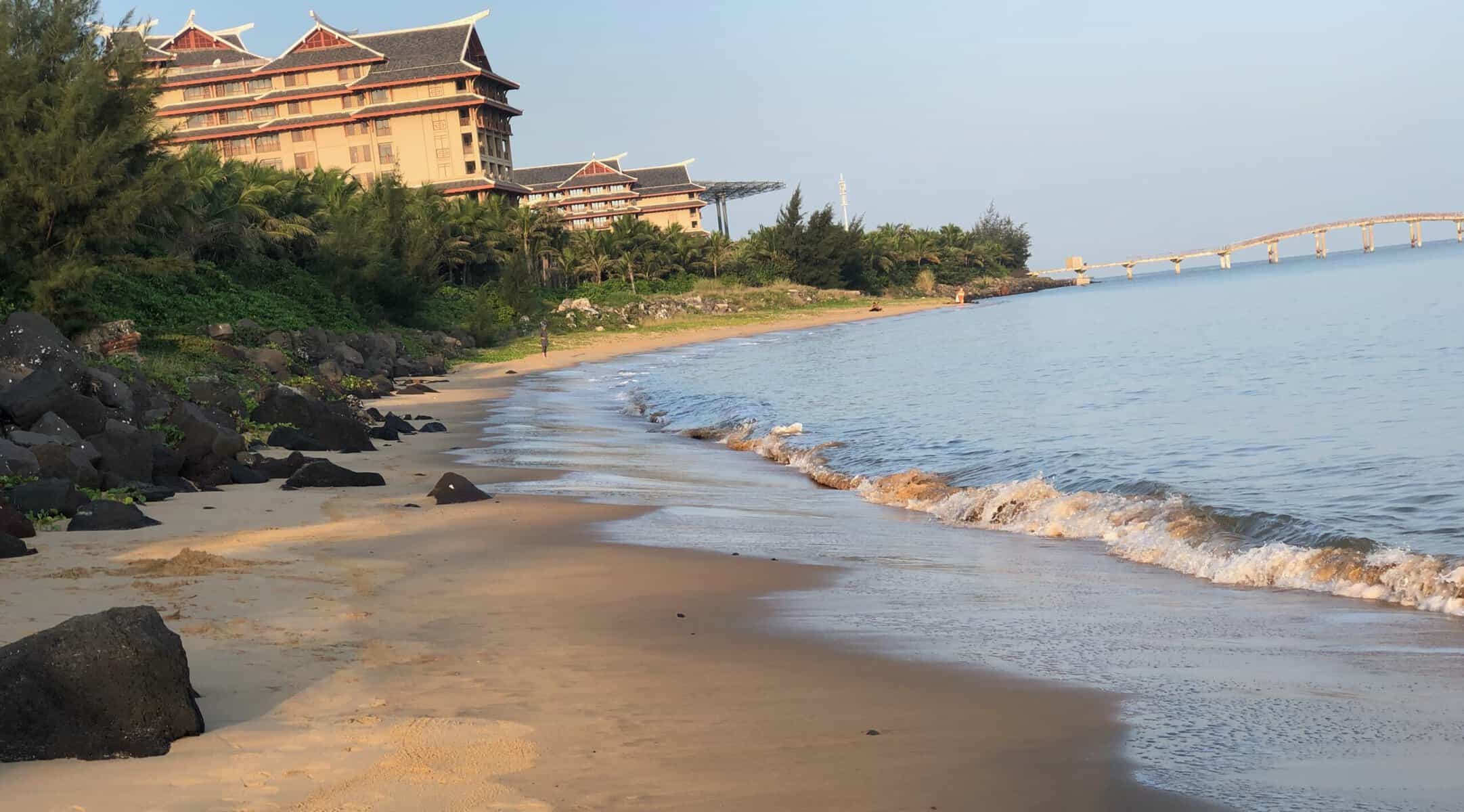
- Yalong Bay: The polished, high-end sanctuary. Here, the sand is white, the water is clear, and the world-class resorts operate with a level of luxury that rivals the Maldives or French Polynesia.
- Haitang Bay: The frontier of growth. With its sprawling, undeveloped shoreline and newer, contemporary properties, it represents the future of Hainan’s luxury sector.
- Dadonghai: The local heartbeat. It is here that the island feels most authentic, with boardwalk cafes, smaller family-run eateries, and a vibrant evening social scene that feels more like a night market in Thailand than a rigid Chinese metropolis.
The East Coast: The Surfer’s Haven
Between the major hubs of Wanning and Lingshui lies the island’s most adventurous stretch. Riyue Bay has emerged as the unofficial surfing capital of China. The waves here are consistent, and the culture is decidedly "surf-bum chic," characterized by independent hostels, cafes, and a community of residents who prefer a surfboard to a boardroom. It is a reminder that even in a highly regulated country, pockets of bohemian culture can flourish.
The Interior: The Green Lung
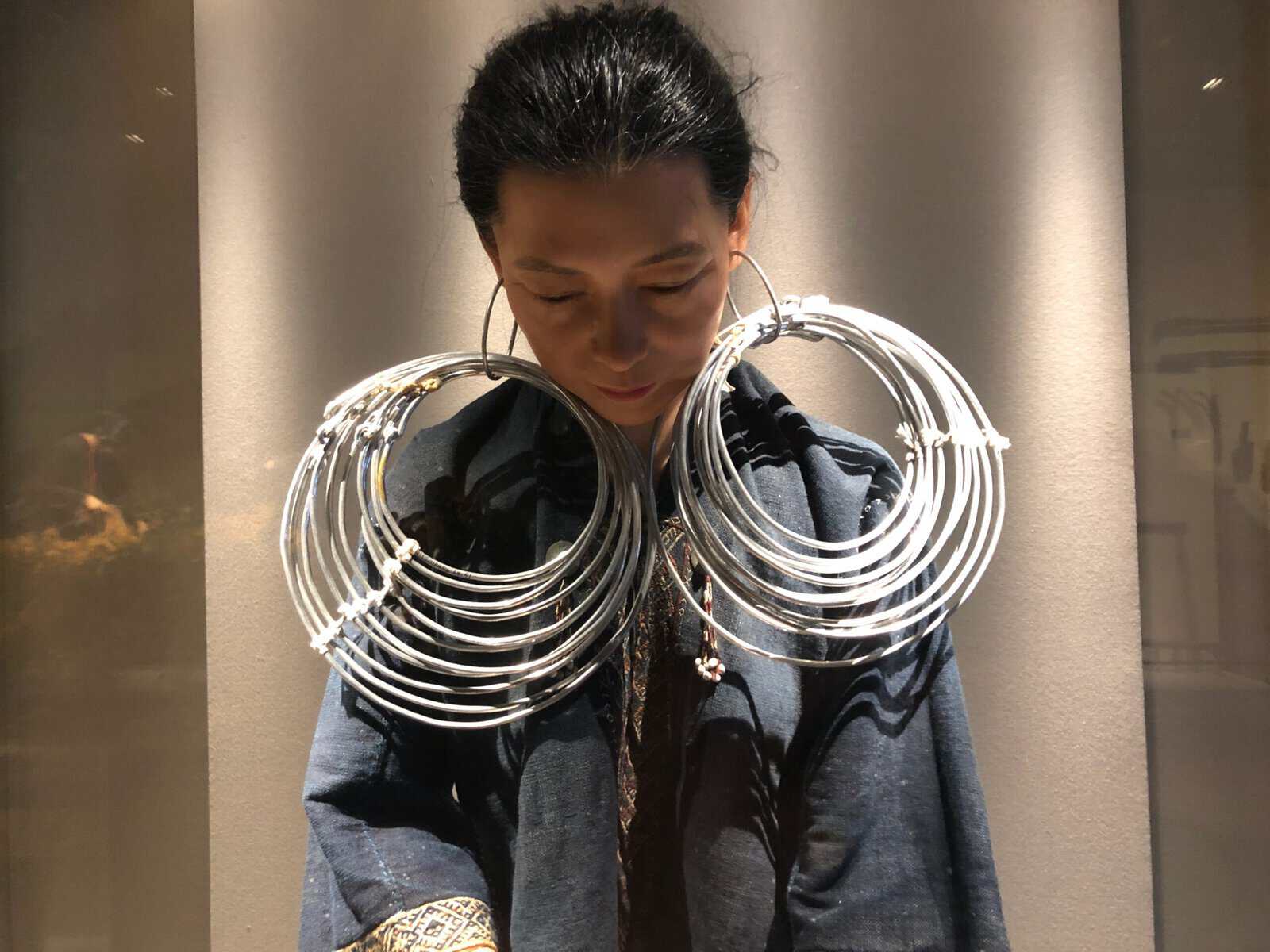
The interior of Hainan is the domain of the Li people, the original inhabitants of the island. Beyond the coastal resorts, the terrain rises into the Wuzhishan (Five Finger Mountain) range. This is the "green lung" of the island, a place of waterfalls, canopy walks, and deep, untouched rainforests. Parks like Yanoda offer a glimpse into the ecological diversity that persists despite the rapid urbanization of the coast. For the hiker, this is where the real Hainan exists—far from the duty-free malls and high-rise condominiums.
Official Perspectives and Strategic Implications
The Chinese government’s strategy for Hainan is clear: it is being groomed as a "Free Trade Port." The implication for the traveler is a more open, more Western-friendly experience.
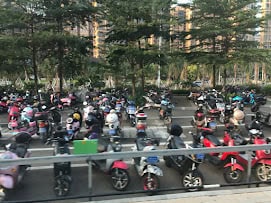
Government-led initiatives have focused on easing the "friction" of travel. By simplifying visa procedures and investing heavily in the high-speed rail loop, authorities are effectively shortening the perceived distance between Hainan and the global market. Furthermore, the push for sustainable, all-electric transport in cities like Haikou is part of a broader, nation-wide environmental policy that is being piloted in this tropical province.
The economic implications are equally significant. By building massive convention centers and cinema-themed parks like "Movie Town"—a sprawling recreation of 1940s China—the island is diversifying its revenue streams. It no longer relies solely on beach tourism; it now captures the film industry, the corporate conference market, and the wellness/medical tourism sector.
Practical Considerations for the 2026 Traveler
For those planning a trip, the island is remarkably easy to navigate.
- Timing: The "Goldilocks" window for visiting is November through April. During this period, the humidity is manageable, the skies are clear, and the threat of typhoons is minimal.
- Dining: While Hainanese Chicken Rice is the island’s most famous export, the reality of the food scene is far more diverse. Visitors should prioritize the "Seafood Markets," where the experience is direct: you select your catch, and it is prepared to your liking at a nearby stall.
- Getting Around: Forget the rental car. The high-speed rail loop is an engineering marvel that connects the entire island. For intra-city travel, the Didi app (the Chinese equivalent of Uber) is the most efficient, cost-effective, and transparent way to navigate.
Conclusion: Why Hainan Matters
Hainan Island is a testament to the fact that China is not a monolith. It is a place where you can find world-class surfing, indigenous tribal culture, high-tech urban environments, and serene rainforests all within a few hours of each other.
It is a destination that is currently "in-between"—it has successfully modernized its infrastructure while still holding onto the pockets of authenticity that make travel rewarding. For the international visitor, it offers a "soft landing" into the complexities of Chinese culture. Whether you are looking to hike the Five Finger Mountain, surf the waves of Riyue Bay, or simply experience the silence of a city run on batteries, Hainan is not just a tropical escape; it is a vital, breathing, and rapidly evolving part of the modern world. It is a place that demands a visit now, before the secret becomes common knowledge.