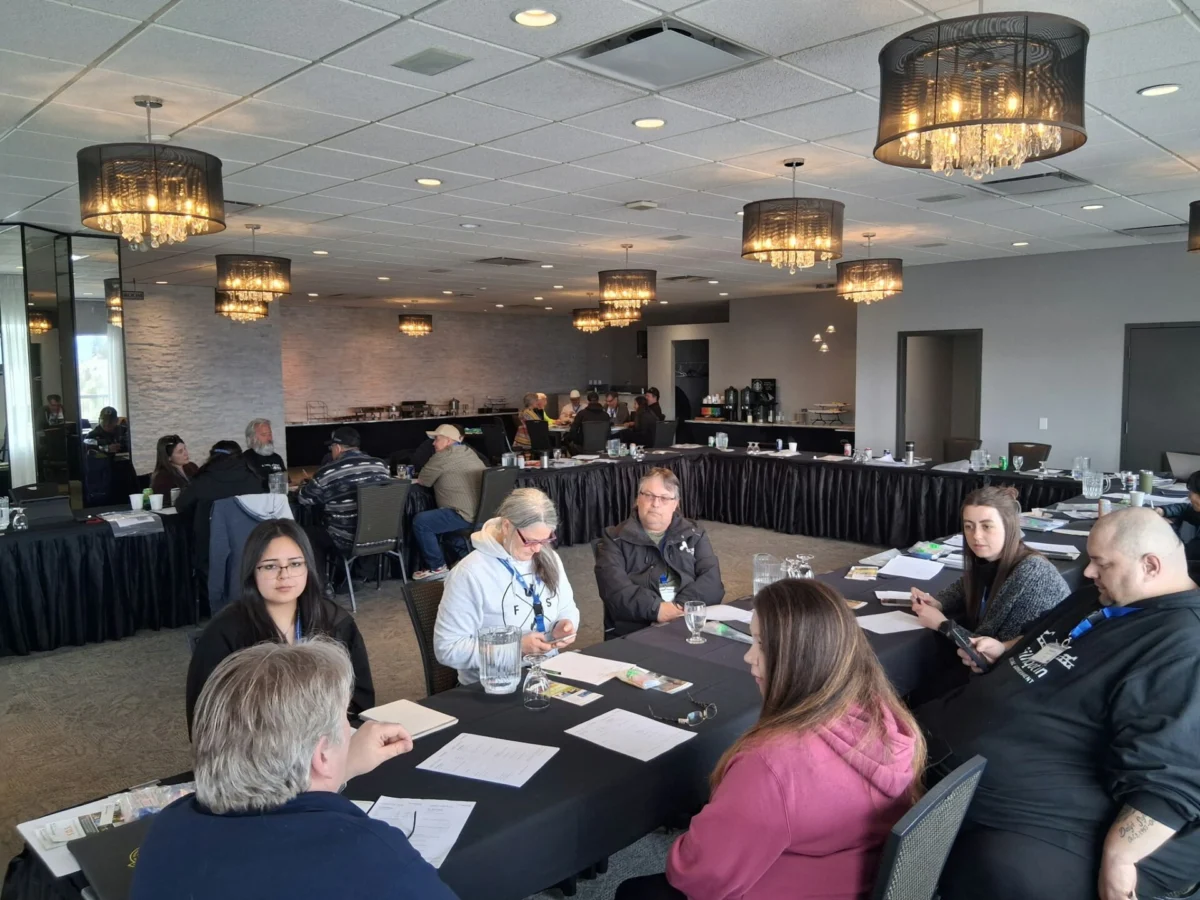
KAMLOOPS, B.C. – In a pivotal moment for emergency management in Western Canada, representatives from 18 First Nations gathered last week on the traditional territory of the Tk’emlúps te Secwépemc. The occasion was the BC Regional Search and Rescue (SAR) Prevention & AdventureSmart Workshop, a full-day summit designed to fundamentally reshape how safety is conceptualized, communicated, and practiced across the province’s vast and rugged wilderness.
The event, co-hosted by the AdventureSmart program and Holistic Emergency Preparedness & Response (HEPR), served as a cornerstone for the ongoing "Indigenous Community Engagement Project." By moving beyond traditional top-down safety models, the workshop aimed to weave Indigenous knowledge systems into the fabric of contemporary SAR prevention, fostering a collaborative landscape where land stewardship and public safety become inextricably linked.
The Genesis of the Workshop: Aligning Safety with Sovereignty
For decades, Search and Rescue operations in British Columbia have relied heavily on provincial mandates and standardized safety protocols. While effective, these models have often lacked the localized, ancestral nuances that define the relationship between Indigenous peoples and their traditional territories.
The workshop in Kamloops was not merely a training session; it was a deliberate attempt to dismantle the silos between institutional emergency response and Indigenous land-based expertise. The organizers—led by the collaborative efforts of AdventureSmart and HEPR—recognized that the most effective way to prevent SAR incidents is to ensure that safety education is culturally resonant and geographically specific.
Chronology of the Summit
The day-long gathering followed a carefully curated agenda intended to move from theoretical framework to practical application:
- 09:00 – Opening Protocols: The workshop commenced with a formal welcome from the Tk’emlúps te Secwépemc, setting the tone for a gathering rooted in respect, protocol, and the acknowledgement of ancestral lands.
- 10:30 – The Indigenous Community Engagement Project: A deep dive into the pilot project, which aims to integrate First Nations, Métis, and Inuit perspectives into the standard AdventureSmart curriculum.
- 12:30 – Collaborative Dialogue: Afternoon sessions were dedicated to "Working Together to Stay Safe on the Land," a series of roundtable discussions where GSAR (Ground Search and Rescue) volunteers and Indigenous leaders exchanged narratives of survival, rescue, and preventative stewardship.
- 15:00 – Future-Mapping: The final hours were spent identifying actionable steps to ensure these partnerships extend beyond the workshop walls and into regional policy development.
Supporting Data: Why Cultural Integration Matters
The urgency of this initiative is underscored by the geography of British Columbia. With thousands of kilometers of wilderness, ranging from alpine mountain ranges to dense coastal rainforests, the province presents unique challenges to outdoor enthusiasts.
Statistics provided during the workshop highlighted that SAR incidents are not uniform; they are often influenced by a lack of familiarity with terrain-specific hazards—hazards that Indigenous communities have been navigating for millennia.
- Engagement Metrics: The participation of 18 distinct First Nations, including the Tŝilhqot’in National Government, Splatsin First Nation, and the Lillooet Tribal Council, represents the largest consultative gathering of its kind for SAR prevention in the region.
- Knowledge Transfer: The workshop emphasized that traditional ecological knowledge (TEK) provides critical data points on environmental shifts, seasonal weather patterns, and wildlife behavior—information that, when integrated into modern GIS mapping and safety briefings, significantly reduces the risk of getting lost or stranded.
Voices from the Territory: Official Responses
The success of the workshop relied heavily on the diversity of the attendees. The presence of leadership from the Prophet River First Nation, Doig River First Nation, and the Toquaht Nation allowed for a broad spectrum of regional perspectives.
"Safety on the land is not a new concept for us; it is a way of life that has sustained our people since time immemorial," said one representative during the closing plenary. "By inviting us to the table, the SAR community is finally acknowledging that the most effective ‘prevention’ is the knowledge that has been passed down through generations."
The organizers echoed this sentiment. A representative from Holistic Emergency Preparedness & Response noted: "We are moving away from the idea that we are ‘teaching’ safety to these communities. Instead, we are facilitating a dialogue where our modern tools—like satellite communication and GPS tracking—can be empowered by the profound, ancestral wisdom of the people who have served as the original stewards of these lands."
The AdventureSmart team emphasized that the workshop was a two-way street. While they provided resources on current provincial safety initiatives, they walked away with a clearer understanding of how to tailor their messaging to be more inclusive and culturally safe.
Implications: A New Era for Land-Based Safety
The implications of this workshop are far-reaching. As the province grapples with the impacts of climate change—which is rendering traditional travel routes increasingly unpredictable—the need for a unified approach to safety has never been higher.
Integrating Traditional Knowledge into Modern SAR
One of the most significant outcomes of the event was the consensus that modern SAR prevention programs must evolve. Future iterations of the AdventureSmart curriculum are expected to:
- Incorporate Indigenous Language: Utilizing local terminology for landscape features, which can be vital for communication during emergency incidents.
- Community-Led Prevention: Training local community members as "SAR Ambassadors" who can lead prevention initiatives in their own territories, ensuring that safety messaging is culturally relevant and linguistically accessible.
- Cross-Generational Education: Fostering programs that bring together Elders, who hold historical knowledge of the land, with youth, who can bridge the gap between traditional knowledge and modern emergency technology.
Strengthening Institutional Partnerships
The commitment shown by the 18 First Nations and the GSAR partners indicates a shift toward long-term institutional change. By creating a formalized network of communication, these groups are ensuring that when an emergency does occur, the response is not just technical, but relational. The "Working Together to Stay Safe on the Land" project is set to become the blueprint for future provincial engagement.
Looking Ahead: The Path Forward
As the participants returned to their respective communities, the work is far from over. The workshop served as a catalyst for a series of follow-up regional consultations planned for the coming year.
"This is the beginning, not the end," remarked a spokesperson for the project. "We acknowledge that there are many voices we have yet to reach, and we look forward to connecting with those who were unable to attend. The goal is a province-wide network where every person—regardless of their background—can travel the land with the confidence that they are supported by a safety system that respects the history and the sovereignty of the First Nations."
The "Working Together to Stay Safe on the Land" initiative represents a profound maturation of British Columbia’s emergency management sector. By centering Indigenous perspectives, the province is not only improving its SAR response capabilities but is also honoring the inherent right of First Nations to manage and protect their traditional territories.
As the sun set over the Tk’emlúps te Secwépemc territory, the consensus among attendees was clear: the future of wilderness safety in British Columbia lies in the intersection of the old and the new. By blending the precision of modern technology with the deep, observational wisdom of Indigenous traditions, a safer future is being carved into the landscape—one that respects both the land and the people who call it home.
For more information on the "Working Together to Stay Safe on the Land" project, or to learn more about the partnership between AdventureSmart and Holistic Emergency Preparedness & Response, visit their respective websites or contact your local regional SAR office.