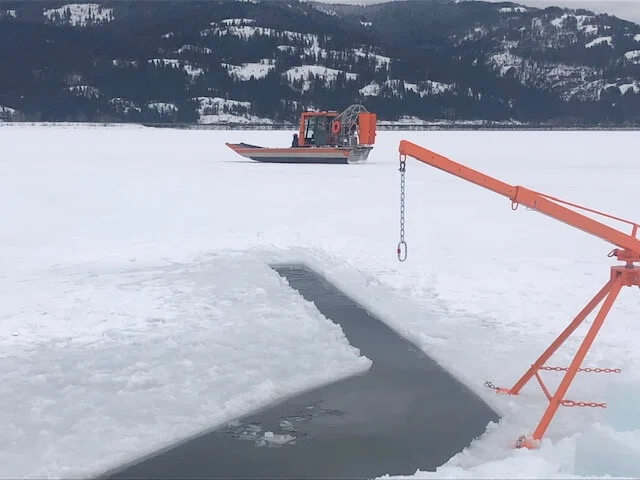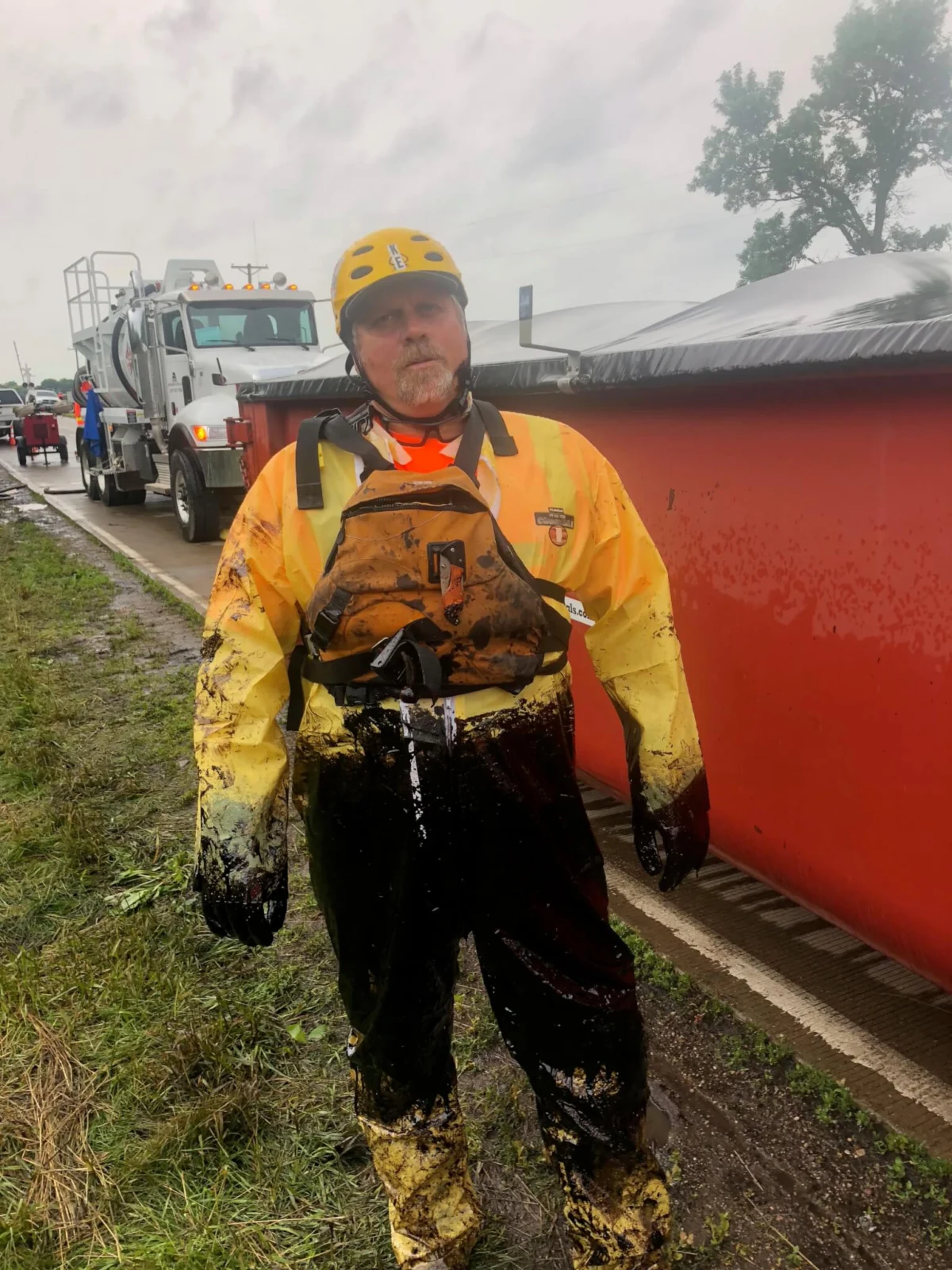
In the high-stakes environment of inland oil spill response, the difference between a controlled containment operation and a widespread environmental or health crisis often hinges on a single, frequently overlooked factor: personnel decontamination. As the oil and gas industry faces increasing pressure to refine its safety protocols in fast-moving water scenarios, experts are calling for a fundamental shift in how teams approach the "Hot," "Warm," and "Cold" zones of a spill site. Proactive, assertive, and meticulously documented decontamination is no longer an optional phase of the cleanup—it is a mandatory operational requirement.
The Operational Anatomy of Spill Response
When an oil spill occurs in an inland waterway, particularly in "fastwater" conditions, the kinetic energy of the water creates a unique set of hazards. Oil does not merely float; it is churned, atomized, and driven into the banks and substrate of the riverbed. Responders arriving at these scenes often focus immediate efforts on boom deployment and source control. However, Whitewater Rescue Institute (WRI) experts emphasize that establishing formal work zones is the primary duty of any incident commander.
A site map must be generated in the preliminary hours of the response. This map is not a mere suggestion; it is a legal and safety document that clearly delineates the Exclusion Zone (Hot Zone), the Contamination Reduction Zone (Warm Zone), and the Support Zone (Cold Zone). Without this geographic stratification, cross-contamination becomes inevitable, turning clean support areas into secondary spill zones and risking the health of the entire response workforce.
Personnel Decontamination: The Three-Stage Standard
The risks associated with crude oil—ranging from volatile organic compounds (VOCs) to heavy metals and hazardous additives—require strict adherence to personal protective equipment (PPE) standards. Responders operating in the Exclusion or Hot Zone are typically outfitted in Modified Level D or Level C gear. Transitioning from these zones into the cleaner Support or Cold zones is the most dangerous moment of the shift, as the act of removing soiled equipment can lead to inhalation or dermal exposure.
To mitigate this, every operation must implement a standardized, three-station decontamination corridor.
Station 1: The Gross Decontamination Phase
The first point of contact for any responder exiting the Hot Zone is the gross removal phase. This is not a deep clean but a critical stop to prevent the migration of raw product. Personnel must be physically scrubbed of the heaviest, visible layers of oil. This typically involves the use of specialized, non-abrasive brushes and a steady stream of water to strip the bulk of the contaminant from the outer shell of their protective suits and their boots.
Station 2: The Outer Layer Removal
Once gross contamination is removed, the responder proceeds to the second station. Here, the outer protective garment—the primary barrier against the spill—is carefully peeled away. This gear must be treated as hazardous waste and disposed of in specifically labeled, high-density polyethylene containers. Once the outer layer is shed, the responder must sanitize their underlying reusable gear, such as hard hats and safety boots, using an aqueous detergent solution. These items are then held for transport to the final stage of the process.
Station 3: Final Hygiene and Sanitization
The final station within the Contamination Reduction Zone (CRZ) is the last line of defense before a responder can safely enter the Cold Zone. Personnel are required to thoroughly wash their hands and faces. If respirators were utilized during the operation, they must be sanitized at this stage. Following sanitization, the respirators must be sealed in clean, dedicated plastic bags to prevent any lingering off-gassing or residual contamination from impacting the wearer during transit or storage.
PPE and Equipment Management: A Sustained Effort
While personnel decontamination is the priority, the cleanup of equipment and vehicles is equally vital to the integrity of the site. The standard operating procedure dictates that single-use external protective clothing should be the default choice whenever the response environment allows. By utilizing disposables, organizations eliminate the need for complex, on-site laundering facilities, which are often difficult to maintain in remote inland spill locations.
When reusable equipment is unavoidable, it must be subjected to a rigorous detergent-based rinse at the site. The rinsate—the liquid runoff containing the oil and cleaning agents—cannot be allowed to seep back into the waterway. It must be collected in sealed sumps or vacuum trucks for proper disposal in accordance with local and federal environmental regulations.
Vehicle and Heavy Machinery Protocol
Vehicles that have entered the Exclusion Zone are often the "Trojan Horses" of a spill. A truck that looks clean may have oil-saturated mud trapped in its wheel wells, which can subsequently be tracked miles away from the site. Consequently, every vehicle departing the Hot Zone must pass through a decontamination pad.
For light contamination, a thorough rinsing of tires and undercarriages may suffice. However, in scenarios involving high-viscosity crude or heavy sediment loading, steam cleaning or high-pressure washing is required. These systems provide the mechanical energy needed to emulsify the oil and lift it from the metal and rubber surfaces of the response fleet.

Chronology of a Failed Decontamination Incident
To understand why these protocols are non-negotiable, one must look at the historical data of spill responses that lacked these measures.
- Phase 1: Initial Response (Hours 0-4): Responders arrive at a fastwater site. The urgency to contain the plume overrides the time required to set up a decontamination corridor.
- Phase 2: Operational Drift (Hours 4-12): Personnel enter and exit the Hot Zone without a formal scrub. Responders walk into the Support Zone with oil-caked boots.
- Phase 3: Cross-Contamination (Hours 12-24): Support staff in the Cold Zone report headaches and respiratory irritation. Command posts are found to have oil footprints on the flooring.
- Phase 4: Site Compromise (Day 2): The entire site is effectively turned into a Hot Zone because of the failure to contain the product at the perimeter. The response effort is delayed by 48 hours to facilitate a massive, site-wide cleanup.
This chronology, while simplified, reflects the reality of many inland spills. By the time the contamination is realized, the cost of the response has tripled.
Supporting Data and the Cost of Negligence
The financial and physical cost of inadequate decontamination is staggering. According to industrial hygiene reports, the cost of treating a single case of acute chemical dermatitis or respiratory distress among a response crew far outweighs the initial investment in decontamination equipment.
Furthermore, environmental liability is a massive factor. If a response team tracks oil into a previously pristine support area or a local public roadway, the cleanup responsibility shifts from the original spill to the response agency itself. Data from previous inland spills shows that "decontamination-related leakage" accounts for nearly 15% of the total area of impact in cases where protocols were not strictly enforced.
Official Responses and Industry Standards
Regulatory bodies such as the Environmental Protection Agency (EPA) and the Occupational Safety and Health Administration (OSHA) have updated their guidelines to emphasize that "Safety is not an overlay; it is the response."
In an official briefing, the WRI stated: "Responders must be proactive and assertive about decon. This is one area of response that is often overlooked or incomplete in the early phases of a spill. The establishment of work zones must be one of the first actions, not an afterthought once the boom is in the water."
This sentiment is echoed by the Unified Command in most large-scale inland spills, where the focus has shifted toward the integration of a Decontamination Officer into the Incident Command System (ICS) structure. This individual holds the authority to halt operations if the decontamination line is compromised, ensuring that safety protocols are not just written in manuals but are practiced in the field.
Implications for Future Response Operations
The shift toward more rigorous decontamination has profound implications for how spill response will be managed in the coming decade.
- Pre-Positioning of Resources: Future response trailers will increasingly include pre-staged decontamination sumps, modular wash stations, and pressure-washing equipment. The goal is to make decontamination "turn-key."
- Training and Certification: Certification programs for fastwater spill response are now incorporating decontamination drills as a pass-fail requirement. Responders must demonstrate the ability to doff Level C gear without skin contact under high-stress conditions.
- Technological Integration: We are likely to see an increase in the use of automated vehicle wash systems at the perimeter of the CRZ, reducing the manual labor required and ensuring a consistent standard of cleaning.
- Documentation and Liability: As with all modern industrial activities, digital tracking of decontamination will become the norm. Using geofencing and mobile check-ins, commanders will soon be able to verify that every responder has successfully cleared the decontamination process before they are permitted to clock out.
Conclusion: A Culture of Safety
The mandate for professional decontamination in fastwater oil spills is a clear reflection of the industry’s evolution. We have moved past the era where a spill response could be treated as a brute-force labor exercise. Today, it is a complex, precision-driven operation that demands as much attention to the responder as it does to the environment.
When we prioritize the decontamination process, we are not just following safety rules; we are protecting the health of the personnel, preserving the integrity of the support zones, and ultimately ensuring the efficiency of the entire containment effort. The fastwater environment is unforgiving and unpredictable, but with assertive zone control and a commitment to the three-stage decontamination standard, we can ensure that the only thing left behind after a spill is a cleaner, safer waterway.
The lesson for every incident commander and field responder is simple: If you haven’t planned for the decontamination of your team, you haven’t planned for the response. Professionalism in the field is defined by the discipline maintained at the boundary of the Hot Zone. By upholding these standards, the industry can continue to improve its response efficacy while safeguarding its most valuable asset: the people on the front lines.