For many whitewater enthusiasts, the search for the "perfect" kayak is an endless journey. However, few vessels have managed to bridge the gap between aggressive freestyle performance and reliable river-running capability quite like the Wavesport Project X. As a staple in the paddling community, the Project X has served as the foundational platform for countless paddlers transitioning from intermediate to advanced skill levels. This retrospective examines why this iconic design remains a benchmark in the industry, despite the rapid evolution of modern kayak technology.
Core Specifications and Design Philosophy
The Project X is a quintessential playboat, engineered for paddlers who prioritize agility and engagement with river features. Wavesport released the series in three distinct sizes to accommodate a wide range of body types and skill levels: the 48 (small), 56 (medium), and 64 (large).
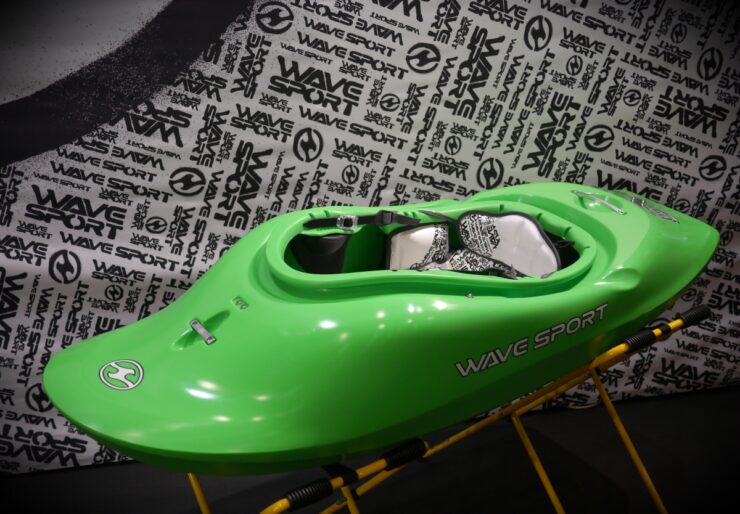
The medium-sized iteration, perhaps the most popular in the series, measures 5’11” in length and weighs in at a manageable 32 pounds. With a volume of 56 gallons, it is optimized for a supported weight range of 100 to 260 pounds. What sets the Project X apart from its contemporaries is its adjustable outfitting system. By providing a snug, customizable fit, the boat effectively acts as an extension of the paddler’s body, allowing for the precise transfer of energy from the core to the hull.
A Chronology of Development: From Concept to Cult Classic
The rise of the Project X coincided with a golden era of freestyle kayaking, where the sport was moving away from long, boat-like hulls toward shorter, more reactive platforms.
The Formative Years
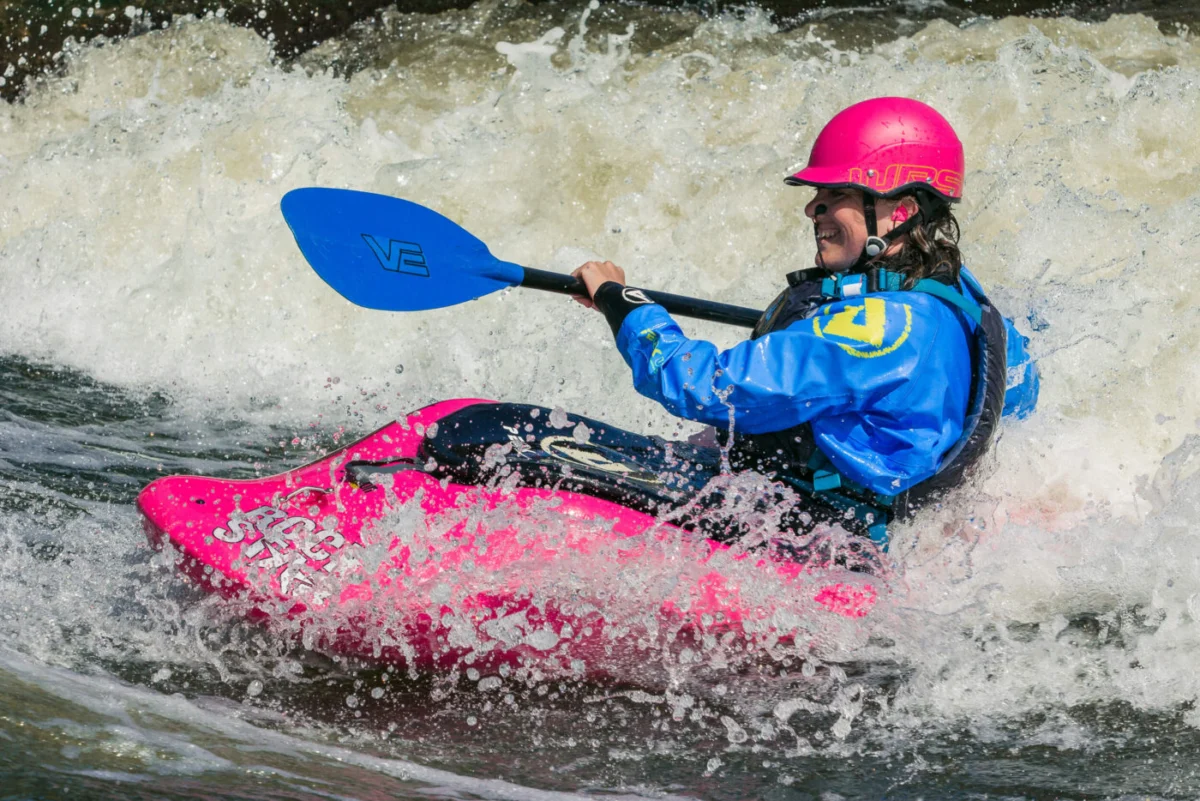
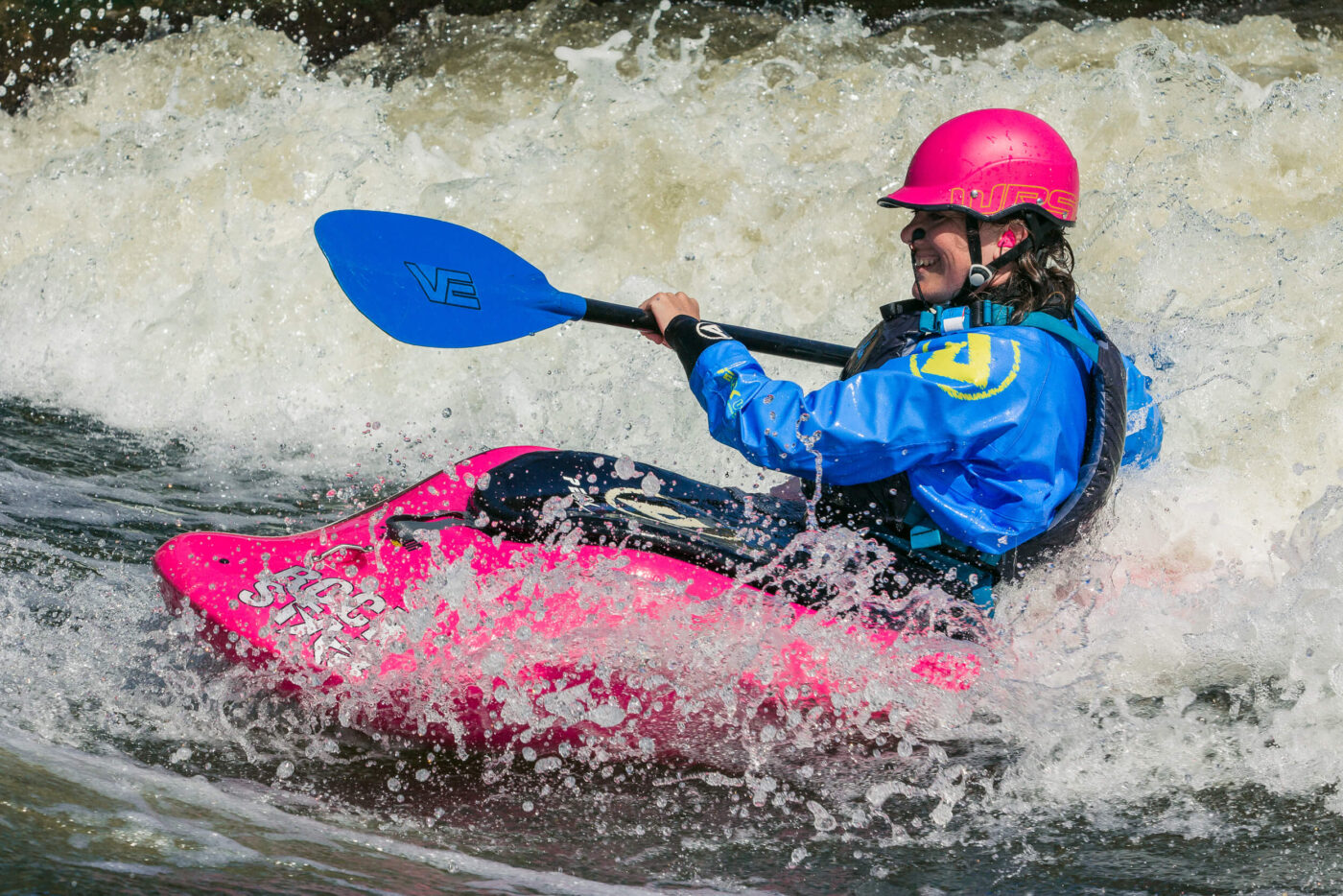
In the early days of the Project X, the market was flooded with boats that sacrificed tracking for pure "loose" play. Wavesport took a different approach. By refining the rocker profile and edge geometry, they created a boat that could carve on a wave like a slalom racer while maintaining the volume necessary for vertical moves. For the author, who utilized the Project X as a foundational learning tool, the boat offered a steep learning curve that paid dividends in skill acquisition.
The Evolution of Skill
As the paddler’s confidence grew, so did the boat’s capabilities. During the transition from calm water to class IV rapids, the Project X proved that a playboat did not have to be a liability on the river. By the time the paddler was navigating the pushy whitewater of the Ottawa River or the varied terrain of the Upper Petawawa, the Project X had already established itself as a reliable partner. Its ability to "pop" on a wave made every feature an opportunity for progression, while its ability to track through turbulent water allowed for safe, controlled navigation in high-stakes environments.
Supporting Data: Why Geometry Matters
The primary differentiator for the Project X is its unique balance between stability and rowdiness. In the physics of kayak design, stability and playfulness are often at odds. A stable boat is typically wider and flatter, which can feel "dead" on the water, while a playful, loose boat is often unstable and difficult for beginners to manage.
The Project X achieves a rare equilibrium. Its hull design ensures that the boat remains predictable when moving through eddylines or carving across a wave face. When compared to modern, more specialized playboats that require constant, high-energy input just to stay upright, the Project X provides a sense of security. It does not "pamper" the user; instead, it demands engagement, forcing the paddler to develop the core balance and edge control necessary to become a proficient whitewater athlete.
Official Industry Perspective and User Experience
While Wavesport’s marketing has focused on the boat’s freestyle pedigree, the "real-world" testing by paddlers like Adelaide Gentry highlights its unexpected versatility.
The "Tight Fit" Advantage
The outfitting is widely cited as the boat’s strongest feature. By minimizing internal movement, the boat becomes hyper-responsive. However, this level of precision comes with the caveat of needing a careful setup. The ability to fine-tune thigh braces and seat position is not just for comfort; it is a mechanical necessity for anyone looking to execute advanced maneuvers like cartwheels, loops, or clean spins.
Suggested Enhancements
Despite its glowing reputation, no boat is without its flaws. Feedback from long-term users points to three primary areas for improvement:
- Material Longevity: The surface layer of the outfitting foam is prone to peeling after extensive use. While this does not compromise the structural integrity of the boat, it does require periodic maintenance or replacement.
- Weight Reduction: At 32 pounds, the Project X is competitive, but modern thermoforming and advanced plastic molding processes have allowed newer boats to shave off additional weight, which reduces fatigue during long days on the water.
- Hydration Integration: In an era where long-distance river running is as common as playing, the lack of a dedicated bottle holster is a noted inconvenience. Forcing a water bottle into the stern not only compromises the boat’s balance but can also interfere with the deployment of safety gear.
Implications for Modern Paddlers
Is the Project X still a viable choice for the contemporary kayaker? The answer is a resounding yes, particularly for those looking to develop their skills without breaking the bank on the latest "pro-model" hull.
The Value of Used Equipment
Because of the durability of the polyethylene construction, a used Project X often performs as well as one fresh off the assembly line. For a beginner or intermediate paddler, investing in a used, high-performance hull like the Project X provides better value than buying a low-end, entry-level boat. The "tough as nails" reputation of the model ensures that it can withstand the rigors of rocky creeks and harsh riverbeds for years.
Building Core Competencies
The implications of learning in a boat like the Project X are significant. Because it provides immediate feedback—punishing poor technique and rewarding good form—it acts as a fast-track for skill development. It avoids the "cushy" experience of a creek boat, which can mask poor habits. Instead, it forces the paddler to focus on boat angle, weight distribution, and the nuance of current management.
A Legacy of Confidence
The Wavesport Project X remains a testament to the idea that a well-designed kayak is more than just a piece of plastic; it is an instrument of personal growth. Whether you are surfing a rodeo hole, running a class IV section, or simply carving your way down a local wave, the Project X delivers an exhilarating experience that feels as relevant today as it did at its launch.

For those concerned about the "age" of the design, it is important to remember that the physics of water and the mechanics of a good carve have not changed. The Project X possesses a "soul"—a responsiveness and a sense of energy—that many newer, more clinically designed boats fail to replicate.
As we look at the landscape of modern paddling, the Project X serves as a reminder that the most important factor in a great day on the river isn’t the year your boat was molded, but how well you and your boat work together. If you find one in good condition, hold onto it. It is not just a kayak; it is a legacy piece that will continue to challenge, reward, and excite you for years to come. In the world of whitewater, where trends come and go with the seasonal melt, the Project X stands firm—a reliable, high-performance, and deeply loved classic.