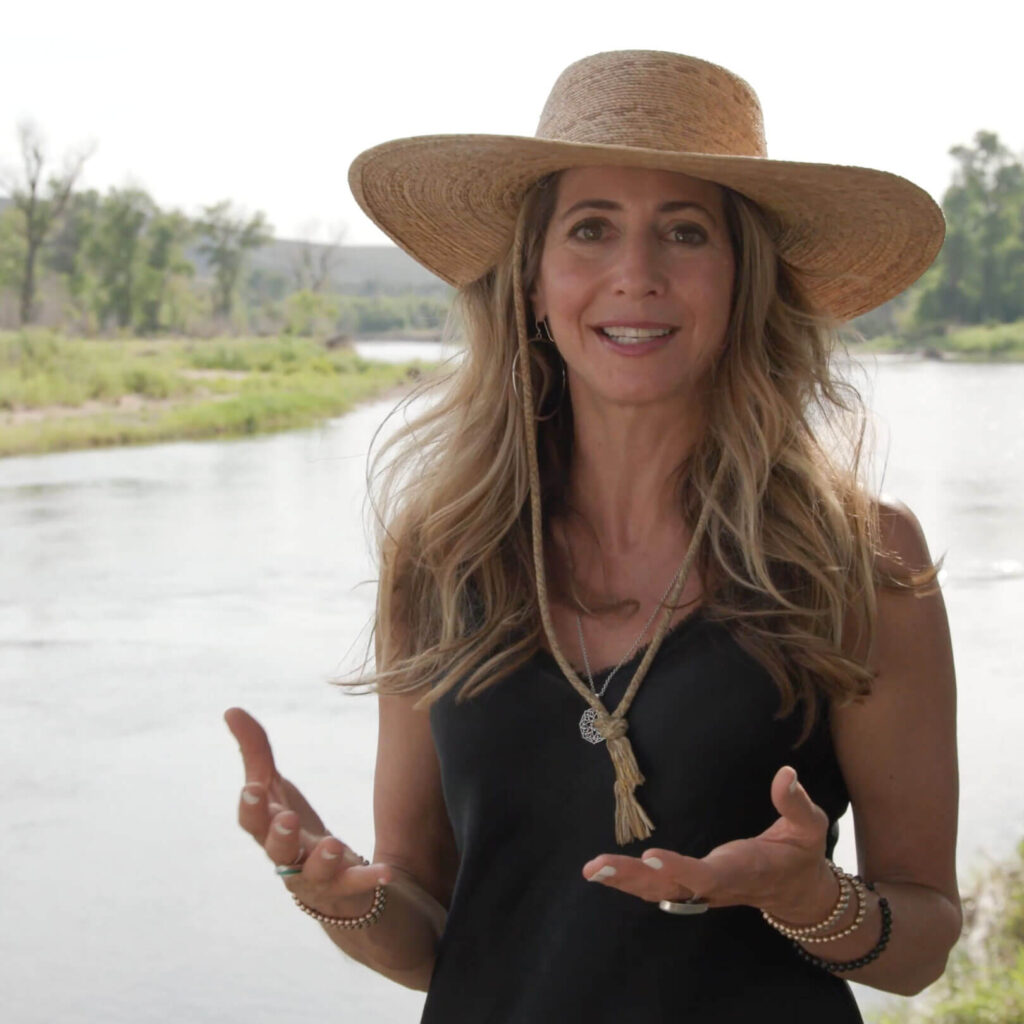
In an era defined by rapid environmental shifts and increasing disconnect from the natural world, few figures embody the intersection of advocacy, science, and storytelling as effectively as Tillie Walton. A hydrologist, professional river guide, and conservationist, Walton has spent her career translating the complex language of watersheds into a call to action. As the host of the acclaimed PBS series Wild Rivers with Tillie, she has transitioned from the solitary life of a river rat to the front lines of public media, using the medium to bridge the gap between policy, science, and the human soul.
The Genesis of a River Advocate: A Life Defined by Flow
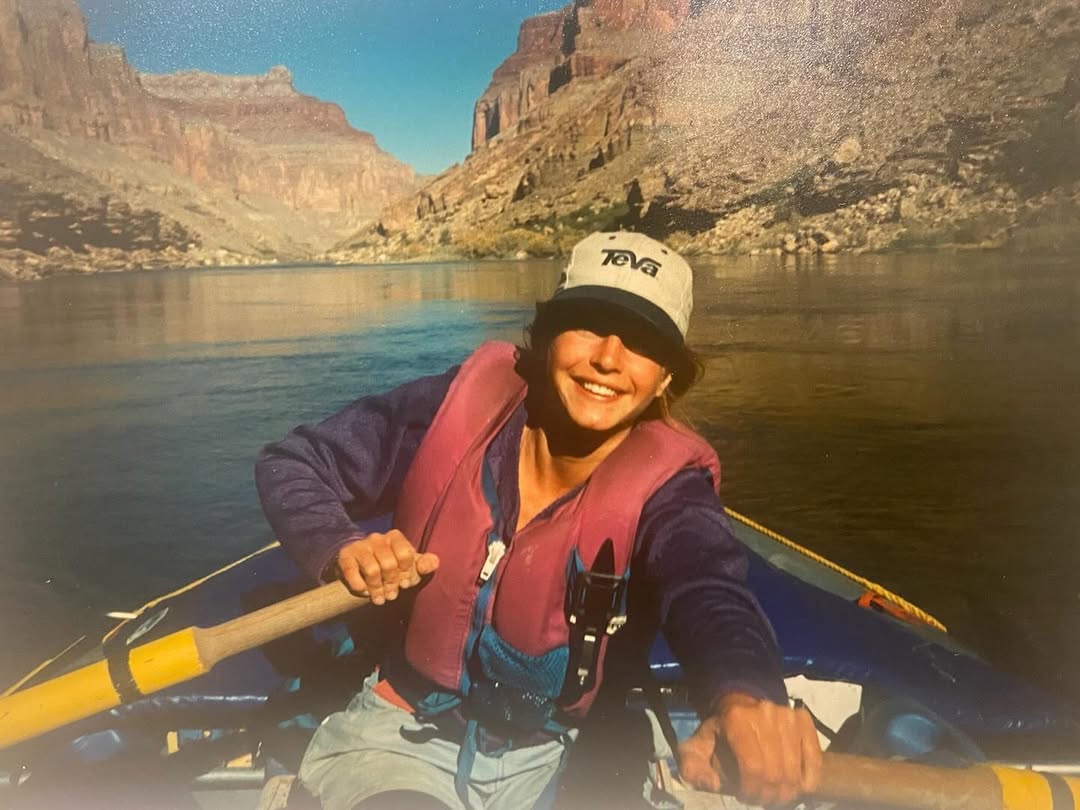
Tillie Walton’s commitment to river conservation is not merely a professional pursuit; it is a life’s vocation born from a singular, transformative moment. While many conservationists cite academic research as their starting point, Walton’s journey began on the Rio Grande during a high school trip to Big Bend National Park.
Reflecting on those three weeks, Walton describes an experience that shifted her perspective from that of an inner-city teenager to a steward of the landscape. "I was terrified," she admits, recalling the ‘tippy’ canoes and the daunting scale of the Santa Elena Canyon. The turning point came when her instructor commanded her to put down her paddle, lie back, and simply exist within the landscape. As she drifted between towering canyon walls, watching the sky pass above, the "click" occurred. It was a realization that the river was not just a geographic feature, but a living entity that demanded protection. That moment of vulnerability—surrendering to the current—became the foundational ethos of her work as both a scientist and a filmmaker.
The Mechanics of Wild Rivers with Tillie: An Unscripted Odyssey
Season one of Wild Rivers with Tillie took audiences on a journey through some of the West’s most iconic, yet embattled, waterways, including the Rogue, the Colorado, the Yampa, and the Snake. The production is notable not only for its breathtaking cinematography but for its refusal to follow a standard script.
Walton describes the filming process as a chaotic, high-stakes, and deeply authentic endeavor. Operating with a lean, mobile crew—often consisting only of producer Dan Duncan and a sound technician—the team navigates the same logistical hazards as any backcountry expedition. "The worst part is cold river trips, disgusting hotel rooms, and all the driving," Walton notes, highlighting the gritty reality behind the polished PBS facade.
Yet, this lack of artifice is the show’s greatest strength. By capturing unscripted interactions with a diverse tapestry of Americans—from Native American tribal leaders to conservative ranchers and river-running enthusiasts—the show demonstrates a surprising consensus: despite divergent political identities, there is a universal human connection to the land. This "middle ground" is where Walton believes the most effective conservation work occurs.
Supporting Data: The Fragility of Our Freshwater Jewels
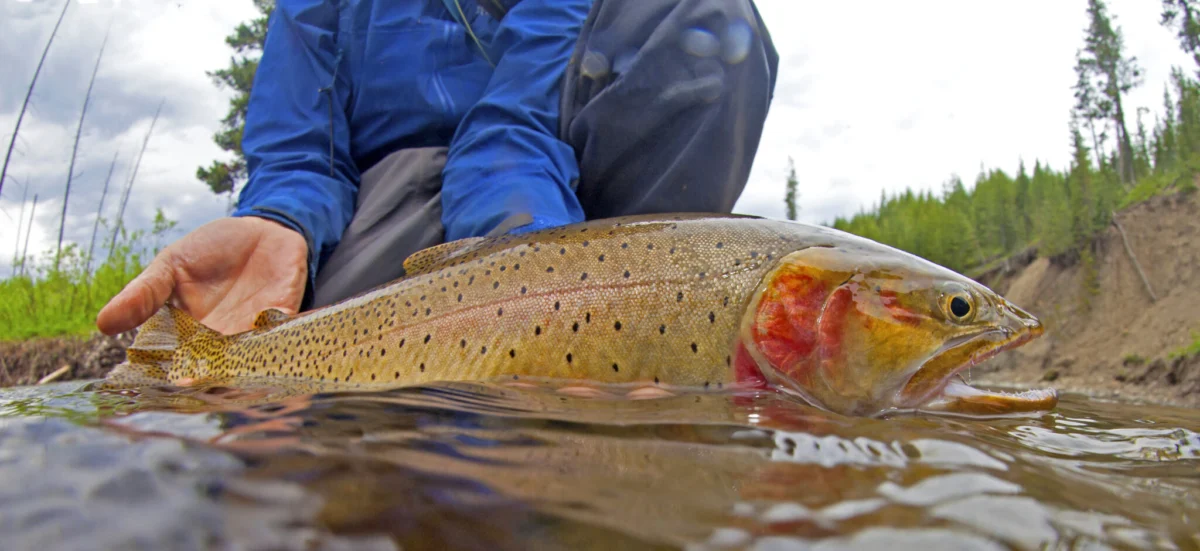
To understand the urgency of Walton’s mission, one must look at the hydrological data. Rivers account for less than 1% of the Earth’s total water supply, yet they are the arteries that sustain the majority of terrestrial life and human civilization.
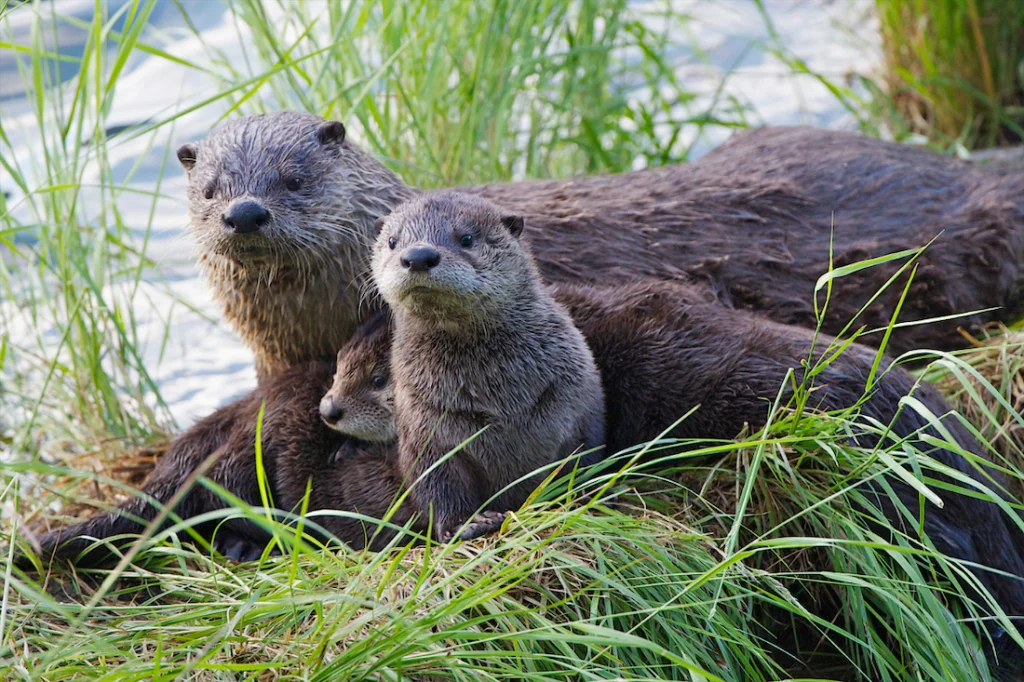
- The Biodiversity Crisis: Freshwater ecosystems are the most threatened on the planet, with species extinction rates in rivers and lakes outpacing those in terrestrial or marine environments.
- Climate Stress: Drought conditions, particularly in the American West, are testing the limits of water management systems. Walton’s work specifically addresses the intersection of climate change, water rights, and the physical degradation of riverbeds.
- The Infrastructure Challenge: As Walton notes, the threat to places like Big Bend—where proposed border infrastructure poses a risk to the fragile riparian corridor of the Rio Grande—is a microcosm of the global struggle to balance border policy with environmental integrity.
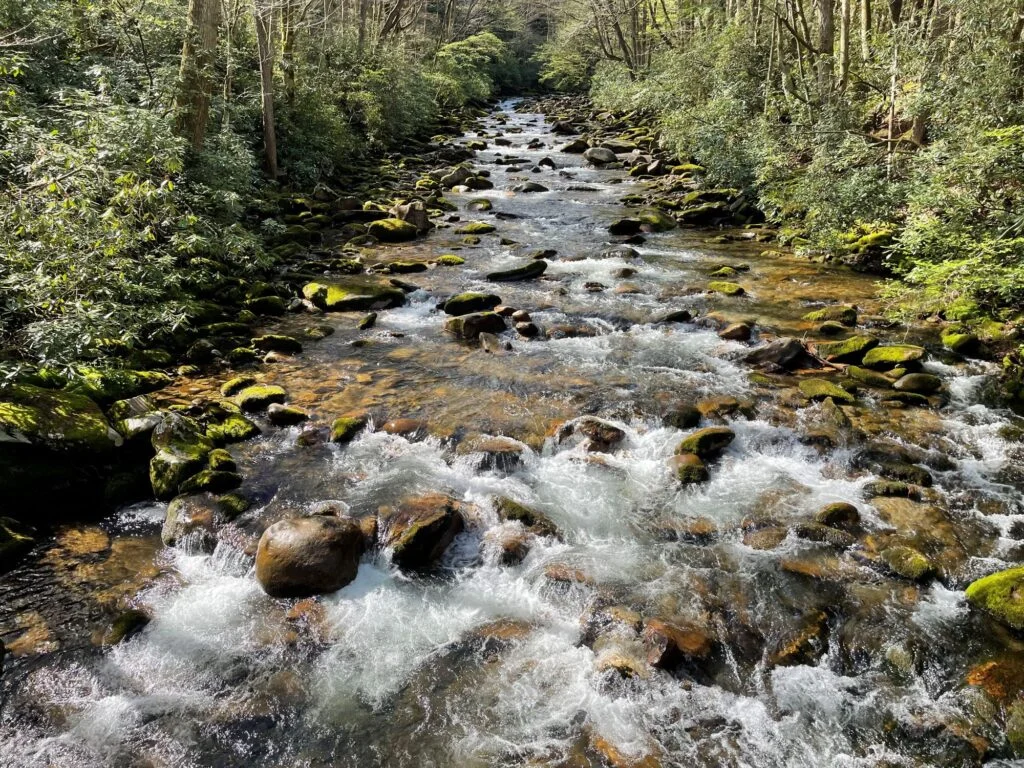
Walton’s work serves as a reminder that rivers are not just resources to be managed; they are the "jewels" of the planet. Her analogy of rivers as "glistening diamond necklaces" decorating the earth is not just poetic—it is a plea for the valuation of these systems as rare, non-renewable assets.
Official Responses and the Policy Gap
Walton’s advocacy style relies on radical transparency and experiential learning. She is a vocal critic of the disconnect between those who formulate policy and the physical realities of the rivers they govern.
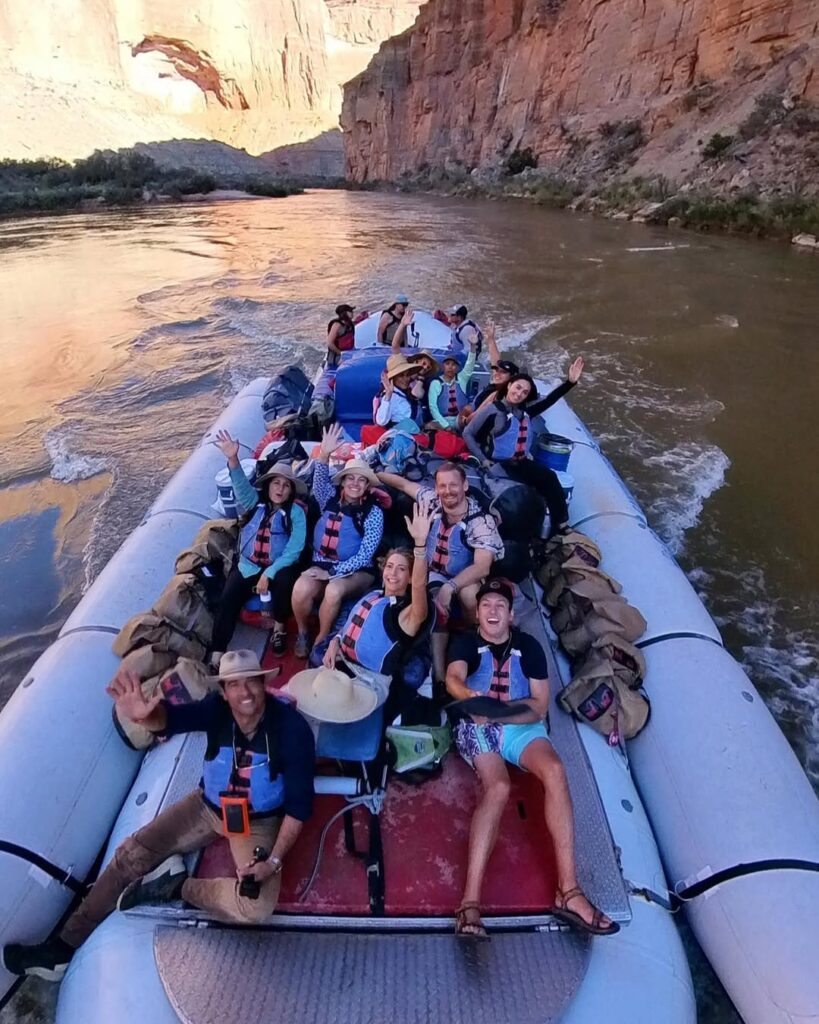
Her "open invitation" to policymakers is a core pillar of her strategy: "Let me take you down the river and let the river speak for itself." She argues that it is difficult to prioritize short-term industrial or political gains when one is physically immersed in the majesty of a wild canyon. While she recognizes the complexity of water rights, particularly in the arid Southwest, she asserts that the current political discourse is too abstracted from the source. By bringing decision-makers into the environment, she aims to shift the "cost-benefit" analysis from spreadsheet metrics to ecological and social value.
Implications: The Future of Conservation
What does the future hold for river advocacy? For Walton, it is a multi-pronged approach that combines high-tech immersion with high-touch advocacy. The team behind Wild Rivers with Tillie has already begun experimenting with immersive digital experiences—such as their interactive Grand Canyon journey—to bring the river experience to those who may never set foot on a boat.
However, the implications of her work extend beyond public awareness. By highlighting the human stories attached to these waterways, Walton is effectively building a coalition of "River Citizens." The goal is to move the public from a state of passive appreciation to active stewardship.
Her current focus remains fixed on the Rio Grande, an area she describes as a "treasure" under siege. The fight against the border wall in Big Bend is not just a protest against concrete; it is a fight for the integrity of an international, cross-cultural ecosystem. It represents the ultimate test of whether our society can recognize the value of an untamed landscape over the convenience of a static boundary.
Conclusion: A Call to Stewardship
As Tillie Walton continues to travel the country, her message remains strikingly consistent: "Get out there and just spend some time by water." She believes that if everyone could understand the role rivers play in sustaining life—not just biologically, but emotionally—the debate over conservation would shift from "if" to "how."
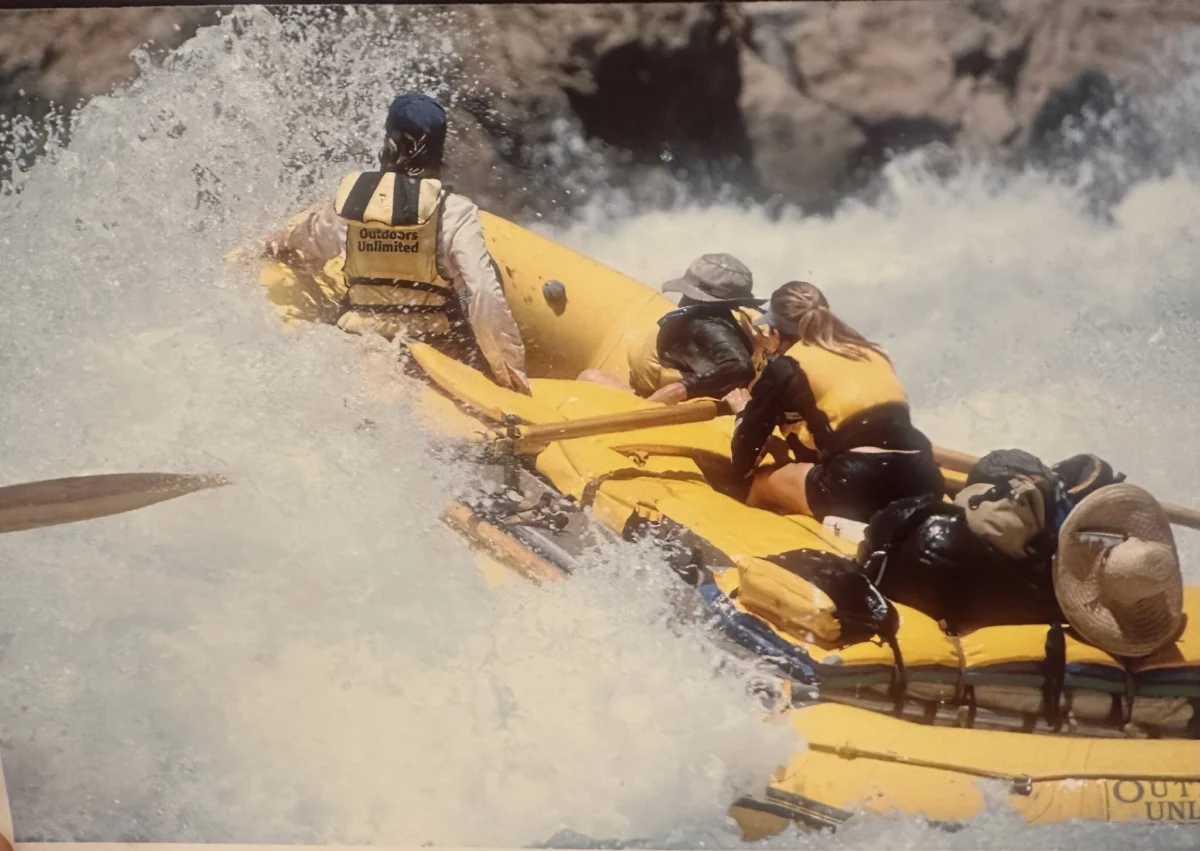
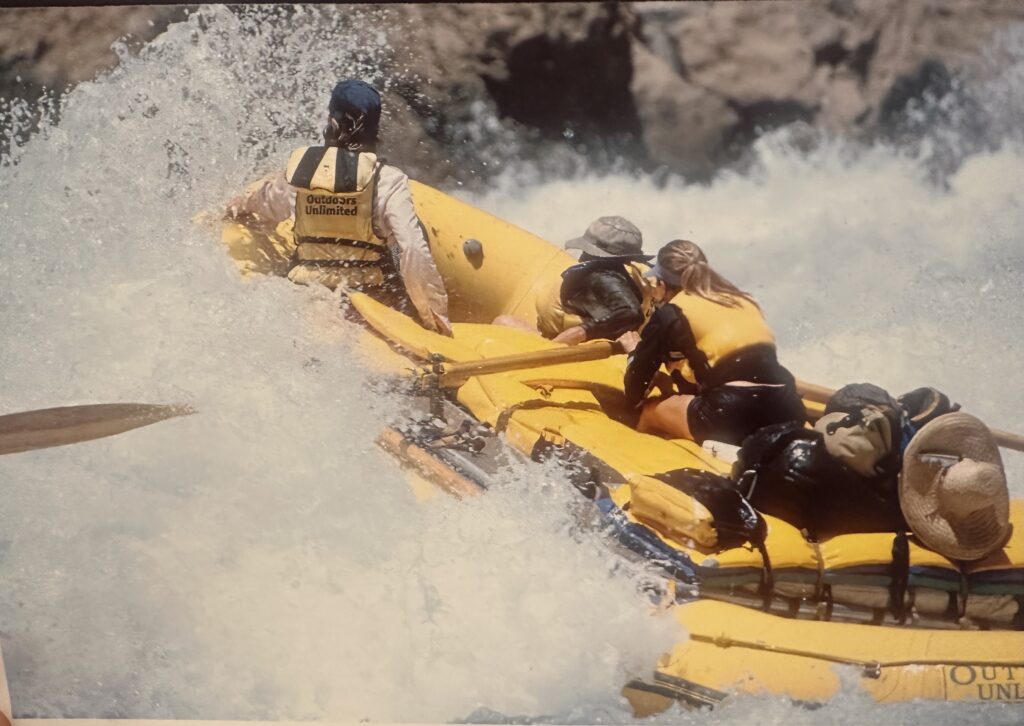
The work of Tillie Walton serves as a vital blueprint for the modern conservationist. It proves that science needs storytelling to survive, and that advocacy requires a sense of place. Whether she is navigating the technical complexities of hydrologic data or the physical challenges of a rapid in the Grand Canyon, Walton reminds us that our fates are inextricably linked to the flow of the rivers.
As we look toward the next season of Wild Rivers with Tillie and the continued expansion of her conservation efforts, we are left with a simple, yet profound realization: these rivers are our legacy. How we treat them today will determine the health of the planet for generations to come. Walton isn’t just hosting a television show; she is facilitating a national conversation about the value of life itself. And like a river, that conversation is one that never stops moving.