By Donna Myers | July 2, 2026
For the residents of North Carolina’s Cape Fear River Basin, the struggle for clean, safe drinking water is not a distant policy debate—it is a daily reality. The region, which encompasses a vital, ecologically diverse watershed, has spent years at the epicenter of the nation’s battle against per- and polyfluoroalkyl substances (PFAS). Often referred to as "forever chemicals" due to their persistent nature in the environment and the human body, these compounds have long clouded the future of the river.
However, a new wave of uncertainty has washed over these communities. On May 18, 2026, the Environmental Protection Agency (EPA) announced two proposed rules that threaten to roll back significant progress made in recent years. By proposing the rescission of specific PFAS protections and delaying the implementation of critical drinking water standards, the federal government has reignited a firestorm of local, state, and national concern.
The Chronology of Contamination and Regulation
To understand the current crisis, one must look at the timeline of the PFAS crisis in North Carolina.
- The Early Awareness (2017): The presence of GenX and other PFAS compounds in the Cape Fear River was brought into the national spotlight, revealing that industrial discharges from facilities—most notably the Chemours plant in Fayetteville—had been contaminating the water supply for downstream communities for years.
- The Regulatory Milestone (May 2024): After years of intense advocacy, scientific documentation, and public pressure, the EPA finalized the nation’s first-ever enforceable drinking water standards for several PFAS chemicals. This was heralded as a monumental victory for public health, forcing utilities to begin the expensive and complex process of upgrading treatment infrastructure.
- The Pivot (May 2026): Two years after that landmark ruling, the landscape shifted. The EPA announced its intent to roll back protections for specific PFAS compounds and proposed an extension for the compliance deadline for the PFOA and PFOS standards established in 2024.
- The Present (July 2026): Communities that had finally seen a path toward water security are now facing a regulatory reversal, forcing them back into a state of anxiety and legislative limbo.
Understanding the "Forever" Threat
PFAS are a vast group of synthetic chemicals used in a wide array of consumer products, from non-stick cookware and water-repellent clothing to firefighting foams and food packaging. Their chemical structure, characterized by a series of carbon-fluorine bonds, makes them virtually indestructible in natural environments.
When these chemicals enter a river system through industrial discharge or wastewater runoff, they do not break down. Instead, they accumulate. Exposure to even trace concentrations has been linked by the scientific community to a host of adverse health outcomes, including thyroid disease, liver damage, developmental impacts on infants, and various forms of cancer.
The importance of drinking water standards cannot be overstated. Beyond simply setting a "safe" limit, these regulations act as a critical lever for accountability. When federal standards exist, industries are incentivized to implement "source control"—the practice of stopping pollution at the factory gate rather than relying on downstream municipalities to filter out the toxins. Source control is not only more effective; it is the most affordable way to safeguard public health over the long term.
The Impact on the Cape Fear River Basin
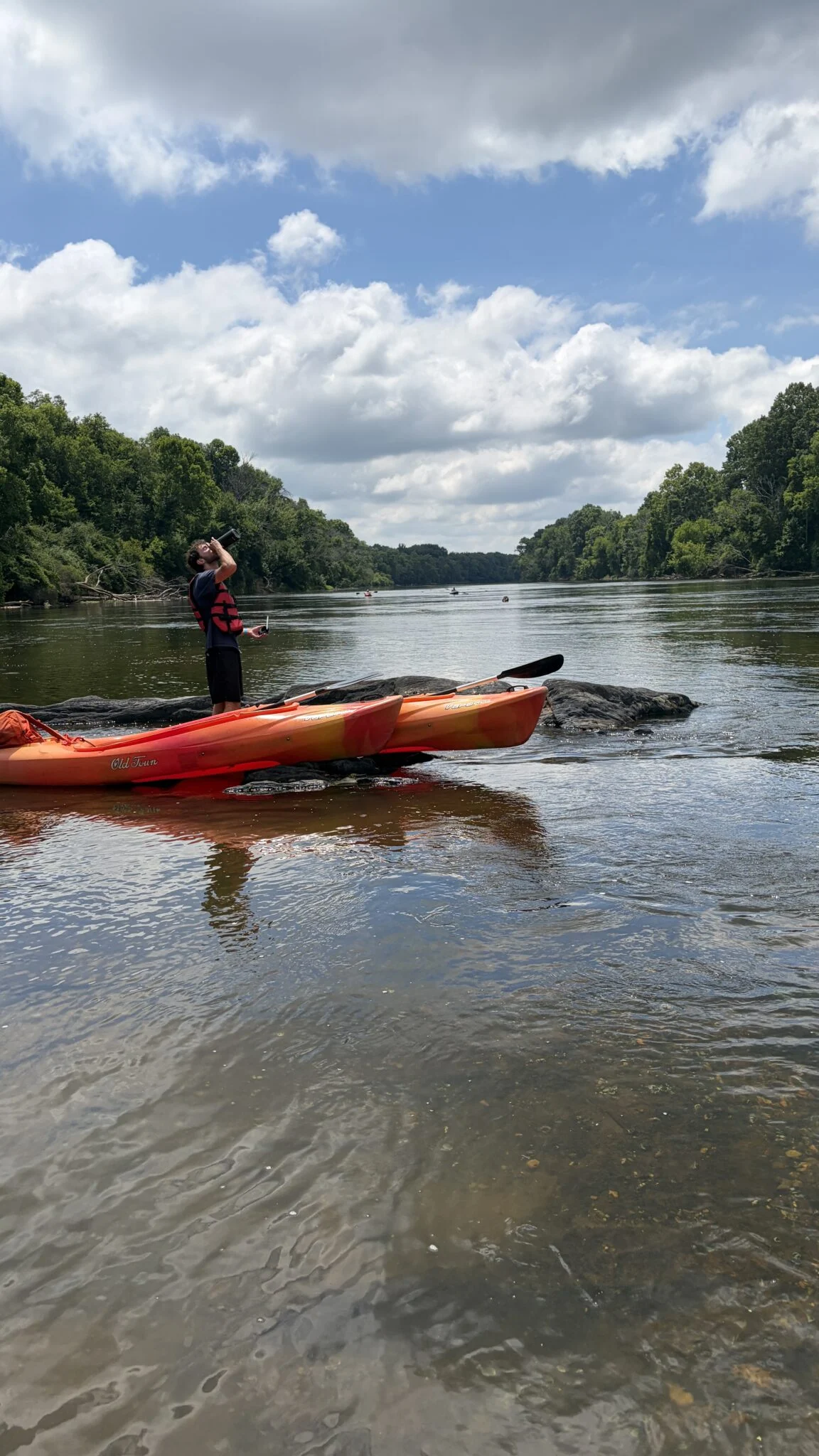
The Cape Fear River is more than just a source of drinking water; it is a complex, interconnected ecosystem that defines the identity and economy of North Carolina. The basin provides the foundation for unique wildlife, thriving recreational industries, and the agricultural vitality of the region.

The proposed EPA rollbacks threaten to destabilize this delicate balance. When federal oversight weakens, the burden of proof and the cost of remediation shift disproportionately to local taxpayers and small-town utility providers. For communities downstream of the Chemours facility, the recent news feels like a betrayal of the progress made through years of persistent activism.
Local organizations have been the backbone of this fight. Groups such as Clean Cape Fear, Cape Fear River Watch, the Haw River Assembly, and Sustainable Sandhills have been instrumental in bridging the gap between scientific data and public awareness. By documenting the contamination, pushing for corporate accountability, and supporting affected families, these groups have transformed a regional environmental issue into a national model for community-led advocacy.
Official Responses and Political Implications
The EPA’s proposed rules have drawn sharp criticism from environmental scientists and public health advocates. Critics argue that the move to delay compliance—citing technical and financial hurdles—prioritizes corporate convenience over human health.
"We are seeing a retreat from a promise made to the American people," says an advocate representing local watershed interests. "The 2024 standards were the result of hard-won scientific consensus. To roll them back now, when the science regarding the toxicity of these chemicals has only become more clear, is a step in the wrong direction."
Conversely, some industry stakeholders have argued that the original timeline for compliance was overly ambitious, pointing to the logistical difficulties of upgrading municipal water treatment plants with advanced filtration technologies like granulated activated carbon or reverse osmosis. They argue that a "phased" approach is more pragmatic. However, for those living in the Cape Fear basin, the "pragmatic" delay translates to years of continued exposure to toxic substances.
Broader Implications for National Water Policy
The struggle in North Carolina is a microcosm of a much larger national crisis. Thousands of water systems across the United States are currently grappling with PFAS contamination. If the federal government successfully rolls back these standards, it sets a dangerous precedent, potentially signaling to industries that environmental regulation is fluid and subject to the shifting winds of political, rather than scientific, pressure.
Furthermore, the situation highlights the critical need for modernized water infrastructure. Many of the systems currently failing to filter out PFAS were designed decades ago, long before the chemical threats of the 21st century were fully understood.
A Path Forward: Legislative Solutions
While the current regulatory news is disheartening, advocates are not standing idle. There is a concerted push to leverage federal legislation to bypass the volatility of administrative rules.

Central to this effort is the Healthy H2O Act (H.R. 4721 / S. 2436). This bipartisan legislation represents a crucial lifeline for rural homeowners and small communities. If passed, the act would provide essential funding and resources for water quality testing and, more importantly, for the installation of treatment systems for those who rely on private wells.
The core philosophy of this legislative push is simple: Prevention is superior to treatment.
To protect our rivers, we must:
- Strengthen Source Control: Hold industrial polluters accountable for the chemicals they release into wastewater systems.
- Invest in Infrastructure: Provide federal grants to help municipalities modernize their water treatment facilities to remove legacy contaminants.
- Support Scientific Research: Continue to fund the study of emerging PFAS compounds to ensure regulations evolve alongside our understanding of the chemistry.
- Empower Local Advocacy: Recognize that communities know their water best and ensure they have a seat at the table when environmental policies are drafted.
Conclusion: The Fight for the Future
The Cape Fear River Basin serves as a bellwether for the rest of the nation. As we look toward the remainder of 2026, the question is not just about the chemistry of PFAS, but about the integrity of our environmental safeguards.
The battle for clean water is rarely won in a single stroke. It requires the sustained, coordinated effort of scientists, lawmakers, and, most importantly, the citizens who depend on these rivers for their lives and livelihoods. The proposed rollbacks are a challenge, but they have also served to galvanize a new generation of advocates determined to ensure that the water in the Cape Fear—and across the nation—remains a source of life rather than a source of "forever" risk.
As the EPA’s public comment periods proceed and legislative debates continue in Washington, the message from the residents of North Carolina remains clear: The health of our families and the resilience of our rivers are not negotiable. The path forward must be paved with accountability, transparency, and an unwavering commitment to the basic human right to clean, safe water.