For the experienced mountaineer, the symptoms are all too familiar: a throbbing headache, a wave of nausea, the sudden, bone-deep fatigue that turns a scenic trek into a survival slog. For most, the immediate assumption is Acute Mountain Sickness (AMS). But in the complex ecosystem of high-altitude travel, the truth is rarely singular.
A recent self-reported case study involving a veteran guide provides a sobering look at how the lines between altitude illness, nutritional deficiency, and physical overexertion blur. By analyzing a high-elevation trek in the Colorado backcountry, we can dissect the "perfect storm" of physiological stressors that frequently lead to medical incidents in the wilderness.
Main Facts: The Anatomy of a Breakdown
The subject—a veteran guide with over 30 years of experience—found himself incapacitated at 11,500 feet in the northern Colorado wilderness. Despite living at 7,600 feet in Estes Park and maintaining a high baseline of acclimatization, the subject developed symptoms meeting the criteria for moderate AMS, scoring a 7 on the 2018 Lake Louise Scoring System.
The symptoms were comprehensive: headache, nausea, fatigue, mild dizziness, chills, shakiness, anxiety, and severe temperature dysregulation. While these are textbook markers for altitude sickness, a retrospective data analysis revealed a far more nuanced reality. The episode was not merely a reaction to thin air; it was a compound failure triggered by a severe energy deficit, electrolyte and fluid mismanagement, and a pre-existing sleep debt. This case challenges the traditional "altitude-only" diagnosis and suggests that many wilderness medical incidents are systemic, rather than environmental.
Chronology: A Day of Compounding Errors
The timeline of the incident illustrates the insidious nature of physiological decline in the backcountry.
05:30 – Departure: The subject departed Estes Park. Already, a latent variable was in play: pre-existing sleep debt. In the high-stakes environment of mountain travel, sleep quality is often the first casualty, weakening the body’s resilience before the first step is even taken.
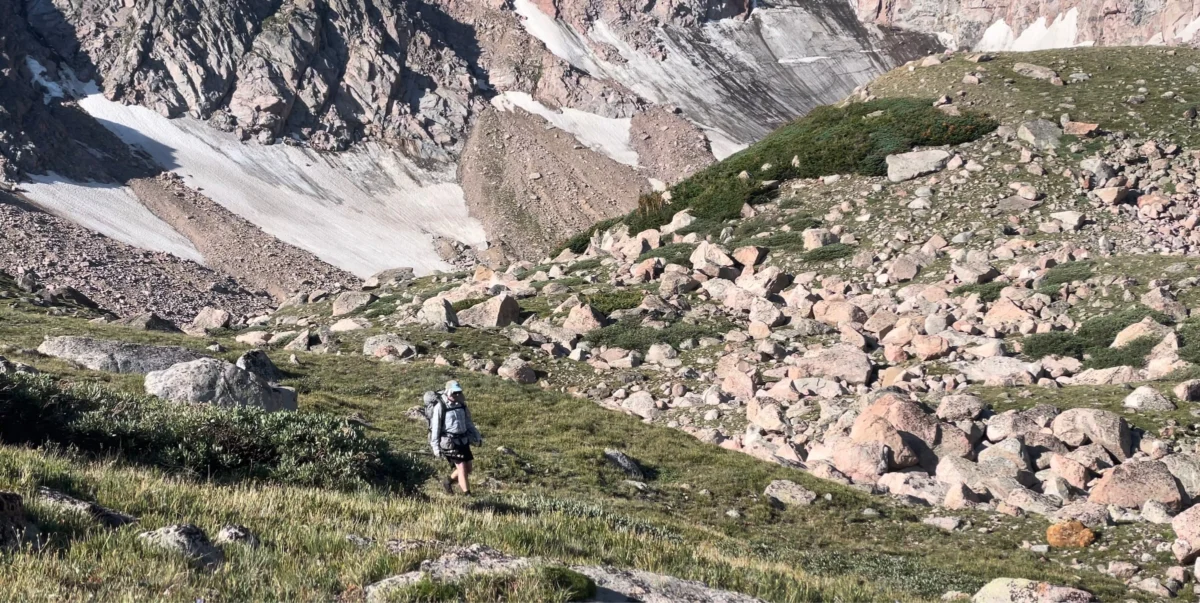
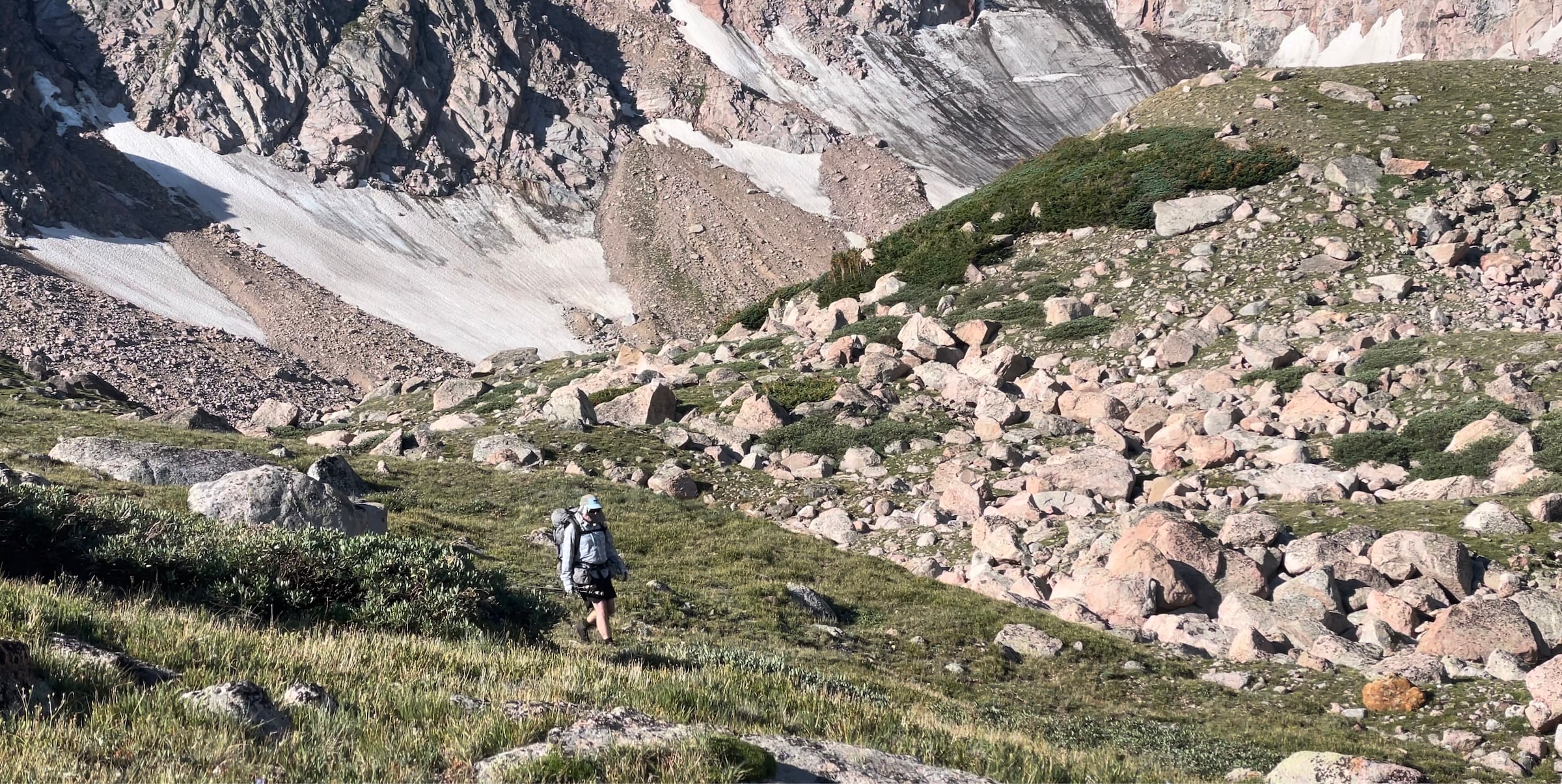
08:11 – The Trailhead: At an elevation of 8,600 feet, the hike commenced. The objective was ambitious: a 13-mile trek through rugged, off-trail alpine terrain. The load-out was substantial—a 48-pound pack (plus water), totaling 52 pounds. For a 165-pound hiker, this represented a load equivalent to 32% of total body weight, placing significant mechanical stress on the cardiovascular and musculoskeletal systems.
08:11 to 18:24 – The Approach: Throughout the 10-hour push, the subject climbed 3,800 vertical feet. During this window, the metabolic cost of travel was high, yet caloric intake remained suboptimal.
18:24 – Arrival at High Camp: Upon reaching the 11,500-foot destination, the rapid shift in elevation—a 3,900-foot net increase from home—began to manifest. Within hours, the symptoms hit. The transition from an active, high-output state to the stationary, low-temperature environment of a mountain camp acted as a catalyst. As the body’s metabolic furnace slowed, the symptoms of carbohydrate depletion and hydration failure converged with the physiological stress of the altitude.
Supporting Data: Wearable Technology as a Diagnostic Tool
Modern wearable technology offers a window into the body that subjective feeling cannot provide. By analyzing Garmin telemetry alongside a detailed reconstruction of caloric intake, a clearer picture emerges of the subject’s internal state.
Carbohydrate Depletion and Energy Deficit
The data indicated a massive energy gap. The exertion required to navigate dense, off-trail forest with a heavy pack burned calories at an unsustainable rate. Without sufficient carbohydrate replacement, the body began to rely on suboptimal energy pathways. This depletion manifests as the "shakiness" and "chills" reported by the subject—symptoms often mistaken for hypothermia or altitude sickness, but which are, in fact, signs of systemic hypoglycemia and metabolic exhaustion.
Fluid and Electrolyte Dynamics
Inadequate hydration further exacerbated the issue. At high altitudes, the air is significantly drier, leading to increased respiratory water loss. When combined with the high-output workload of the approach, the subject entered a state of dehydration that thickened the blood and increased the cardiovascular burden. This, in turn, hindered the body’s ability to transport oxygen efficiently, effectively worsening the physiological experience of altitude exposure.
The "Silent" Factor: Sleep Debt
The most overlooked variable in this case study was the baseline sleep debt. Recovery is not merely a state of rest; it is the physiological window during which the body repairs cellular damage and recalibrates hormonal responses to stress. By starting the hike with a compromised recovery state, the subject’s ability to buffer the environmental stressors of altitude and physical labor was significantly reduced.
Official Perspectives: The Difficulty of Differential Diagnosis
In wilderness medicine, the challenge lies in the overlap of symptoms. Experts in high-altitude physiology emphasize that "altitude sickness" is often a label of convenience.
"When a hiker presents with nausea and a headache at 11,000 feet, our first instinct is AMS," notes one expert in backcountry physiology. "However, if you subtract the altitude, you’re still left with someone who is dehydrated, malnourished, and sleep-deprived. It is remarkably difficult to parse out how much of the sickness is caused by the partial pressure of oxygen and how much is caused by the sheer physical tax of the day."
This case study serves as a pedagogical tool for mountain guides and SAR (Search and Rescue) personnel. It highlights the importance of the "four pillars" of wilderness resilience: nutrition, hydration, recovery, and acclimatization. When one of these pillars fails, the others must compensate. When all four are stressed simultaneously, the threshold for a medical emergency is lowered drastically.
Implications: Rethinking the High-Altitude Approach
The implications of this study are twofold: they speak to the individual hiker and the broader guiding industry.
For the Individual Hiker
The primary takeaway is that acclimatization is not just about elevation; it is about metabolic and physical readiness. The subject’s failure was not due to a lack of fitness or experience, but to a failure of preparation regarding the interaction of these factors. Hikers should be encouraged to treat their energy stores as a critical safety resource, equal in importance to their navigation tools or first-aid kits.
For the Guiding Industry
For those leading clients, this case serves as a warning against the "macho" culture of high-output, low-recovery trips. The data suggests that even seasoned professionals are not immune to the cumulative effects of minor oversights.
- Energy Management: Guides must mandate caloric intake schedules, ensuring that "bonking" is prevented rather than treated.
- Hydration Monitoring: Beyond just drinking water, electrolyte balance is crucial, especially when physical labor is high.
- The Pre-Trip Audit: Assessing a client’s sleep quality and nutritional status in the 48 hours leading up to a high-altitude trip is as important as checking their crampons or map.
In conclusion, the case of the 11,500-foot trek demonstrates that the mountains do not punish single mistakes as often as they punish the synergy of small ones. The subject survived, and the symptoms abated with rest, but the experience serves as a powerful reminder: in the thin air, every calorie, every milliliter of water, and every hour of sleep is a brick in the wall of your own resilience. When that wall is built thin, the altitude will always find a way through.