In the heart of the Catskill Mountains, the century-old Lake Jefferson Dam stands as a crumbling monument to a bygone era. For those who live in its shadow, the structure is not a piece of history, but a source of persistent, low-grade anxiety. Built in 1926, the dam was once a centerpiece for local recreation and, later, a micro-hydropower experiment in the 1980s. Today, it is an obsolete relic, its spillway scarred by past floods and its concrete core exposed to the elements. It serves no functional purpose, yet it holds back the potential for a catastrophic flood that could threaten nearly a hundred downstream homes.
The Lake Jefferson Dam is not an anomaly. Across the United States, thousands of dams are teetering on the edge of failure, creating an infrastructure crisis that remains largely hidden in plain sight. As the nation grapples with climate change and aging civil engineering, the choice facing communities is becoming stark: maintain these structures at an exorbitant cost, or drain them and return the rivers to their natural state.
The Anatomy of an Infrastructure Failure
The primary drivers of the current dam safety crisis are twofold: the sheer age of the nation’s infrastructure and the increasing severity of meteorological events. Many of the dams currently dotting the American landscape were constructed in the early to mid-20th century. While these structures were designed to withstand the climate patterns of the 1920s or 1950s, they are woefully ill-equipped for the modern era.
Climate change is fueling more intense precipitation events, resulting in floods that exceed the design capacity of historic spillways. When a dam’s spillway cannot safely pass the volume of water generated by a modern storm, the pressure mounts on the dam wall. Over time, this leads to structural fatigue, seepage, and, ultimately, the risk of breach.
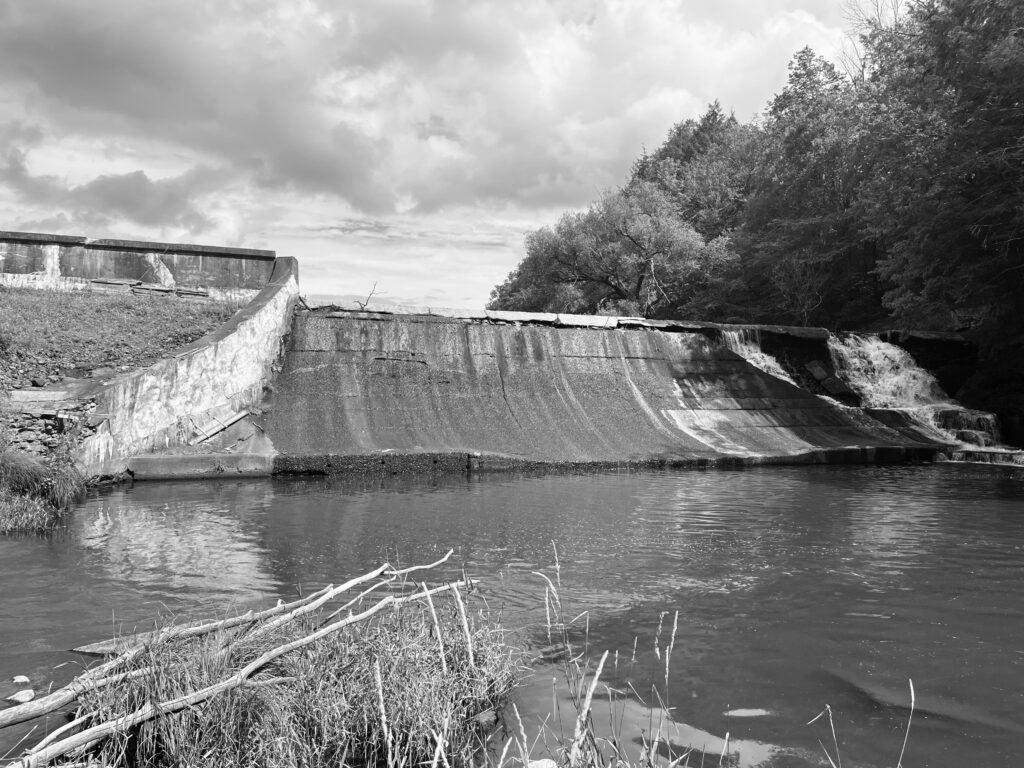
In the case of Lake Jefferson, the spillway is fundamentally undersized. Decades of neglect have allowed sediment to build up behind the barrier, effectively turning the impoundment into a shallow, stagnant basin that offers no flood control. Instead, it acts as a potential projectile, waiting for the right storm to send a wall of water into the unsuspecting community below.
Chronology of a Growing Threat
The escalation of this crisis can be traced through the rising frequency of emergency incidents reported by the Association of State Dam Safety Officials (ASDSO).
- 1920s–1950s: The "Dam Building Era." Thousands of small, private, and municipal dams were constructed for agriculture, recreation, and local power generation without modern regulatory oversight.
- 1980s: Many of these structures began to reach the end of their design life. Some were repurposed for micro-hydropower, but maintenance was often deferred as the economics of these small projects faltered.
- Early 2000s: The first warnings of a national crisis emerged as data showed an uptick in "near-miss" incidents.
- The Last Two Decades: The frequency of dam failures or emergency interventions has surged, climbing from an average of three incidents per year to more than 70 annually. This dramatic rise serves as a clear indicator that the cumulative stress on our river infrastructure has reached a tipping point.
The "Drowning Machines": The Danger of Low-Head Dams
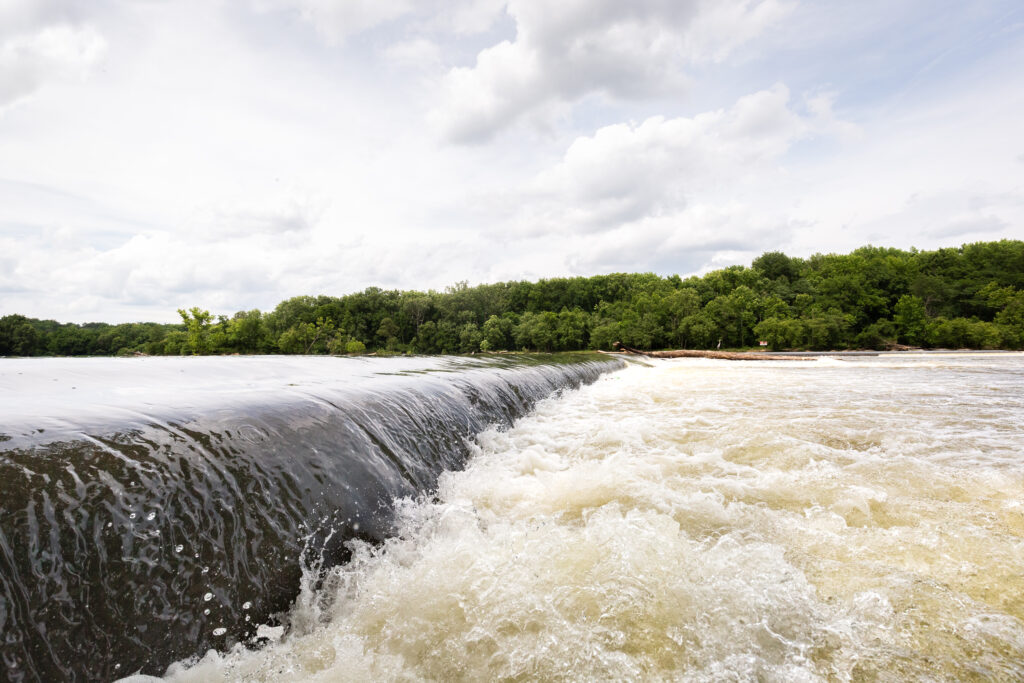
While massive, high-profile dams capture the most headlines, a different, more localized danger lurks in our shallower waterways. "Low-head dams"—typically less than 15 feet tall—are designed to allow water to flow continuously over their crest. This seemingly benign design creates a powerful, recirculating hydraulic current at the base of the structure.
Experts call these "drowning machines." The recirculating water creates a cycle that can trap swimmers, kayakers, and even professional rescuers, holding them underwater indefinitely. Despite being linked to at least 780 recorded deaths in the United States, these structures often fall outside the purview of state dam safety regulations. Because they are often considered "unproductive," they are frequently abandoned by their original owners, leaving the public to contend with a lethal trap that serves no legitimate purpose.
Supporting Data: A System Under Strain
The data provided by the National Inventory of Dams (NID) paints a sobering picture. The United States is home to tens of thousands of dams, yet the regulatory bodies tasked with overseeing them are profoundly under-resourced.
- Regulatory Gaps: State dam safety offices are responsible for regulating more than 70% of the dams in the NID. However, many of these offices operate with skeleton crews and limited budgets, forcing them to prioritize only the most high-risk structures. This leaves thousands of medium- and low-hazard dams effectively unchecked for years.
- The Cost of Inaction: The cost of bringing aging infrastructure up to modern safety standards is astronomical. For the owners of small, private dams, these costs are often prohibitive, leading to a cycle of abandonment and deferred maintenance.
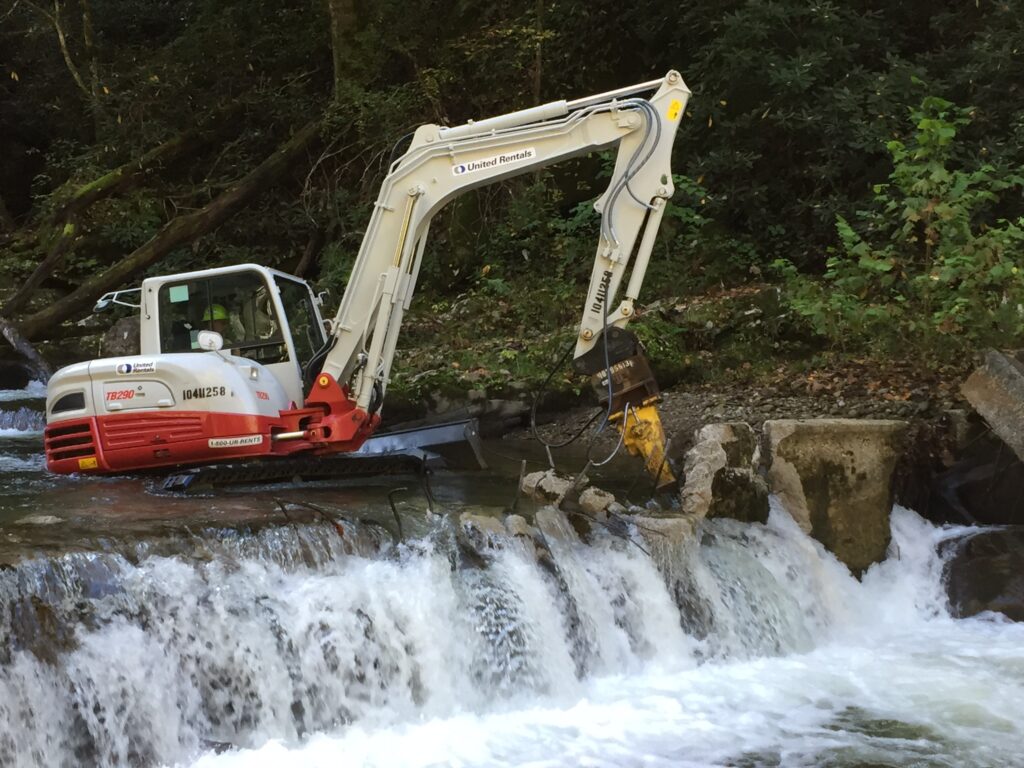
- Successful Mitigation: Despite the grim outlook, progress is being made. Over 2,300 dams have been successfully removed across the country in the last two decades. This movement is shifting from a fringe environmental strategy to a recognized standard of "infrastructure lifecycle management."
Official Responses and the Push for Reform
The federal government and state legislatures are slowly beginning to acknowledge that we cannot simply patch our way out of this crisis. The mantra among modern dam safety engineers, popularized by experts like Charles Karpowicz, is simple: "Maintain ’em or Drain ’em."
Advocacy groups like American Rivers are leading the charge in lobbying Congress for dedicated funding for water infrastructure. Their proposal is twofold: first, to provide federal grants that assist dam owners in performing critical repairs; and second, to incentivize the removal of obsolete structures.
The economic argument for removal is compelling. Removing a dam eliminates the long-term liability for the owner, removes the risk of a catastrophic breach, and restores the natural hydrology of the river. Research from institutions like Utah State University has demonstrated that river systems freed from the constraints of dams are significantly more resilient to climate-induced floods, as they can more effectively dissipate the energy of high-water events.
Implications for the Future
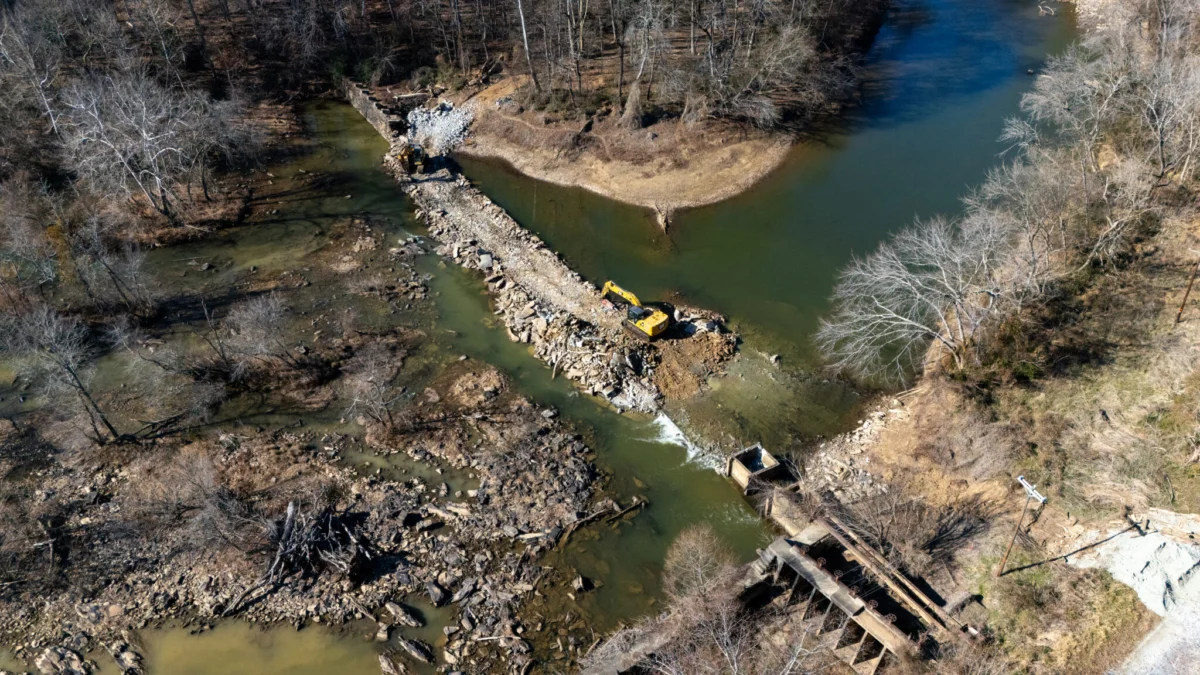
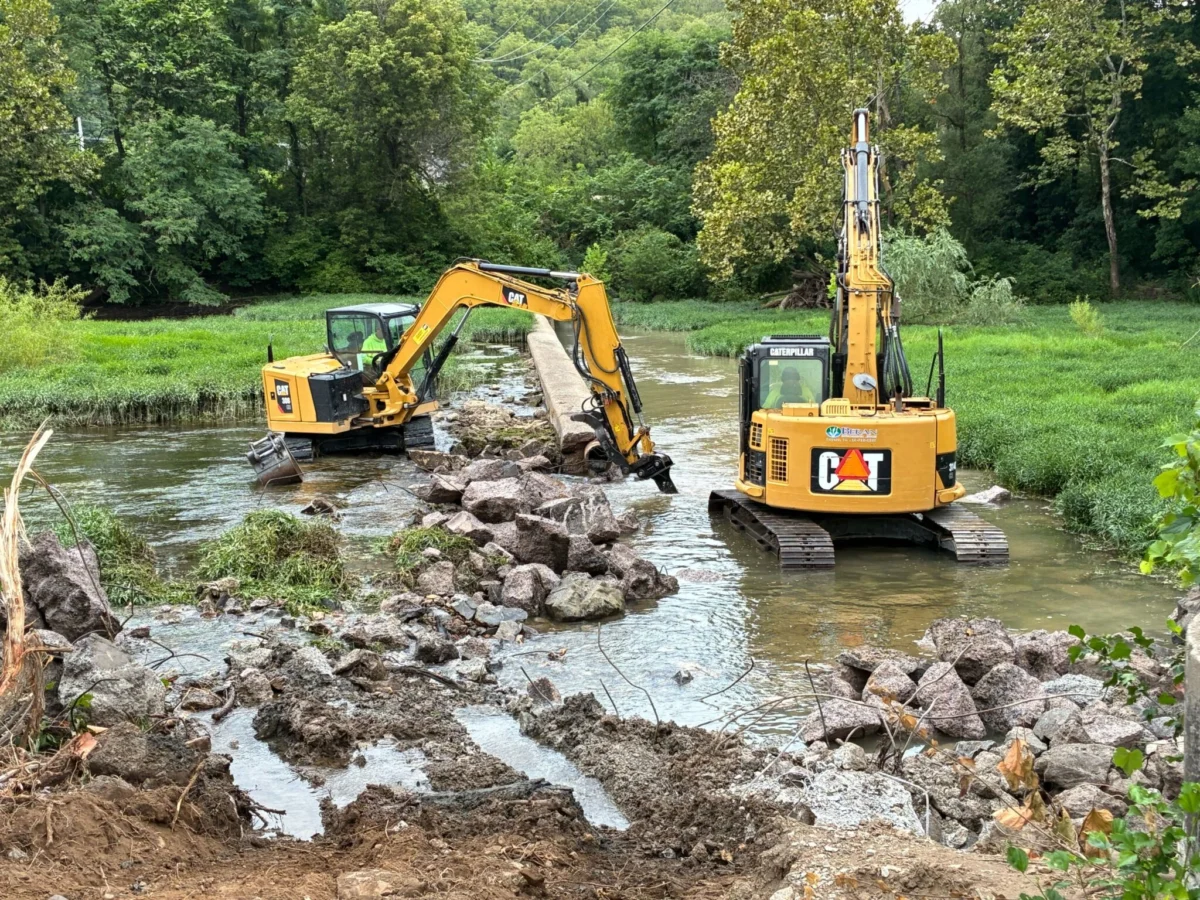
The situation at Lake Jefferson is currently in a state of transition. After decades of decay, the owners are now working with technical partners to finalize the removal of the structure. It is a slow, methodical process that requires environmental impact assessments, engineering studies, and significant community engagement. However, for those living downstream, the project offers the promise of a future where the river flows freely and the fear of a midnight flood is a memory.
As we approach National Dam Safety Awareness Day on May 31, the implications of our collective inertia are clear. We are currently relying on luck to prevent more frequent, large-scale disasters. Every dam that is allowed to continue crumbling in place is an unpaid debt to the future.
The path forward requires a shift in how we view these structures. A dam is not a permanent fixture of the landscape; it is a mechanical tool that has a limited lifespan. When that lifespan ends, we must be prepared to dismantle it. By prioritizing the removal of obsolete and dangerous dams, we can reduce the risk to our communities, improve the health of our watersheds, and stop the cycle of neglect that has left so much of our infrastructure in jeopardy.
The "infrastructure crisis" in our rivers is not a matter of mystery—it is a matter of resolve. We have the data, we have the engineering expertise, and we have the success stories. What remains is the political and financial commitment to ensure that when the next big storm hits, our communities are prepared, our rivers are resilient, and our dams are no longer silent threats.