As July 2026 draws to a close, the European continent is preparing for a meteorological event of unprecedented intensity. A colossal, long-lasting heatwave—the fourth of the current season—is currently surging northward from the Saharan desert, fueled by a textbook atmospheric "Omega block." This phenomenon has locked a stagnant, high-pressure "Heat Dome" over Western and Central Europe and the Mediterranean, setting the stage for what climate scientists warn could be record-shattering temperatures that persist well into the first half of August.
The Meteorological Engine: Anatomy of a Heat Dome
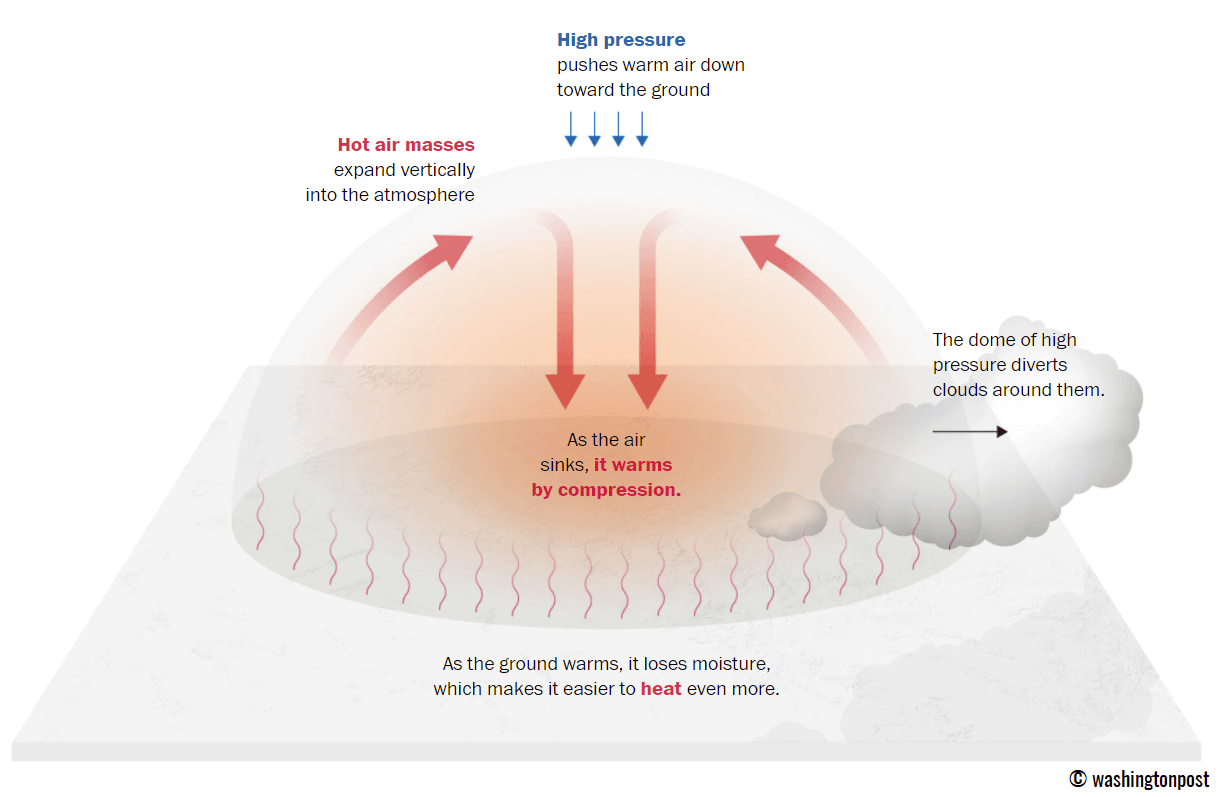
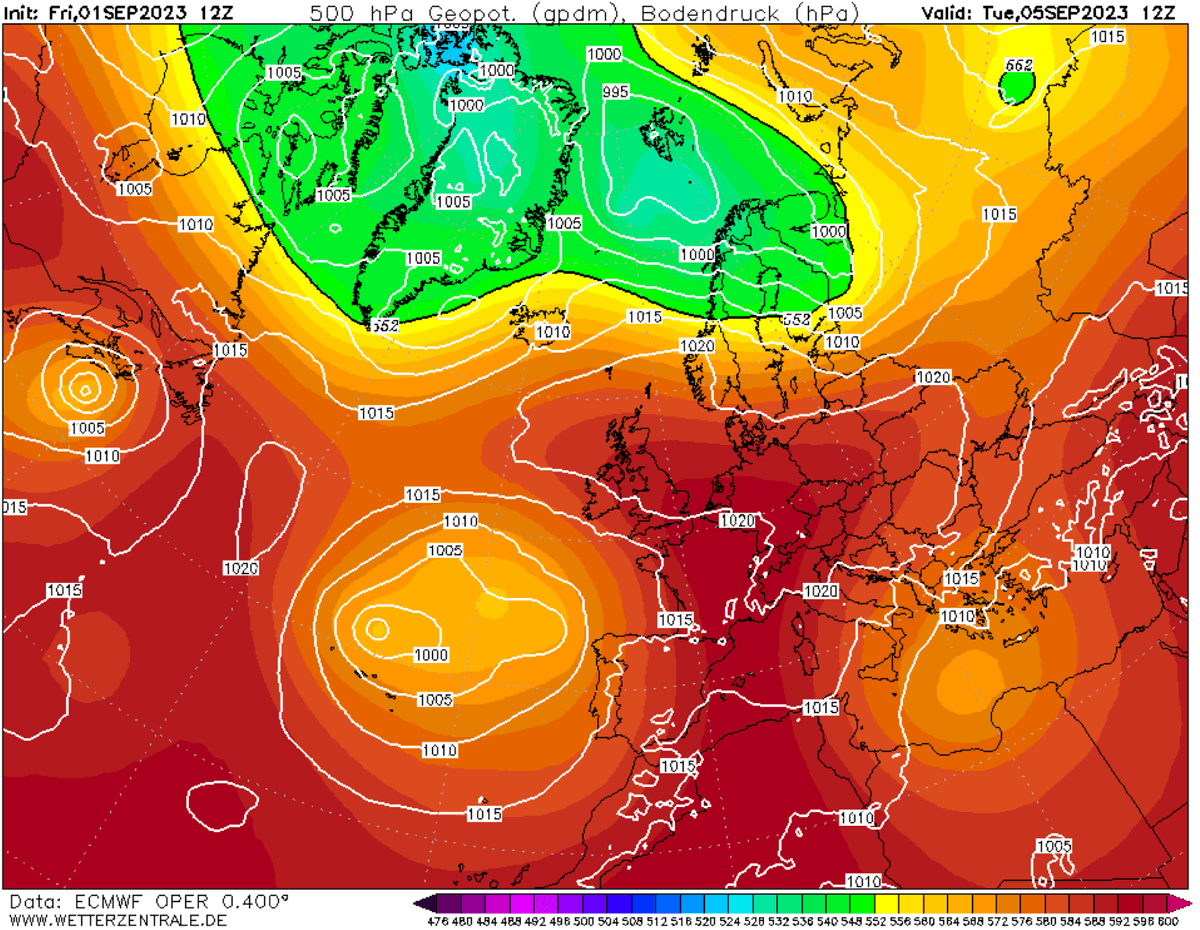
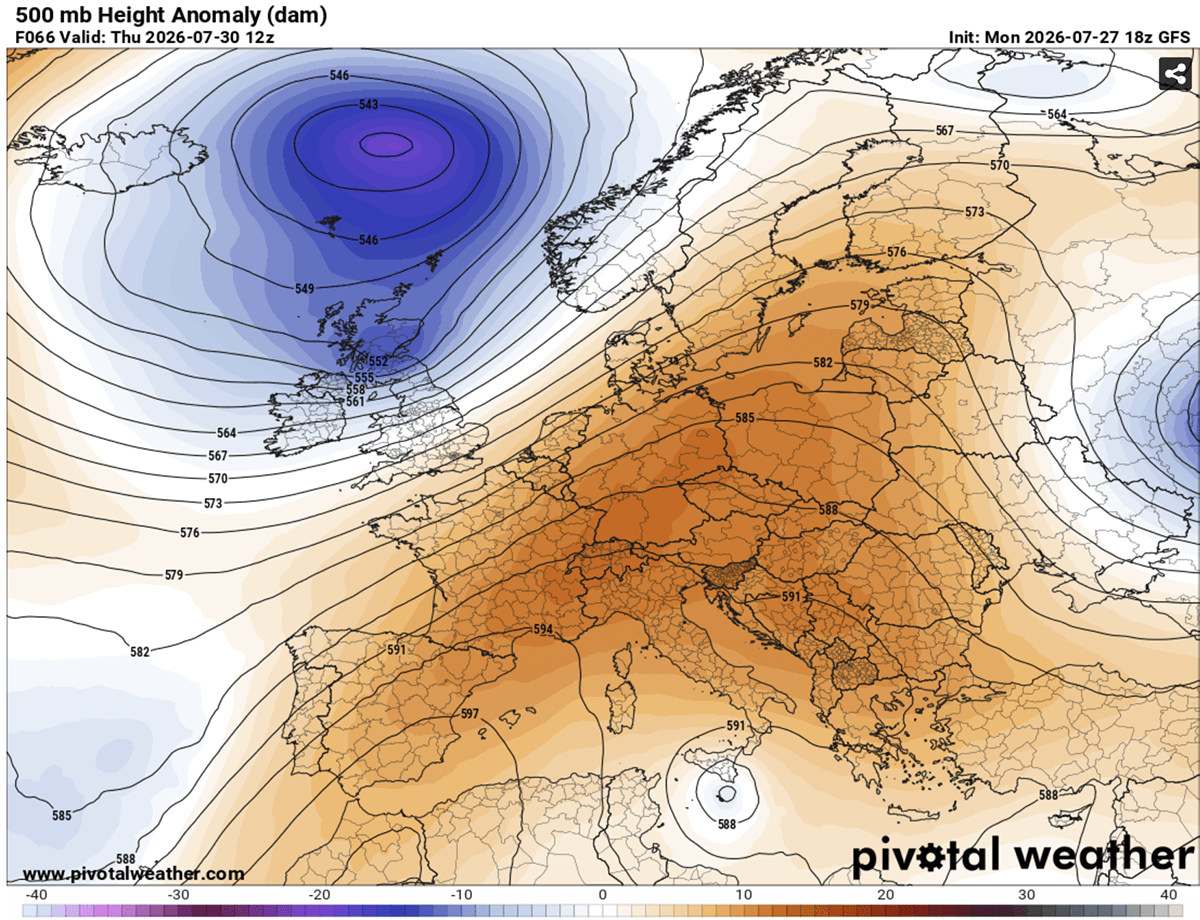
The driving force behind this stifling weather pattern is a high-pressure ridge—a dome of hot, sinking air that acts like a lid on a pot. As the air descends, it compresses and warms, trapping heat near the surface and preventing cooler maritime air from entering the region. This particular event is being described as an "Omega block" due to the shape the jet stream takes on weather maps, resembling the Greek letter Ω. The dome is flanked by two deep low-pressure systems, one over the North Atlantic and the other over Russia, which effectively pin the heat in place, ensuring the conditions remain stagnant for days or even weeks.

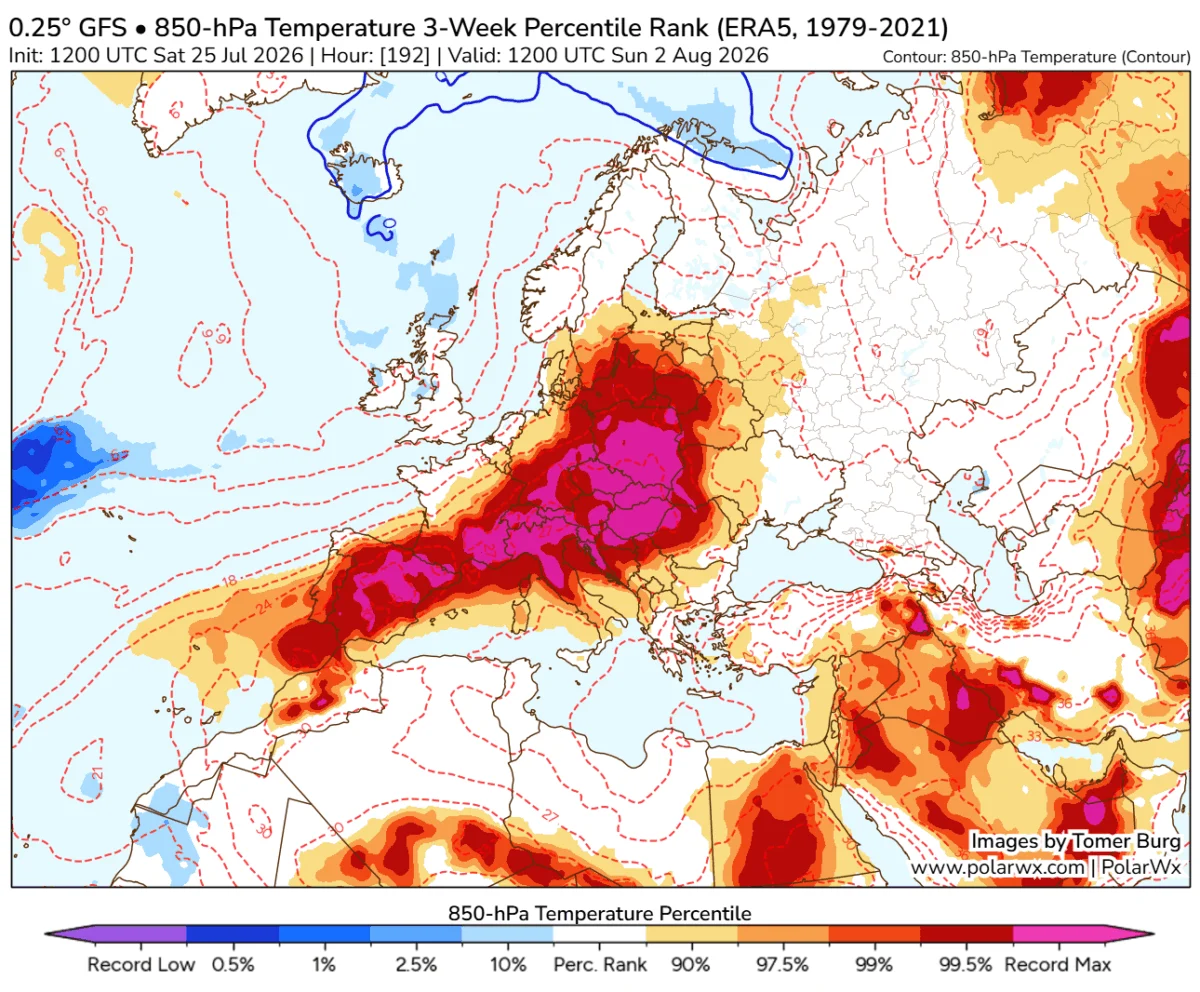
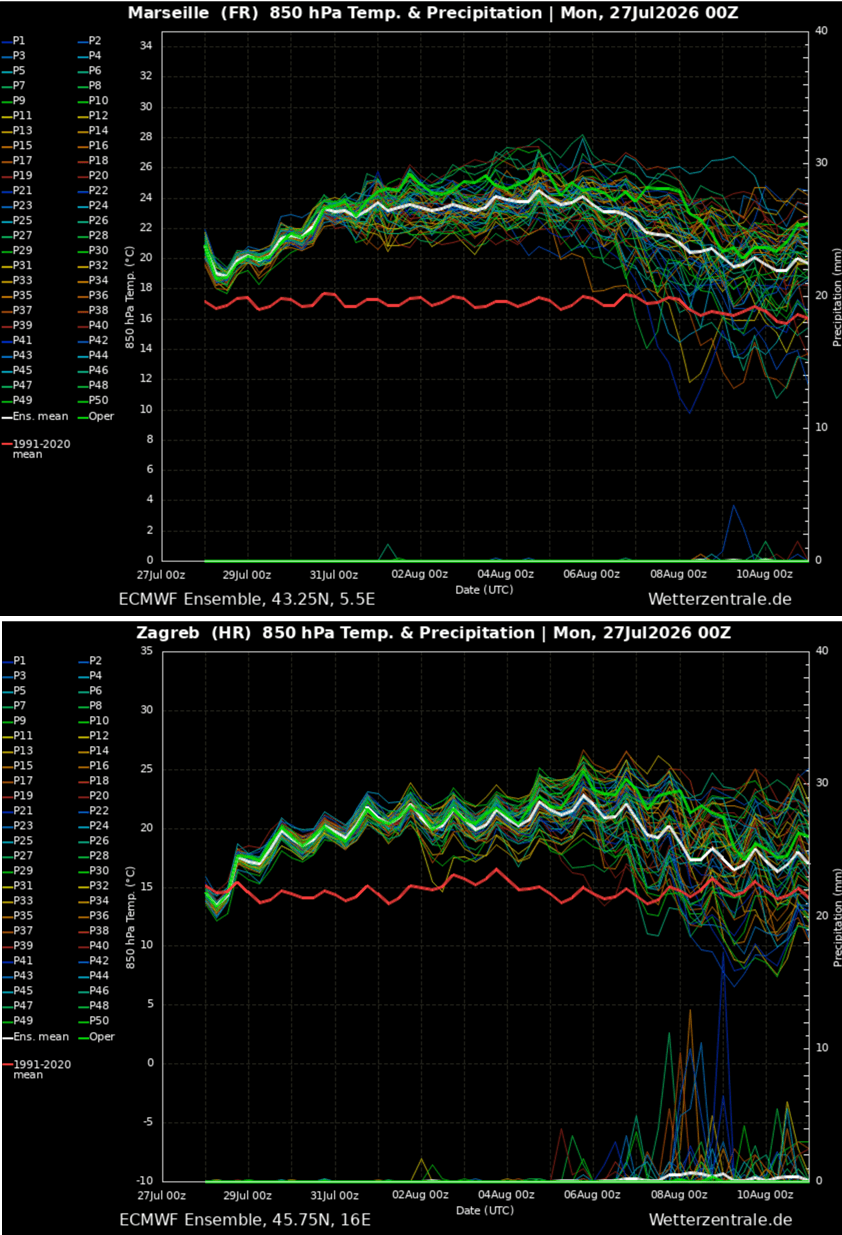
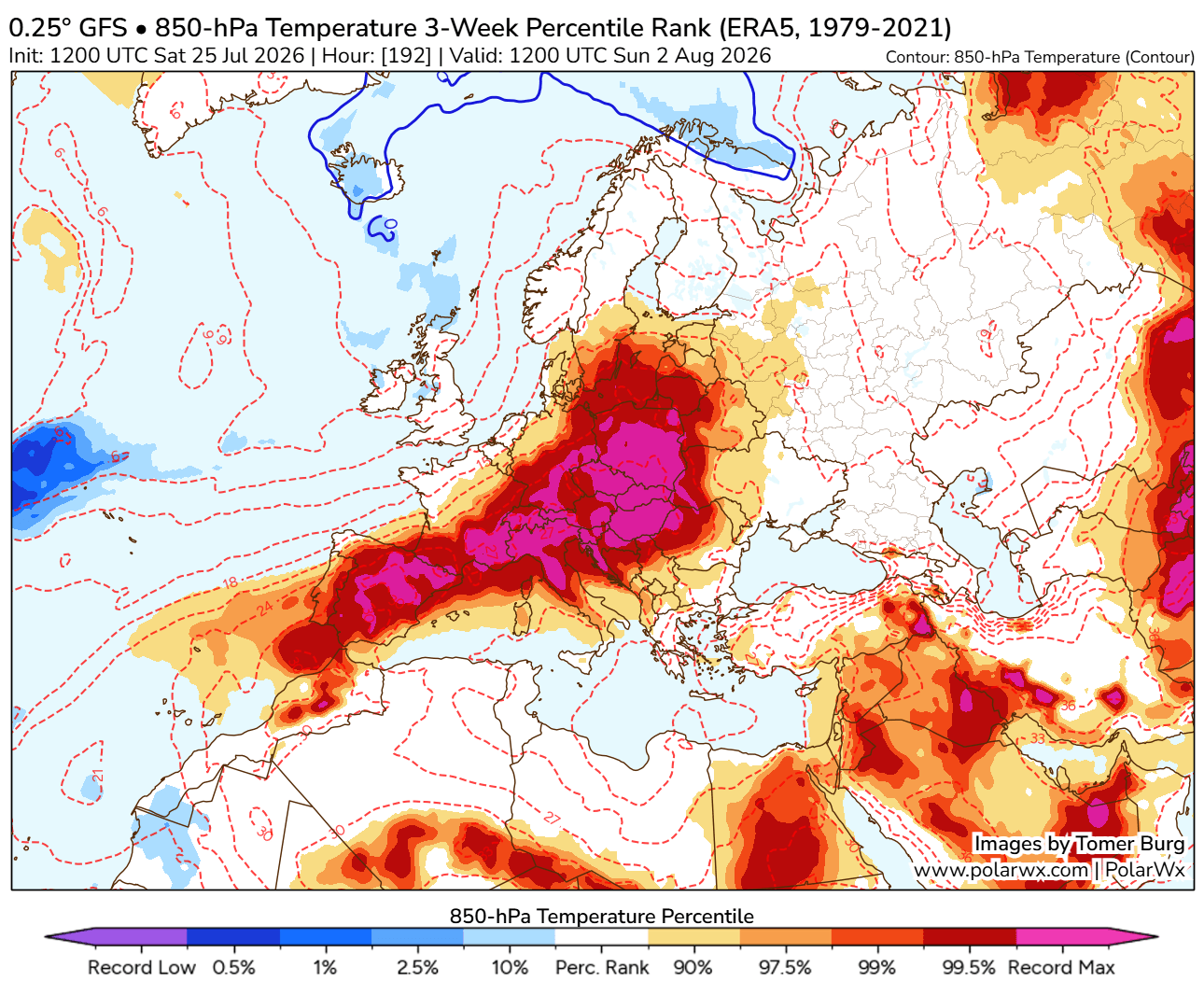
Meteorologists observing the high-resolution global ensemble weather models note that thermal anomalies are tracking well into the 99th percentile. Forecasts indicate that air temperatures at the 850 mbar level—a standard benchmark for atmospheric heat—could reach between 25°C and 28°C, levels that represent a significant deviation from long-term climatic norms.
Chronology of the Heatwave: From Iberia to the Balkans
The heatwave is not a singular event but a shifting, multi-stage crisis moving across the continent.
Phase 1: The Iberian and French Onslaught
The heatwave initially centered its fury over the Iberian Peninsula and France. By mid-week, western and central France began experiencing temperatures in the 40°C to 43°C range. Spain and Portugal, already reeling from previous heat cycles this summer, are facing peak temperatures of 42°C to 46°C. The combination of extreme heat and low humidity has created a tinderbox environment, particularly in southern France and Spain, where forests are at critical risk of explosive wildfire development.
Phase 2: Central Europe and the Benelux Shift
As the core of the high-pressure ridge drifts eastward, the focus of the "furnace" moves toward Germany, the Benelux region, and the Czech Republic. Residents in these areas, less accustomed to sustained 40°C-plus heat, are bracing for a period of extreme physiological stress. Wednesday and Thursday are identified as the peak danger days for Germany, with temperatures forecast to climb into the 40–41°C range.
Phase 3: The Mediterranean and Balkan Peak
By the coming weekend, the heat dome will fully encompass Italy, the Pannonian plains, and the Balkans. This poses a significant challenge for the tourism industry, as millions of vacationers are currently concentrated in Mediterranean coastal areas. The Po Valley in Italy and regions across Hungary, Serbia, and Romania are expected to see temperatures consistently in the 40°C to 43°C range. Experts warn that for many of these locations, the heat will challenge all-time historic records, effectively rewriting the climate history for these regions.
Supporting Data and Meteorological Anomalies
The intensity of this heatwave is supported by several alarming metrics. Beyond the surface temperature, the 500 mbar geopotential heights are climbing to near-record levels. This vertical expansion of the subtropical air mass indicates a deep-seated atmospheric anomaly that is far more profound than a standard summer heatwave.
A critical factor exacerbating the situation is the lack of "nighttime relief." In many regions, overnight lows are projected to remain in the mid-to-upper 20s. These "tropical nights" prevent the human body from recovering from the daytime heat, significantly increasing the risk of heat exhaustion, heat stroke, and cardiovascular distress. Furthermore, the drying effect of the air—with relative humidity levels frequently dropping below 20 percent—is causing rapid evaporation, worsening the existing agricultural drought and drying out vegetation, which in turn fuels the risk of uncontrollable wildfires.
Public Health Implications and Vulnerable Populations
The "silent killer" that is extreme heat is already taking a toll. Emergency services in France and Spain have reported early fatalities associated with the initial onset of the dome. The lack of centralized air conditioning across much of the European housing stock remains a primary concern for public health officials.
The Vulnerability Index
- The Elderly and Infirm: High temperatures are directly linked to spikes in mortality among populations with pre-existing heart and respiratory conditions.
- Outdoor Workers: Construction crews, farmers, and delivery personnel face the highest risk of heat-related illnesses, including severe dehydration and heat stroke.
- Urban Infrastructure: Dense urban centers, characterized by concrete, asphalt, and steel, suffer from the "Urban Heat Island" effect, which can keep temperatures 5–10 degrees higher than in surrounding rural areas.
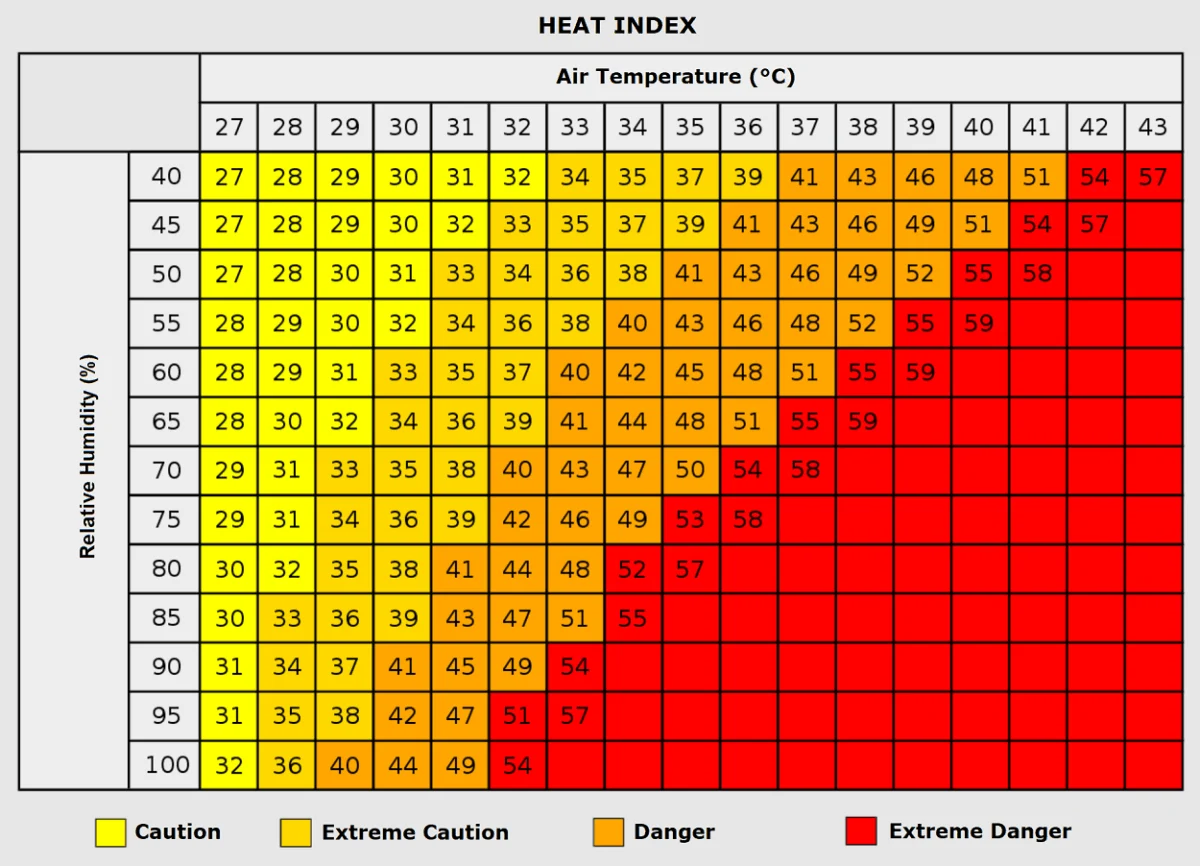
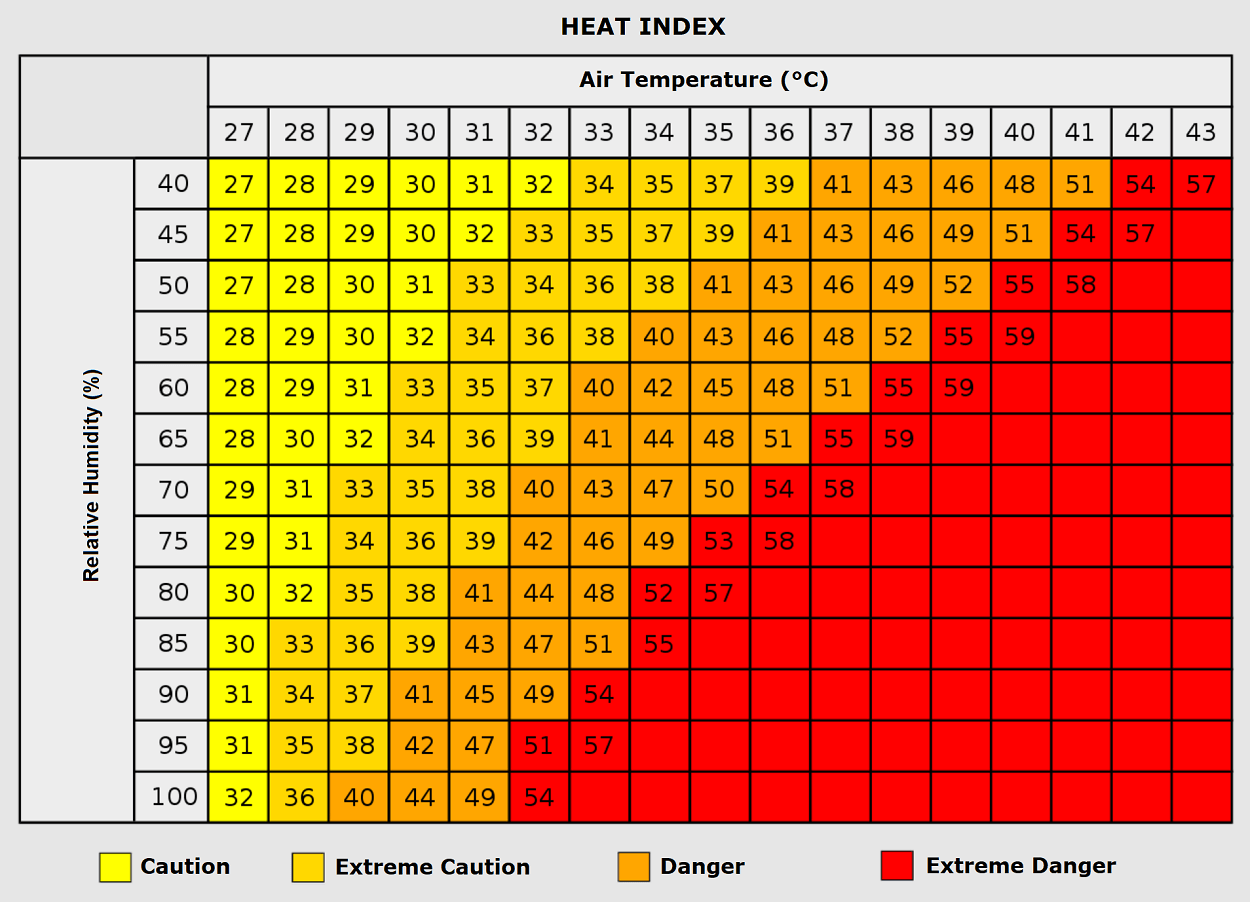
Public health authorities are advising citizens to stay hydrated, avoid physical exertion during peak afternoon hours (12:00 PM to 6:00 PM), and check on neighbors who may be living alone. The use of the "Heat Index" is being emphasized, as it calculates the "perceived temperature" by factoring in humidity. When humidity is high, the body’s ability to cool itself through sweat is compromised, making 35°C feel like a life-threatening 50°C.
Ecological and Economic Consequences
The economic toll of the 2026 heatwave is expected to be substantial. Agriculture is currently under extreme pressure; crops such as maize, wheat, and grapes are wilting under the combined stress of drought and heat. In the Mediterranean, the tourism sector faces the difficult balance of keeping visitors safe while maintaining operations during what should be the peak revenue-generating period.
Perhaps most urgent is the threat of wildfire. The synoptic setup, which pumps dry, scorching air from the Sahara, creates the perfect conditions for "firestorms"—rapidly spreading, high-intensity fires that are difficult for ground crews to contain. The Balkan countries and Italy, in particular, are warned that the arrival of wind gusts during this period of extreme dryness could ignite new blazes that might quickly spiral out of control.
Official Responses and Long-Range Outlook
Government agencies across the continent have begun issuing "Red" and "Orange" weather alerts, triggering emergency protocols. In cities like Paris, Milan, and Belgrade, cooling centers are being opened, and municipal authorities are implementing restrictions on water usage to protect dwindling reservoirs.
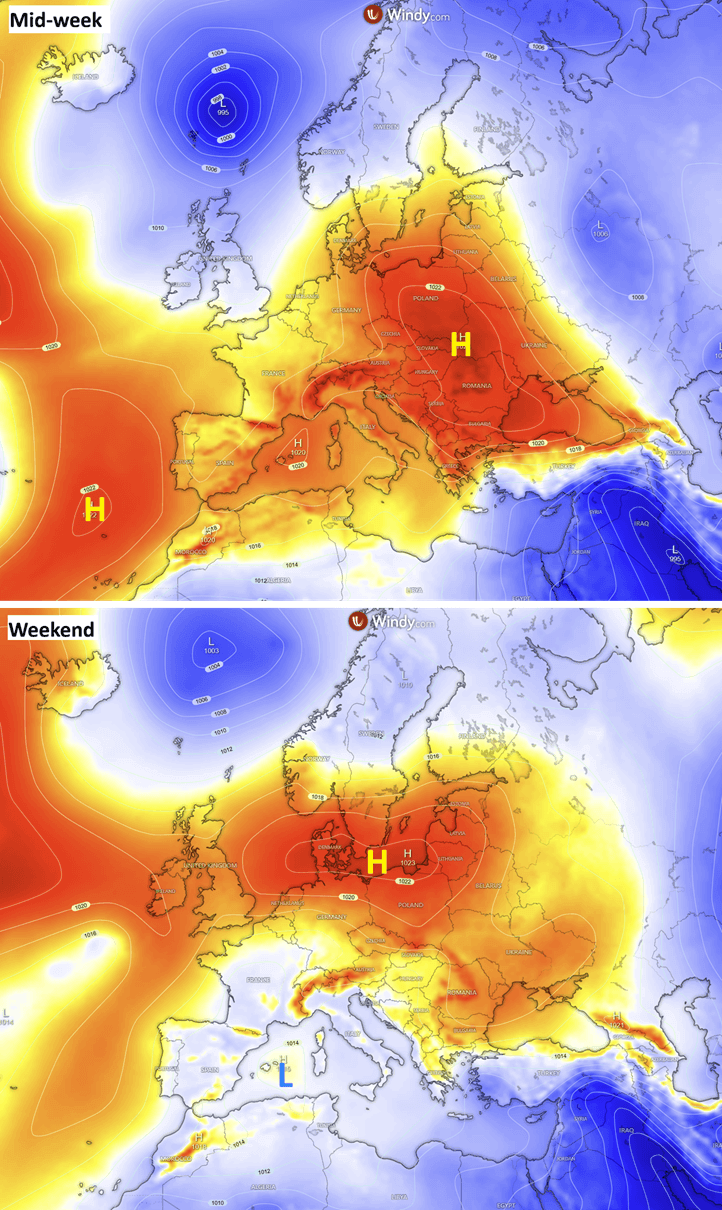
Meteorologists are monitoring the situation closely, noting that the blocking pattern is remarkably persistent. While the UK and Ireland may see a short-term break as maritime air arrives from the west, the heart of the continent remains locked in this thermal trap. Looking ahead, the persistent nature of this Heat Dome raises questions about the broader climatic trends of the 2020s.
As we look toward the middle of August, the potential for the dome to shift or reform further east remains a primary concern. The scientific consensus is clear: these events, once considered "once in a lifetime," are becoming more frequent and more intense. The 2026 summer serves as a sobering reminder of the volatility of our changing climate.
For those in affected regions, it is advised to monitor local government meteorological services, follow all fire safety restrictions, and prioritize personal safety over travel or outdoor commitments until the atmospheric block breaks.
Data sources for this report were provided by Wxcharts, PivotalWeather, and Wetterzentrale. For further information on managing heat-related health risks, readers are encouraged to consult their local health ministry guidelines.