As the Northern Hemisphere drifts into the heart of August, stargazers and professional astronomers alike are preparing for a celestial phenomenon that promises to be the most significant astronomical event of the decade. The 2026 Perseid meteor shower, already renowned as the most reliable and prolific "shooting star" display of the year, will reach its zenith on the night of August 12 into the early hours of August 13. This year, however, the spectacle is amplified by an extraordinary cosmic coincidence: it aligns with a total solar eclipse crossing the North Atlantic and Europe.
Main Facts: A Perfect Storm of Astronomical Wonders
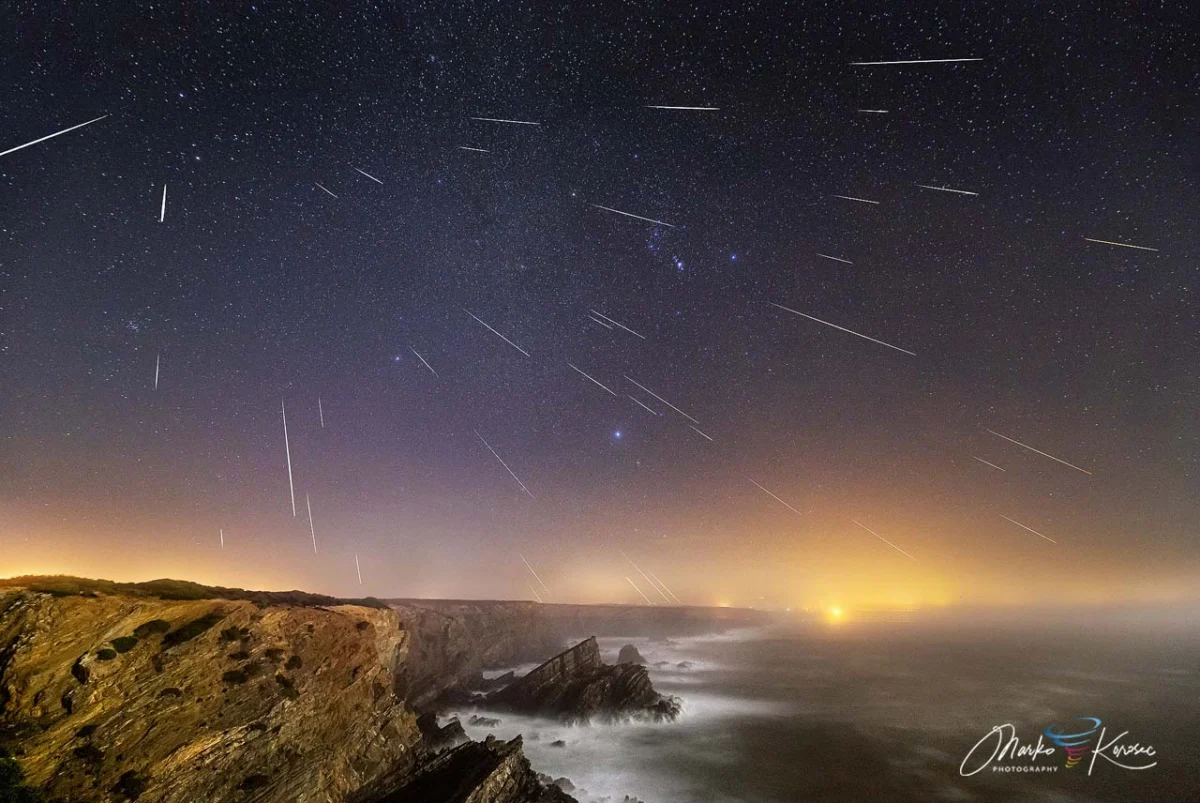
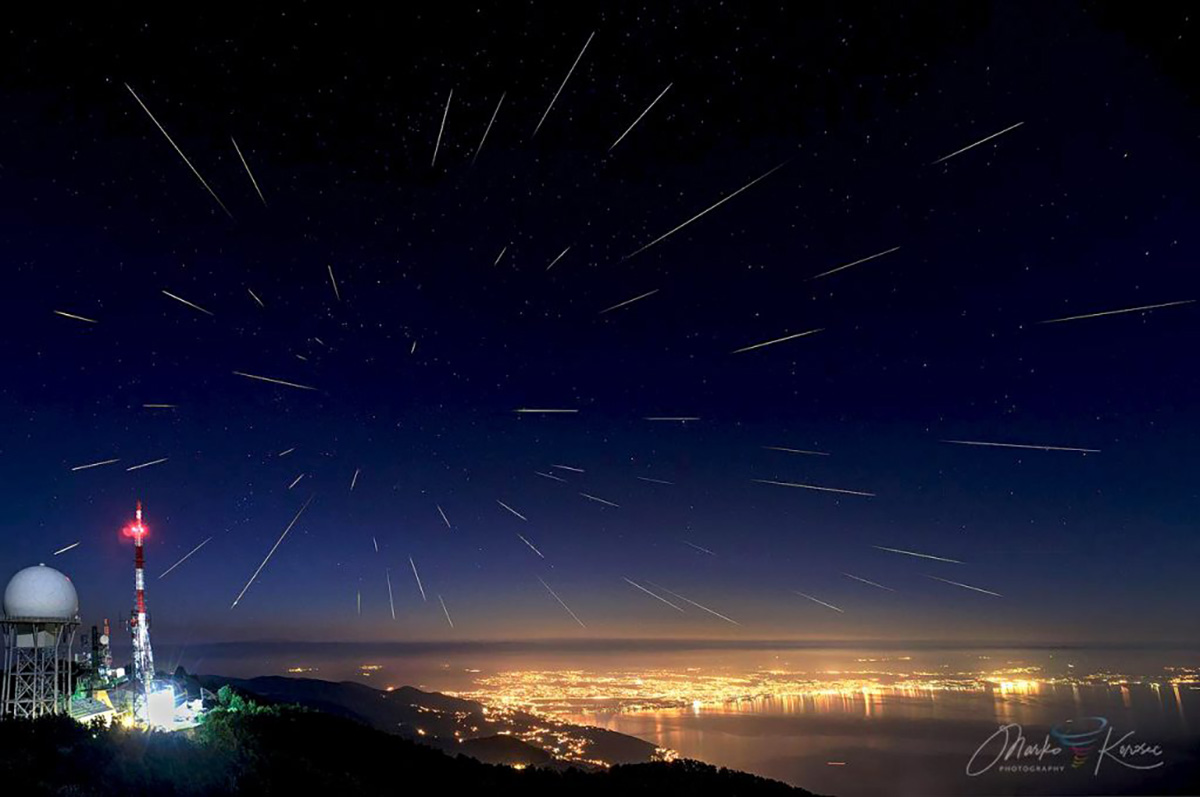
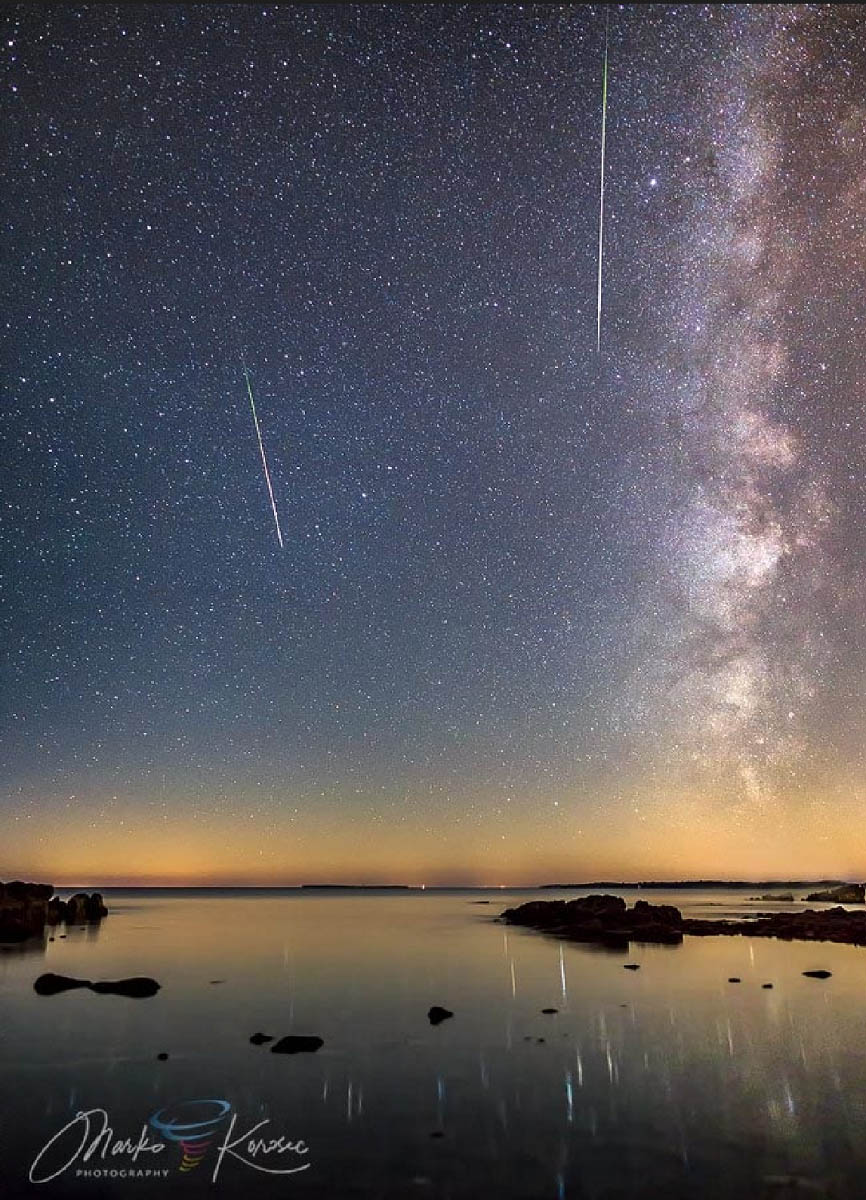
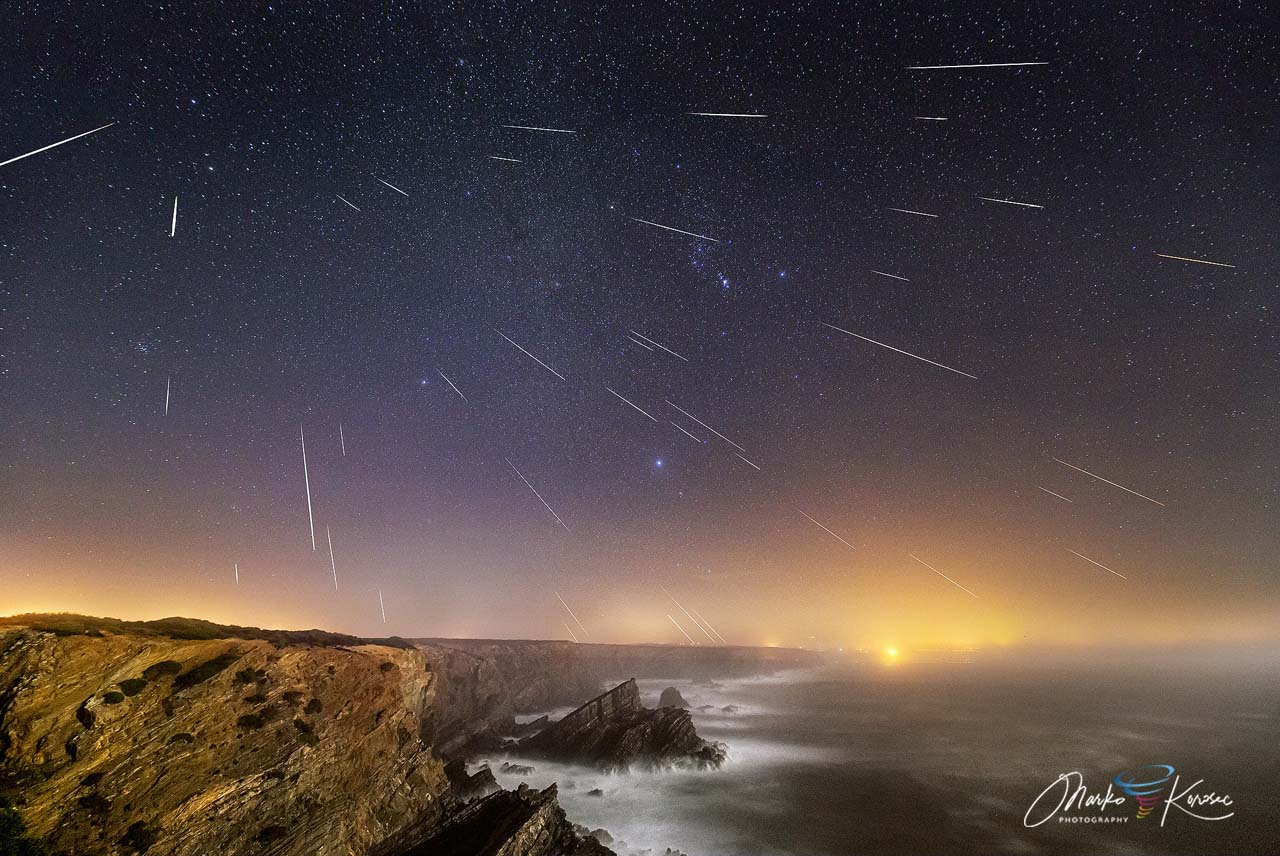
The Perseid meteor shower is an annual event occurring when the Earth passes through the debris stream left behind by the comet 109P/Swift-Tuttle. As these tiny fragments—most no larger than a grain of sand—enter our atmosphere at speeds of approximately 59 kilometers per second (about 132,000 miles per hour), they incinerate, creating the brilliant streaks of light we call meteors.

The New Moon Advantage
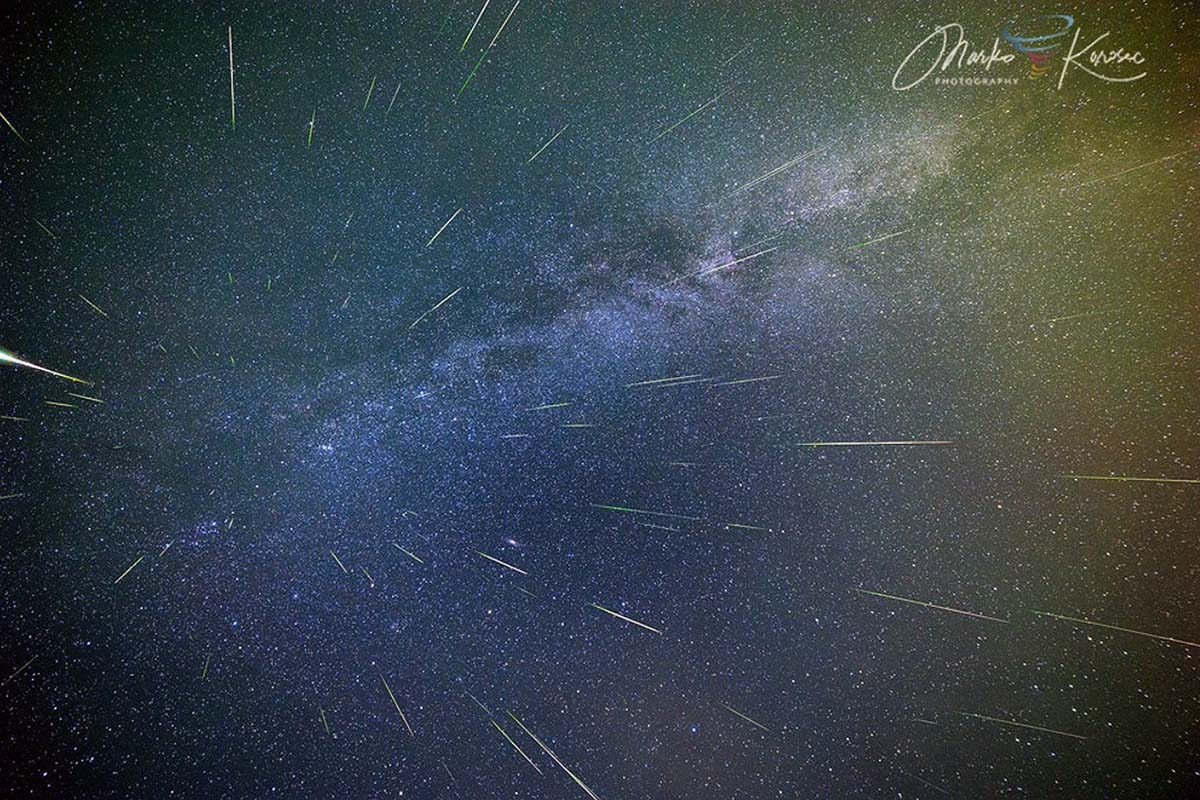
The most critical factor for a successful meteor watch is light pollution. In 2026, nature has provided the ultimate canvas: the peak of the Perseids coincides with the New Moon. This means the night sky will be devoid of lunar illumination, offering a pitch-black background that allows the faintest meteors to become visible to the naked eye. Observers can expect a Zenithal Hourly Rate (ZHR) of 100 to 120 meteors per hour under pristine conditions.
The Double Feature: The August 12 Total Solar Eclipse
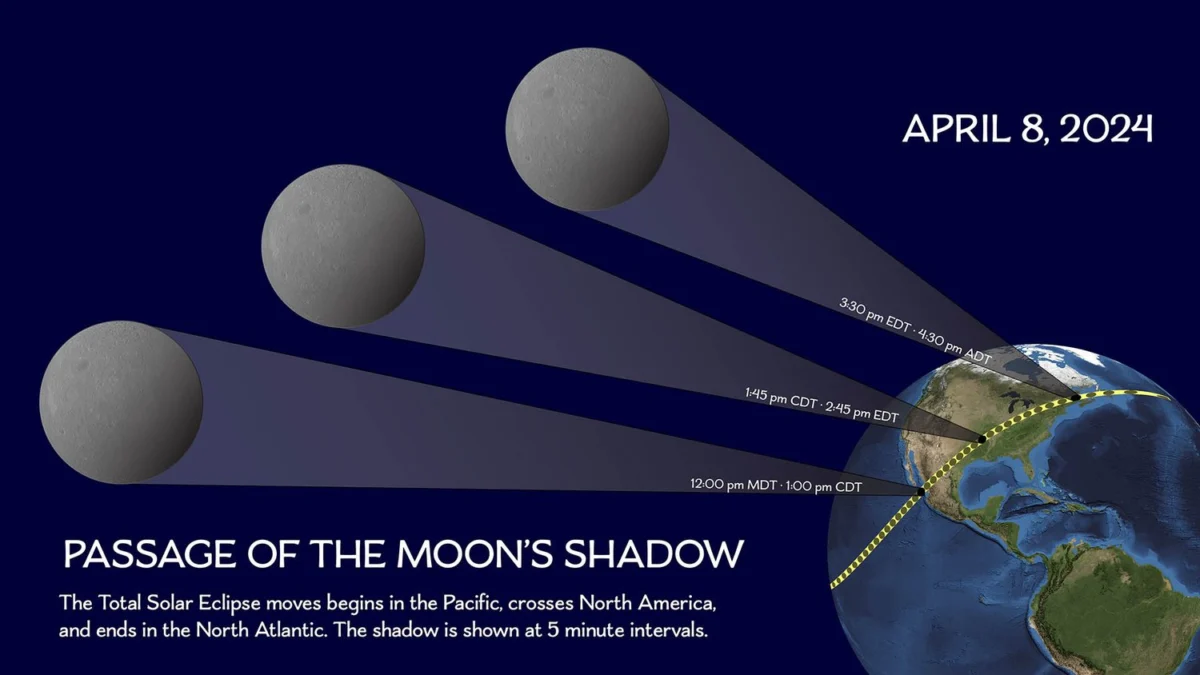
While the meteor shower dominates the night, the daytime of August 12 will be defined by a rare total solar eclipse. The path of totality will sweep across Greenland, Iceland, and northern Spain. For those fortunate enough to be in the path of the eclipse, August 12, 2026, will be a 24-hour cycle of astronomical awe, transitioning from the total blackout of the Sun to the glittering display of the Perseids as evening falls.
Chronology: A Night of Falling Stars
The activity of the Perseids is not a momentary flash but a sustained build-up. While the peak occurs between August 12 and 13, the shower begins to ramp up as early as mid-July and tapers off toward the end of August.
- August 11–12 (The Warm-up): The Earth begins its deepest penetration into the dust trail of comet 109P/Swift-Tuttle. Observers can expect a steady increase in meteor frequency, with many bright fireballs beginning to appear.
- August 12, Dusk: As the Sun sets, the constellation Perseus—the "radiant" point from which the meteors appear to originate—begins its ascent in the northeastern sky.
- August 13, 02:00 UTC (The Peak): This is the calculated maximum intensity. For European observers, this falls in the deepest, darkest hours of the night. For those in North America, the peak occurs roughly six hours before local midnight, meaning the evening hours offer the best viewing before the radiant climbs higher.
- August 13, Pre-Dawn: As the radiant point approaches the zenith (directly overhead), the rate of visible meteors typically increases, as the meteors have less atmosphere to penetrate and are less obscured by haze near the horizon.
Supporting Data: Understanding the Science of the Perseids
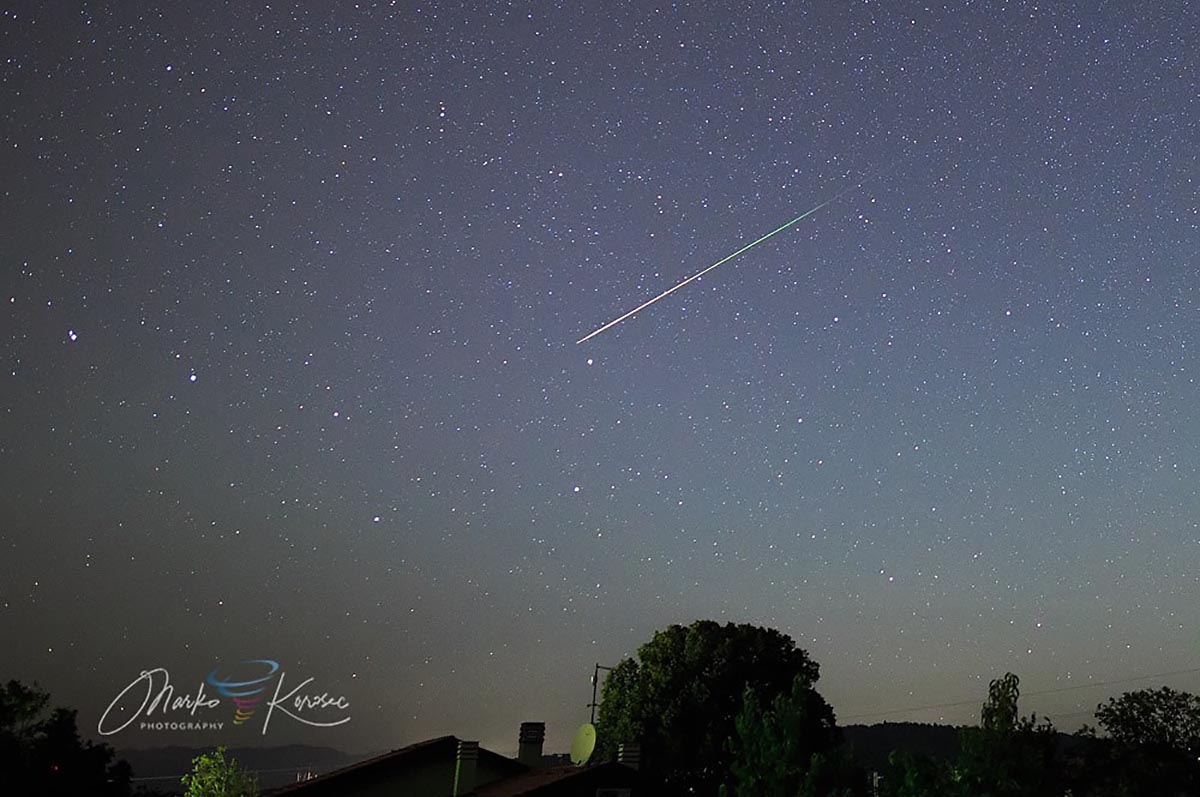
The Perseids are characterized not just by their frequency, but by their composition. Because the parent comet is a large object, it produces a high number of "fireballs"—meteors that are significantly brighter than standard shooting stars.
What is the ZHR?
The Zenithal Hourly Rate (ZHR) is the theoretical number of meteors a single observer would see in one hour if the radiant were directly overhead and the sky were perfectly dark (magnitude 6.5). While the actual number seen by an observer is often lower due to the radiant’s position, the 2026 conditions—specifically the lack of moonlight—mean that observers in rural areas will likely see a count closer to the theoretical maximum than in any year in recent history.
The Physics of the Trail
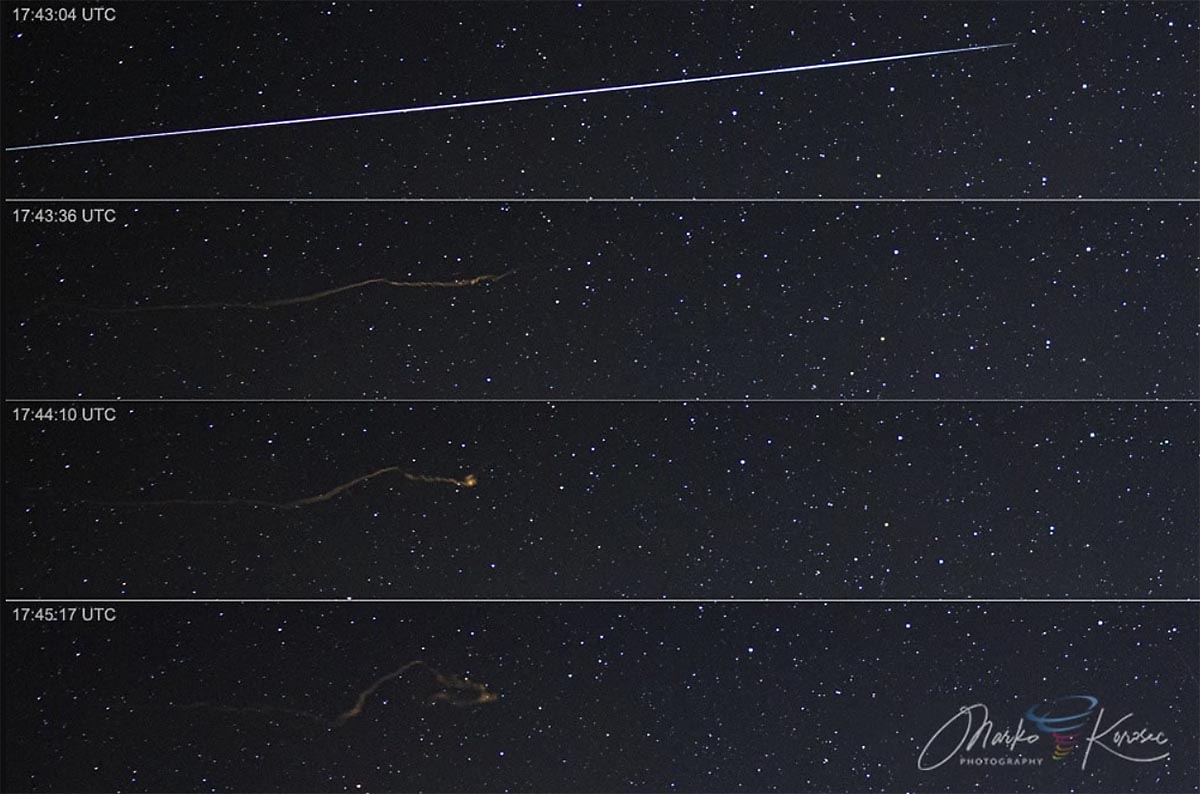
When a meteoroid hits the atmosphere at 59 km/s, the kinetic energy is converted into heat and light. The brightest Perseids leave behind "persistent trains"—faint, glowing trails of ionized gas that can linger in the upper atmosphere for several seconds, or even minutes if viewed through binoculars. These trails are often distorted by high-altitude winds, providing a glimpse into the turbulent dynamics of the mesosphere, approximately 100 kilometers above the surface of the Earth.
Implications: How to Prepare for the Event
The 2026 Perseid shower presents a unique opportunity for both casual skywatchers and amateur astrophotographers. To maximize the experience, careful planning is required.
Choosing Your Location
Light pollution is the enemy of meteor hunting. Even if the moon is absent, the glow from city lights can wash out 50% or more of the potential meteor count.
- Seek Elevation: High-altitude locations, such as mountain ridges or plateaus, place the observer above much of the lower-level atmospheric haze and humidity.
- The Horizon View: While it is tempting to look directly at the constellation Perseus, meteors will appear across the entire sky. The best technique is to lie back on a reclining chair and take in the widest possible field of view.
Photography Tips
For those wishing to capture the event, patience is the primary requirement.
- Equipment: A DSLR or mirrorless camera with a wide-angle, fast lens (f/2.8 or lower is ideal). A sturdy tripod is non-negotiable.
- Settings: Use a long exposure (15–30 seconds), a wide aperture, and a high ISO (1600–3200).
- Automation: Set your camera to take continuous, back-to-back exposures. Because you cannot predict when a fireball will occur, the goal is to keep the shutter open for as many hours as possible.
- Composition: Include a foreground element, such as a mountain silhouette, a tree, or an old building, to give the photograph scale and context.
Official Responses and Expert Advice
Astronomers worldwide are emphasizing the rarity of the 2026 alignment. Dr. Elena Vance, a research astronomer, notes: "It is incredibly rare to have a major annual meteor shower peak during a New Moon immediately following a total solar eclipse. This is a once-in-a-generation confluence of events. The solar eclipse provides a rare look at the solar corona, while the meteor shower gives us a look at the history of our solar system via the debris of 109P/Swift-Tuttle."
Meteorologists, however, offer a cautionary note regarding the season. "August is a time of high convective activity," says weather analyst Markos Korosec. "While the celestial conditions are perfect, the terrestrial weather can be unpredictable. Late-summer thunderstorms often generate cirrus clouds or localized convective debris that can obscure the sky. The key is to monitor local satellite imagery and be prepared to move to a location with stable high-pressure systems."
Conclusion: A Call to the Skies
The 2026 Perseid meteor shower is more than just a display of light; it is a reminder of our place in a dynamic, moving solar system. As the Earth plows through the ancient, dusty trail of a comet, we are provided with a free, spectacular show that requires no special equipment—only a clear night, a comfortable chair, and a sense of wonder.
Whether you are in the path of the August 12 solar eclipse or simply looking up at the night sky in the following hours, the message from the scientific community is clear: do not miss this. The combination of the new moon and the peak activity of the Perseids makes this the most anticipated night of the year.
As you prepare to spend the night under the stars, remember that every meteor you see is a piece of cosmic history, burning up in a final, brilliant display after thousands of years of drifting through the vacuum of space. Find your dark-sky spot, stay hydrated, and keep your eyes on the heavens. The Perseids are waiting.