As we approach the mid-point of August 2026, skywatchers, professional astronomers, and amateur stargazers across the globe are preparing for what promises to be the most significant astronomical alignment of the century. The annual Perseid meteor shower, already famous for its reliability and intensity, is set to reach its peak on the night of August 12 into the early hours of August 13. This year, however, the event is elevated from a standard seasonal spectacle to a historic cosmic convergence, coinciding directly with a rare total solar eclipse.
For those fortunate enough to be in the path of totality across Greenland, Iceland, and parts of Spain, the daytime sky will plunge into darkness, followed mere hours later by one of the most prolific meteor displays in the solar system. Even for those outside the eclipse path, the 2026 Perseids offer a perfect, moonless backdrop, providing ideal conditions for observation.

Main Facts: A Cosmic Coincidence
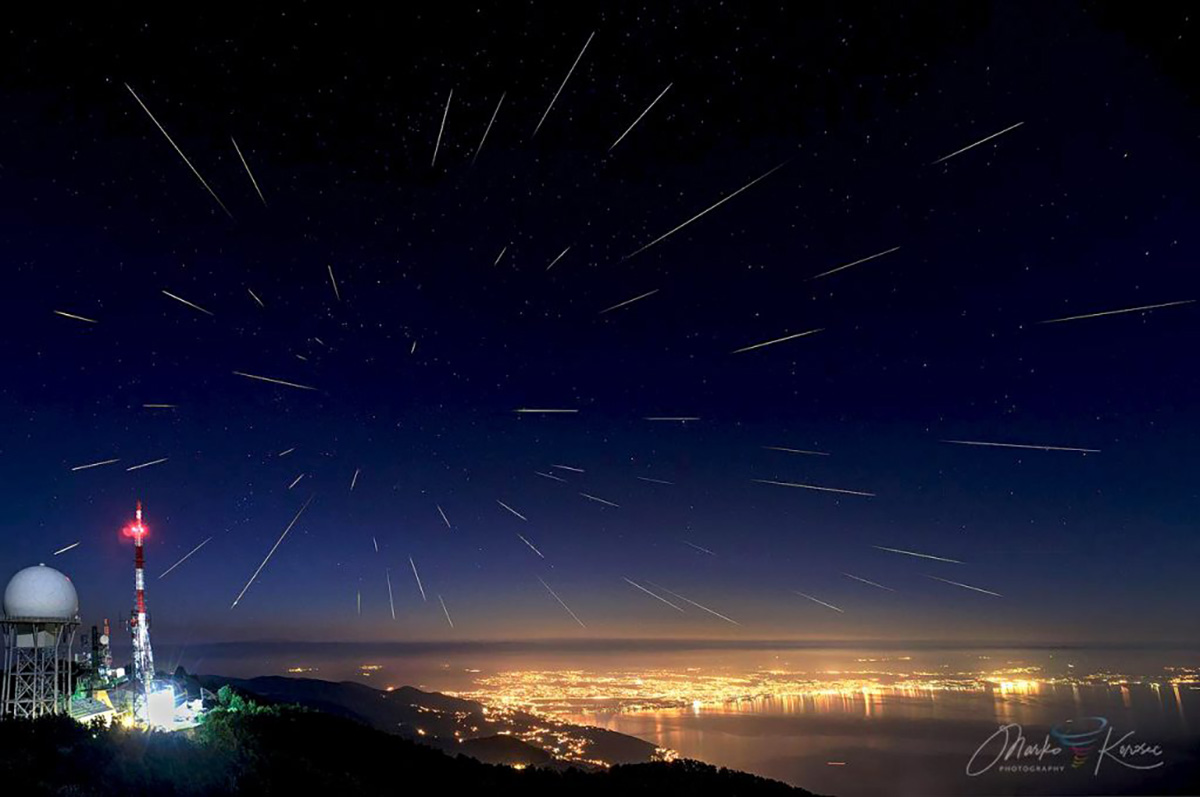
The Perseid meteor shower is the result of Earth passing through the debris trail of comet 109P/Swift-Tuttle. As our planet hurtles through this cloud of ice and dust, these particles—often no larger than a grain of sand—strike our atmosphere at velocities exceeding 59 kilometers per second. The resulting friction creates the brilliant streaks of light we know as "shooting stars."
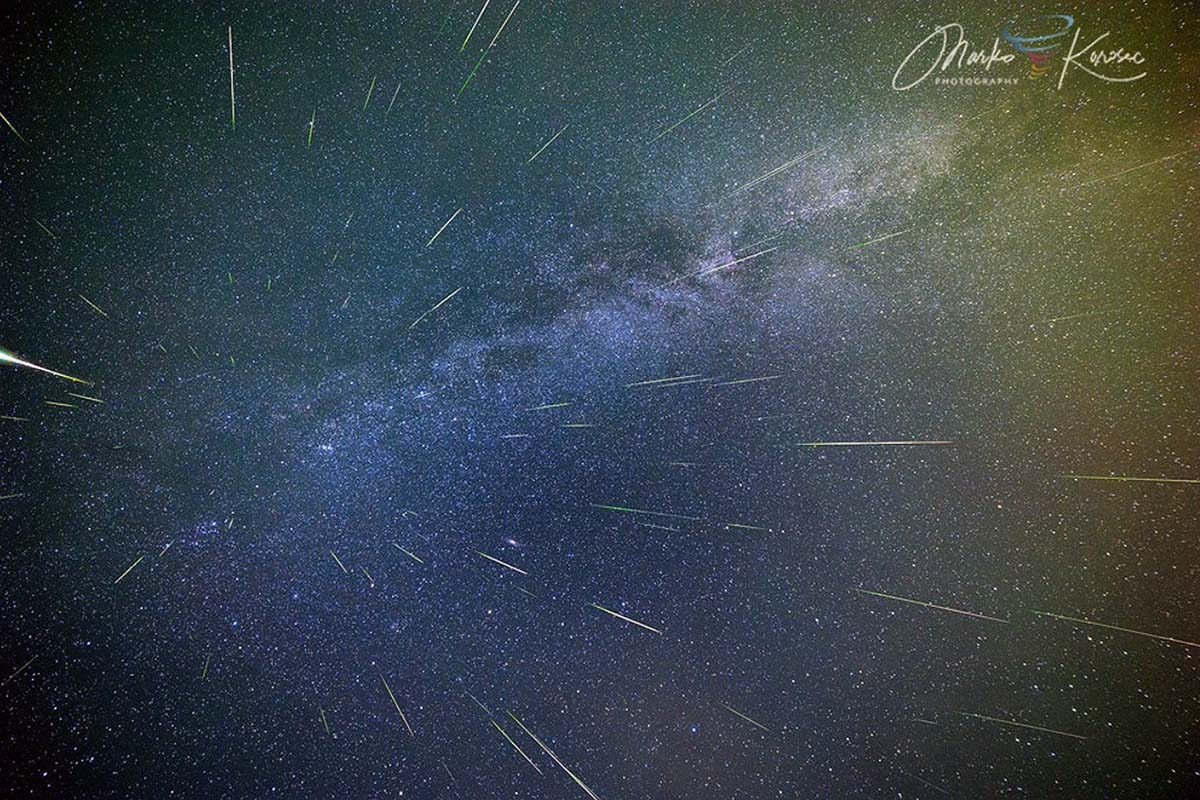
This year, the peak of the shower occurs during a New Moon phase. In astronomical terms, this is the "Goldilocks" scenario for observers: the absence of lunar light pollution ensures that even the faintest meteors, which would otherwise be washed out, will be visible to the naked eye. Experts anticipate a Zenithal Hourly Rate (ZHR) of 100 to 120 meteors per hour. When the radiant—the point in the sky from which the meteors appear to originate—is at its highest point in the constellation Perseus, the sky will effectively come alive with activity.
The Chronology of the Peak
While the Perseids are active from mid-July through late August, the intensity builds exponentially as the Earth moves deeper into the comet’s debris stream.
- August 10–11: The "ramp-up" phase. Observers can expect to see roughly 20–30 meteors per hour.
- August 12 (Daytime): A historic date. As the Moon obscures the Sun in a total eclipse across the North Atlantic and Europe, the atmosphere remains unsettled.
- August 12 (Evening) to August 13 (Dawn): The primary window of intensity. The radiant point in the constellation Perseus will climb higher into the northeastern sky as the night progresses.
- August 13 (02:00 UTC): The estimated theoretical peak of the shower. While this favors European observers, the spread of the debris means the entire night of August 12 will provide exceptional viewing for North America and Asia as well.
Understanding the Physics: What are we actually seeing?
It is a common misconception that meteor showers are "falling stars" in the traditional sense. Instead, the Perseids are the legacy of comet 109P/Swift-Tuttle. This massive comet, which orbits the Sun every 133 years, leaves a trail of debris along its path. Every August, Earth intercepts this stream.
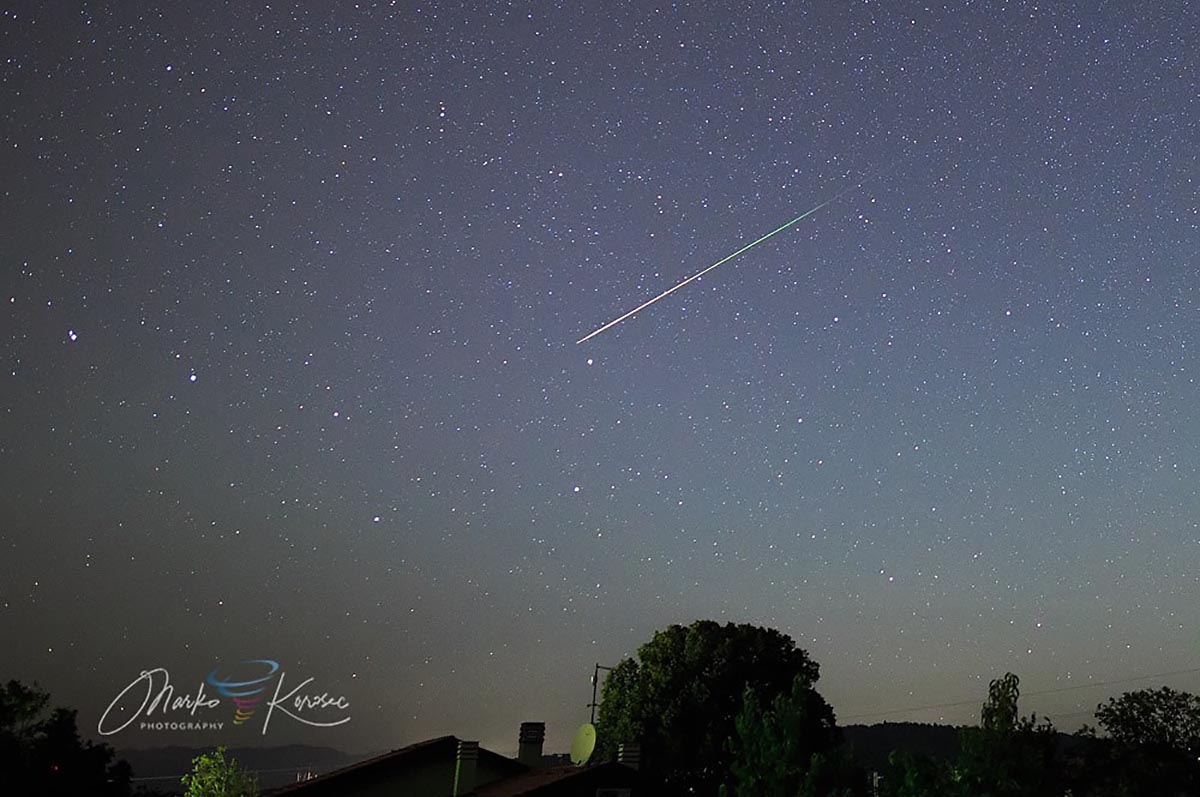
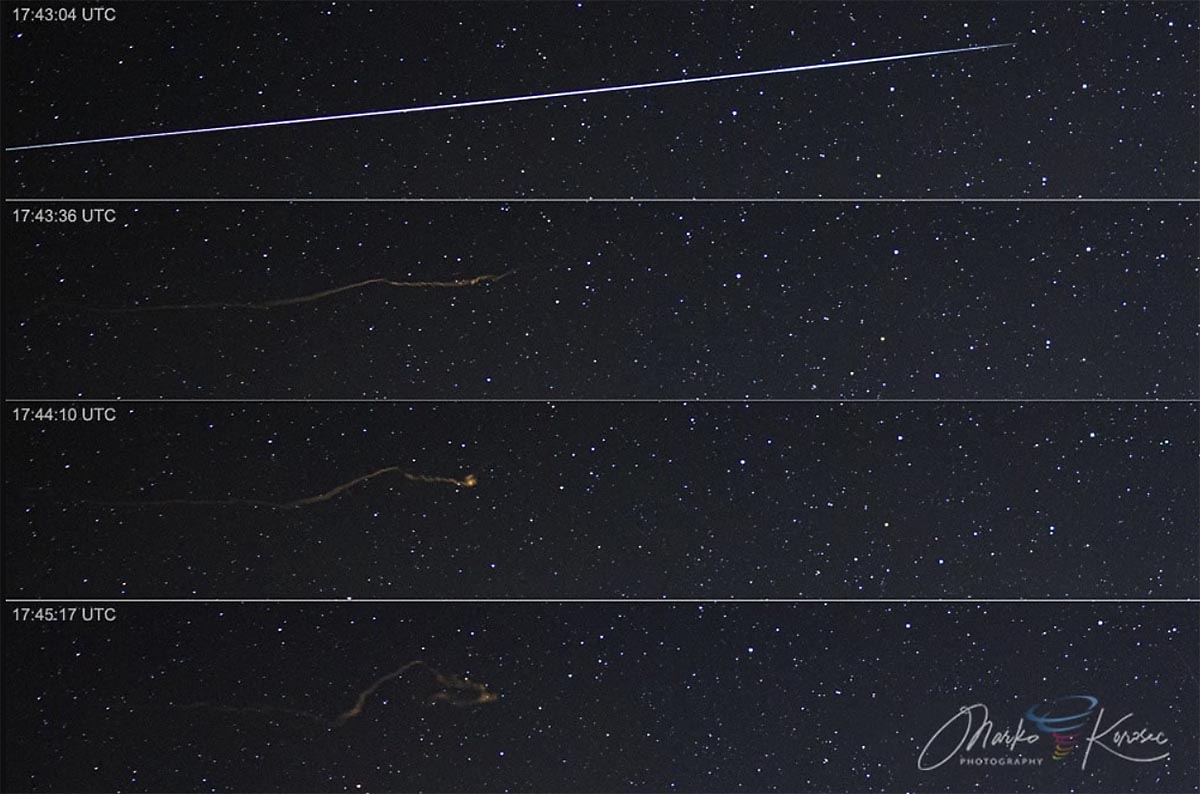
The "fireballs" that often accompany the Perseids are caused by larger particles, potentially several centimeters in size. When these enter the atmosphere, they don’t just burn up; they undergo rapid ablation, creating a blinding flash that can outshine even the brightest planets. Often, these fireballs leave behind a "persistent train"—a glowing, ionized trail of gas and dust that can linger in the upper atmosphere for several seconds, visible to the naked eye or through binoculars.
The Radiant and the Geometry of the Sky
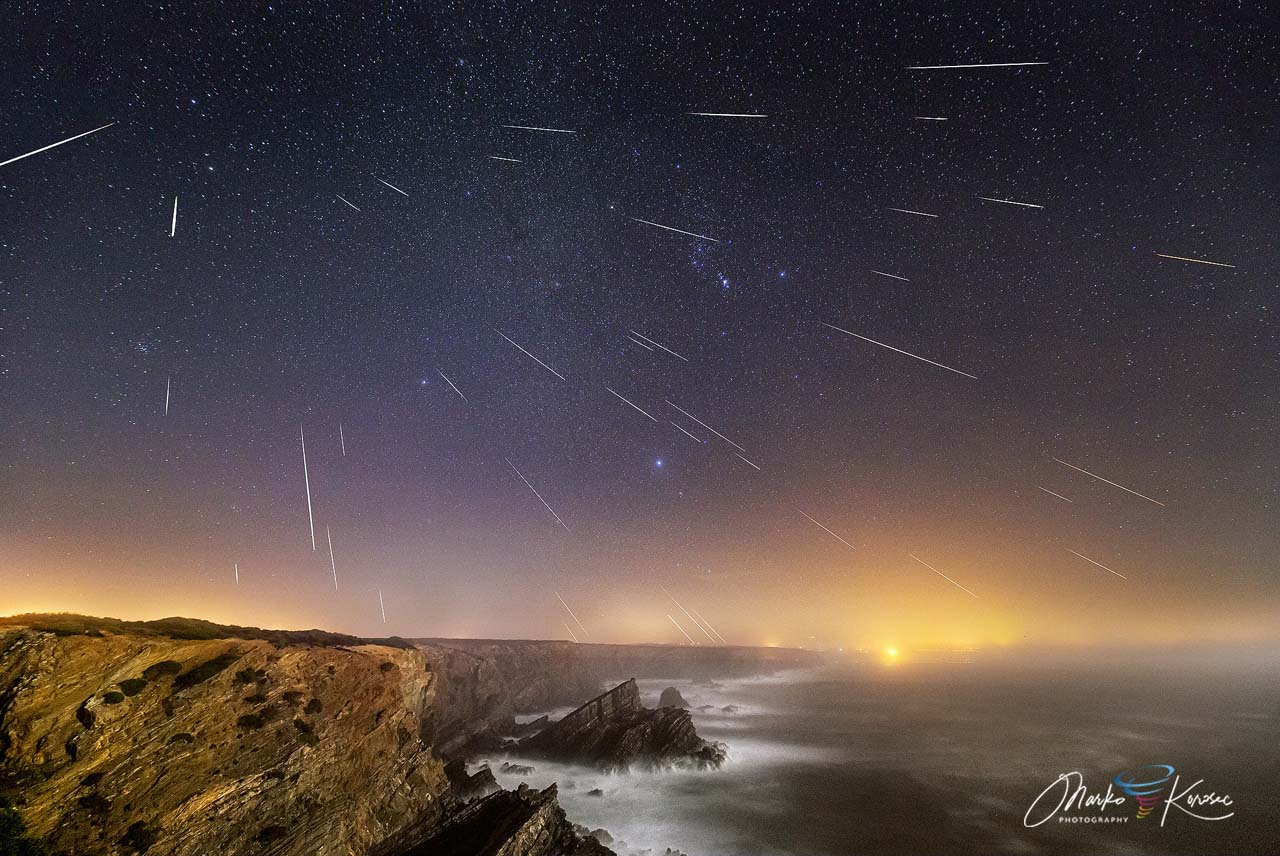
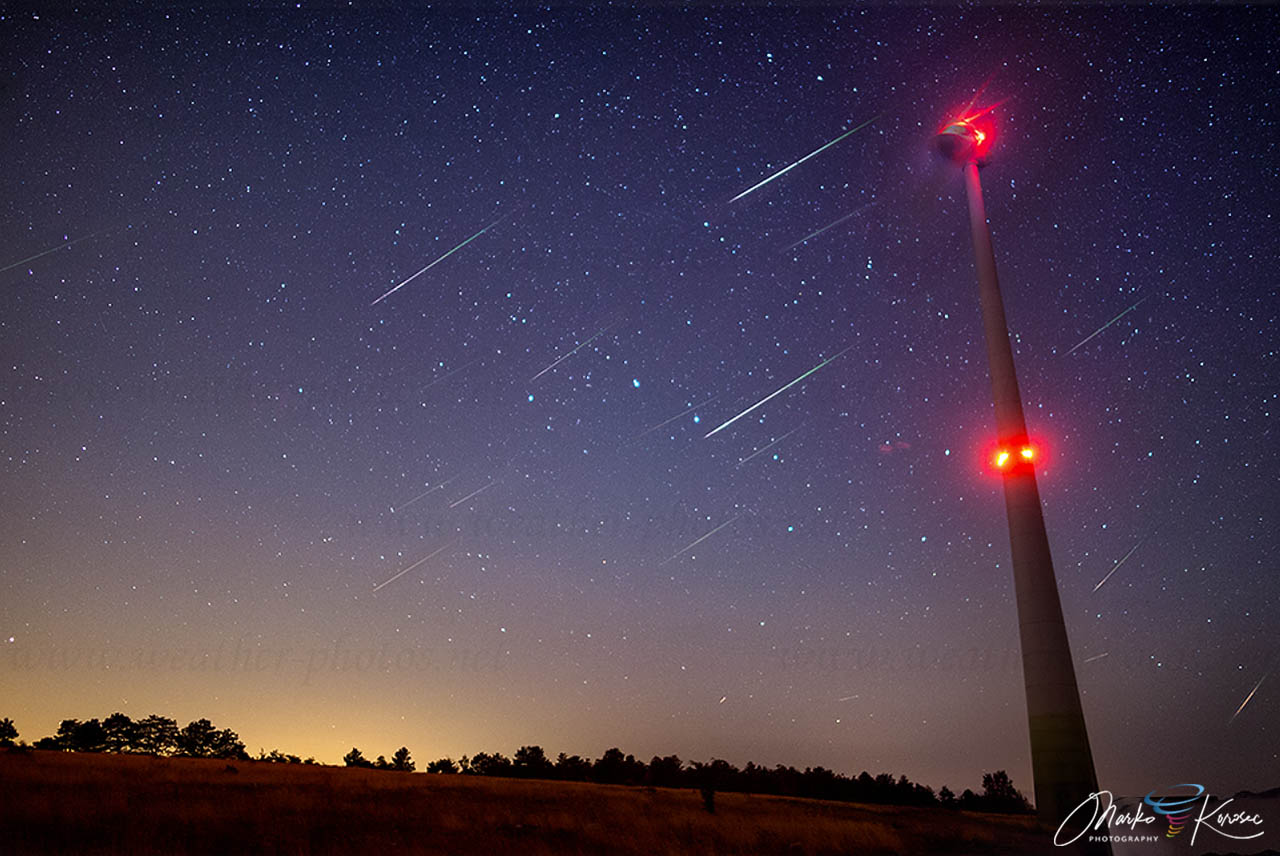
The name "Perseid" refers to the constellation Perseus, the hero of Greek mythology. Because the debris enters our atmosphere on parallel paths, they appear to diverge from a single point in the sky known as the radiant. While you may see meteors anywhere in the sky, tracing their paths backward will lead you directly to this point near the Double Cluster in Perseus. The higher the radiant climbs above the horizon, the more meteors you are likely to see, as the Earth’s atmosphere effectively "scoops up" more debris from the forward-facing side of the planet.
Supporting Data: Why 2026 is Exceptional
The primary variable in meteor observation is always the Moon. A full or waxing moon can reduce the visible meteor count by 50% or more. In 2026, the absence of the Moon is a statistically significant advantage.
Under dark-sky conditions (Magnitude 6.5 visibility), an observer can expect to see roughly 90–100 meteors per hour. In urban or suburban areas, this number usually drops to 10–20 due to light pollution. However, because the sky will be "pitch black" this year, even suburban observers are expected to see a 30% increase in yield compared to average years.
Atmospheric Considerations
While the meteor shower occurs at an altitude of 100 kilometers—the "edge of space"—the primary obstacle for observers remains the troposphere. Summer weather often brings convective thunderstorm activity. Clouds and localized humidity are the "enemy" of the astronomer. However, meteorologists suggest that the atmospheric stability following the solar eclipse on August 12 may lead to clearer skies in many regions, as the cooling effect of the eclipse can temporarily stabilize local weather patterns.
Expert Guidance: How to Capture the Moment
For those looking to photograph this event, the process requires patience and the right gear. Professionals suggest the following:
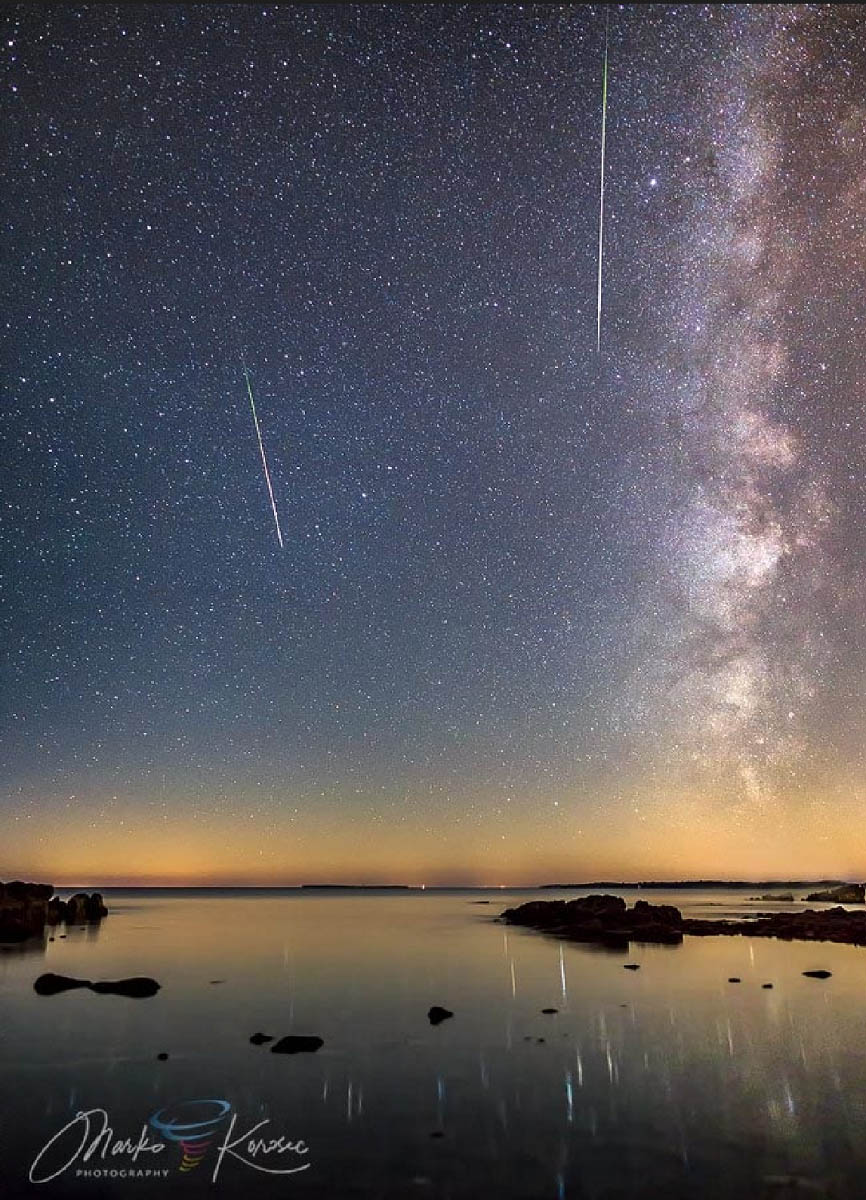
- Stability: A heavy-duty tripod is non-negotiable. Even the slightest vibration will ruin a long-exposure shot.
- Optics: Use a wide-angle lens with a fast aperture (f/2.8 or lower). This allows the sensor to capture as much light as possible from the faint streaks.
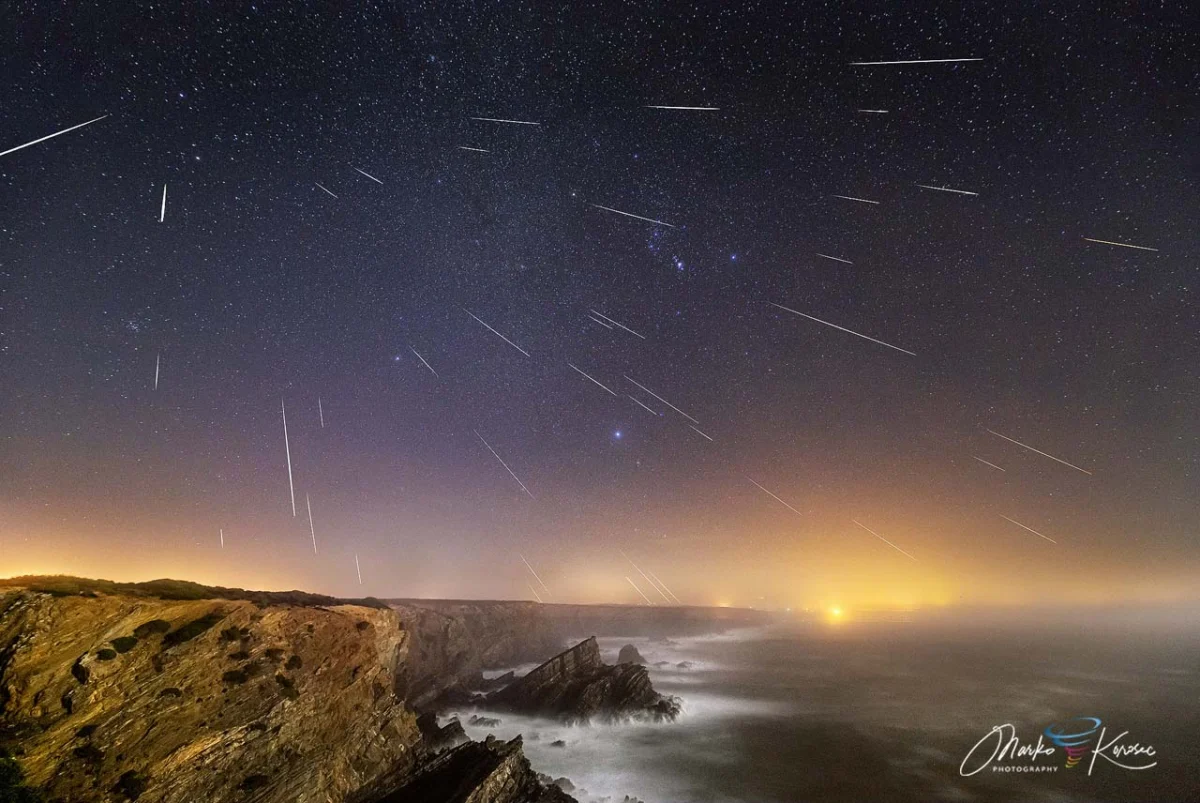
- The "Composite" Technique: Do not rely on one single shot. Set your camera to take continuous 20–30 second exposures. Over the course of the night, you may capture 500–1,000 frames. Software can then be used to "stack" these images, effectively showing the cumulative path of multiple meteors over several hours.
- Field Location: Escape the city. Light pollution is the greatest inhibitor to photography. Higher elevations in mountainous regions offer thinner, clearer air, which significantly improves the contrast of the meteors against the night sky.
Implications for Astronomy and the Public
The convergence of the 2026 solar eclipse and the Perseid shower has profound implications for public engagement with science. Educational institutions are using this "double header" to increase awareness of celestial mechanics. By witnessing the Moon covering the Sun during the day, and then observing the remnants of a comet at night, the public is being offered a rare "full-stack" demonstration of how our solar system operates.
Official bodies, including the International Meteor Organization (IMO), have encouraged amateur astronomers to report their counts. Data gathered by thousands of individuals worldwide helps scientists map the density of the 109P/Swift-Tuttle debris stream, allowing for better predictions of future showers.
Conclusion: A Night to Remember
The 2026 Perseid meteor shower is more than just a seasonal recurrence; it is a reminder of our place in the cosmos. Whether you are an experienced photographer or a family looking to introduce children to the wonders of the universe, the night of August 12 offers a rare opportunity.
With no moonlight to interfere, the universe is effectively opening a window. All that is required is a clear patch of sky, a comfortable chair, and the patience to watch the darkness. As the old adage among astronomers goes: "The stars are always there; we just have to be willing to look up." On August 12, 2026, the entire world will be looking up, and for the first time in many years, the conditions will be perfect for a display that will be remembered for decades to come.
If you are planning to observe the shower, ensure you check your local weather reports, find a location away from artificial light, and allow your eyes at least 20 minutes to adjust to the darkness. Happy hunting.