For the modern traveler, the traditional safari—a sedentary observation of wildlife from the confines of a vehicle—is evolving. Today’s discerning explorer seeks a more visceral connection with the Earth, one that combines the raw power of geological history with the profound intimacy of wildlife conservation. East Africa, a region defined by the dramatic fissures of the Great Rift Valley, has emerged as the global epicenter for this fusion of adventure and environmental stewardship. From the snow-capped volcanic peaks of Tanzania to the mist-shrouded, gorilla-inhabited highlands of Rwanda, East Africa’s volcanic landscapes are setting the standard for sustainable, regenerative tourism.
The Geological Majesty of East Africa
East Africa’s unique topography is a direct consequence of tectonic activity that continues to shape the continent. The volcanic arc stretching from Ethiopia down through Kenya, Tanzania, and into the Albertine Rift is not merely a collection of mountains; it is a living laboratory of Earth’s history.
For travelers, this translates into an unparalleled ecotourism circuit. Iconic landmarks such as Mount Kilimanjaro, Mount Meru, Mount Kenya, and the Eastern Arc Mountains serve as the pillars of this region. Among these, the Oldonyo Lengai—the "Mountain of God"—stands as a testament to the region’s active geological heart, offering trekkers a glimpse into the volcanic forces that forged the African landscape.
A Chronology of Discovery: From Exploration to Conservation
The evolution of East African tourism can be categorized into three distinct phases:
- The Era of Exploration (Late 19th–Early 20th Century): European explorers first mapped the volcanic giants of the region. During this period, the focus was on conquest—climbing the "Roof of Africa" and documenting the unknown.
- The Era of Wildlife Preservation (Mid-20th Century): The establishment of major national parks, such as the Serengeti and Volcanoes National Park in Rwanda, shifted the focus toward protecting biodiversity from poaching and habitat loss.
- The Era of Ecotourism (21st Century): Today, the industry has matured into a sophisticated model of "responsible travel." It is no longer enough to simply visit; the modern traveler demands that their presence helps conserve the environment and uplift local communities. This is the era where the trekker’s boot print is minimized, and the economic footprint is maximized for the local populace.
Supporting Data: Why Volcanoes and Primates Lead the Charge
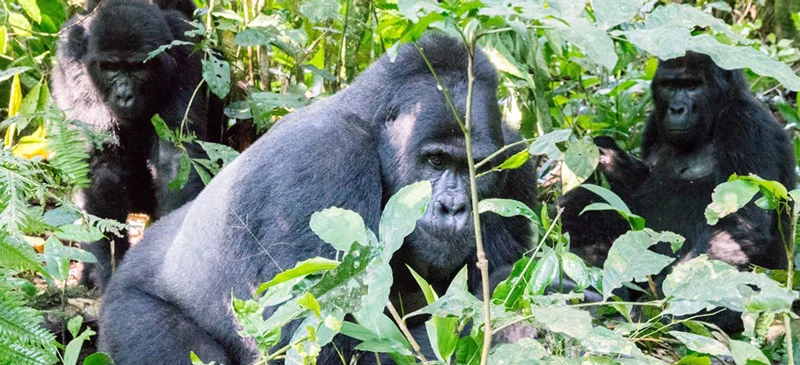
The data regarding visitor patterns reveals a significant shift toward "active" tourism. Volcanoes National Park in Rwanda has become the gold standard for high-value, low-impact tourism. Gorilla tracking, a high-intensity nature activity, has become a vital economic engine for the region. By restricting visitor numbers and charging premium permit fees, Rwanda has successfully turned endangered species into the primary beneficiaries of their own protection.
In Tanzania, the Ngorongoro Highlands represent a masterclass in integrated tourism. The area serves as a dual-purpose destination: it is a site of immense geological interest—featuring the Olmoti and Empakai craters—and a critical acclimatization hub for those preparing to scale Mount Kilimanjaro. Statistics suggest that travelers who incorporate a three-to-four-day trek in the Ngorongoro Highlands show significantly higher success rates in reaching the summit of Kilimanjaro, proving that the volcanic landscape is as functional as it is aesthetic.
The Pillars of Sustainable Ecotourism: An Official Perspective
According to the principles of the International Ecotourism Society, a destination is only as good as its commitment to its people and its planet. When asked about the impact of the current tourism surge, local conservationists and destination management companies (DMCs) emphasize a "triple-bottom-line" approach: environmental protection, social equity, and economic viability.
- Environmental Stewardship: By choosing eco-lodges and tented camps that operate on solar power and utilize waste-management systems, tourists minimize their carbon footprint in fragile ecosystems.
- Social Equity: Visiting Maasai Bomas (villages) in the Ngorongoro Conservation Area is not merely a sightseeing opportunity; it is an economic intervention. Revenue generated from these visits directly supports schools, healthcare, and infrastructure for the Maasai people, ensuring they remain the primary custodians of their land.
- Economic Viability: Organizations like Kilimanjaro Tanzanite Safaris DMC are pioneering "bundled" itineraries that combine high-intensity mountain climbing with cultural immersion. This creates a sustainable income stream for local guides, porters, and lodge staff, who are the backbone of the industry.
Implications for the Future of African Travel
The shift toward volcanic ecotourism has profound implications for the continent’s economic and environmental future.
The Rise of the "Combo-Tour"
The most significant trend in modern African travel is the "Combo-Tour"—a seamless itinerary that integrates two or more distinct ecosystems. For instance, a 14-day itinerary that begins with the ice fields of Kilimanjaro, transitions into the savannahs of the Serengeti for the Great Migration, and concludes in the dense, emerald jungles of Rwanda for gorilla tracking offers a holistic view of the East African ecosystem. This approach is not only more satisfying for the traveler but also provides a more diversified income source for the local tourism sector.
Primates and the Power of the Jungle
Beyond the volcanoes, the primate-rich forests of Gombe in Tanzania and the volcanic slopes of Rwanda and Uganda offer a different type of thrill. Chimpanzee trekking and gorilla encounters provide a rare opportunity to engage with our closest living relatives. As Travel and Leisure has noted, these experiences require strict adherence to health and safety protocols—not just for the humans, but to protect the primates from human-borne illnesses. This reinforces the "responsible travel" mandate: the animal is the host, and the human is the guest.
Challenges and Mitigations
Despite the successes, the sector faces challenges. The rising demand for these experiences puts pressure on local resources. To combat this, authorities are increasingly favoring longer-duration stays (8 to 14 days) over rapid-fire, high-volume tourism. By encouraging visitors to spend more time in a single location, the industry reduces the strain on the environment while allowing travelers to engage more deeply with the local culture.
Conclusion: A Call to Responsible Adventure
The future of East African travel lies in the synthesis of the mountain and the meadow, the crater and the canopy. Whether you are planning a private Kilimanjaro expedition or a four-day gorilla trek in the heart of Rwanda’s volcanoes, the key to a transformative experience is intentionality.
When you book through reputable DMCs that prioritize quality eco-lodges and sustainable logistics, you are doing more than just planning a vacation. You are participating in a global movement to preserve the world’s most spectacular landscapes. You are supporting the Maasai in their struggle to maintain their heritage, you are financing the protection of the mountain gorilla, and you are ensuring that the fires of the Great Rift Valley continue to burn as a beacon of natural wonder for generations to come.
As you prepare for your journey, remember that the most beautiful part of an East African safari is not just what you see, but the positive ripple effect your presence creates. From the southern circuit’s hiking trails in the Udzungwa Mountains to the northern ice fields of Kilimanjaro, the call of the wild is louder than ever—and it is waiting for those who choose to travel with a purpose.
For those seeking to curate their own sustainable journey, detailed information on Tanzania safari itineraries, wildlife national parks, and expert-led expeditions can be found through specialized services like Kilimanjaro Tanzanite Safaris, which provide the local expertise necessary to navigate these complex, beautiful ecosystems responsibly.