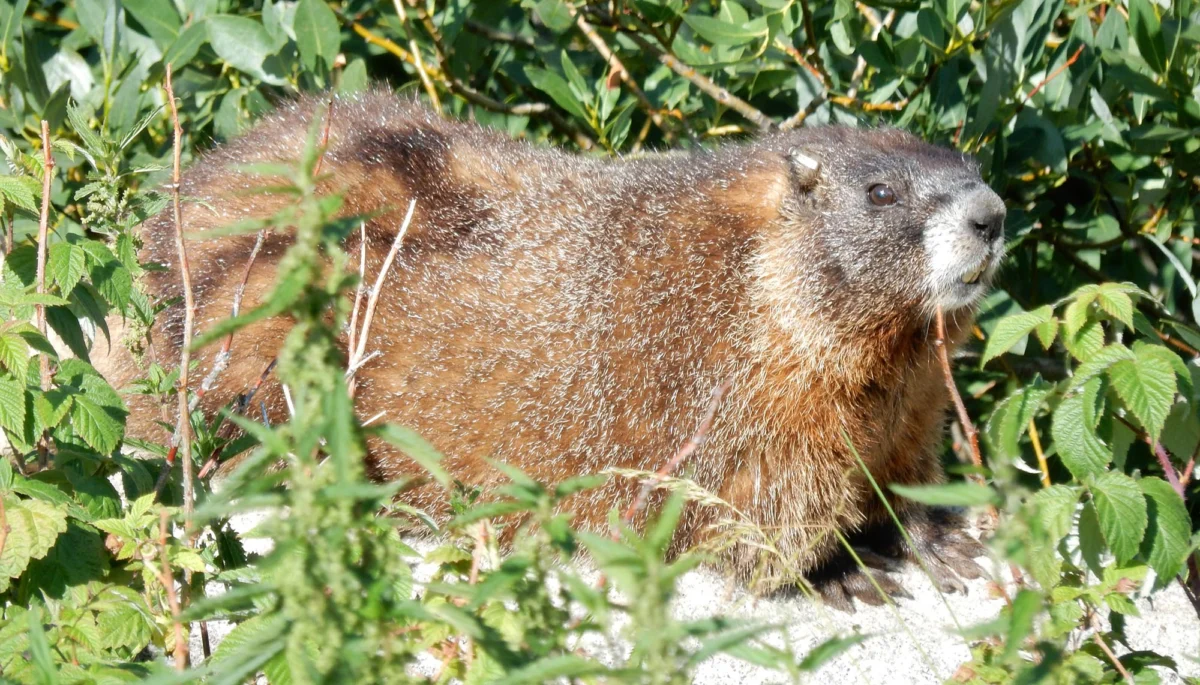
In an era where scientific funding is increasingly precarious, researchers at the Rocky Mountain Biological Laboratory (RMBL) have turned to one of the internet’s most unconventional platforms to secure the future of their work: OnlyFans. The "OnlyMarms" account, featuring high-definition, unfiltered footage of yellow-bellied marmots, represents a desperate, humorous, and highly symbolic pivot for a project that has tracked the ecological pulse of the Colorado Rockies for over six decades.
As federal support for academic research faces significant headwinds, the Marmot Project—a long-running study led by the University of California, Los Angeles (UCLA)—has been forced to transform its graduate students into digital influencers. This transition from field biology to content creation highlights a growing crisis in American science: the disconnect between the vital, long-term importance of climate observation and the tightening grip of public funding.
The Chronology of a Scientific Crisis
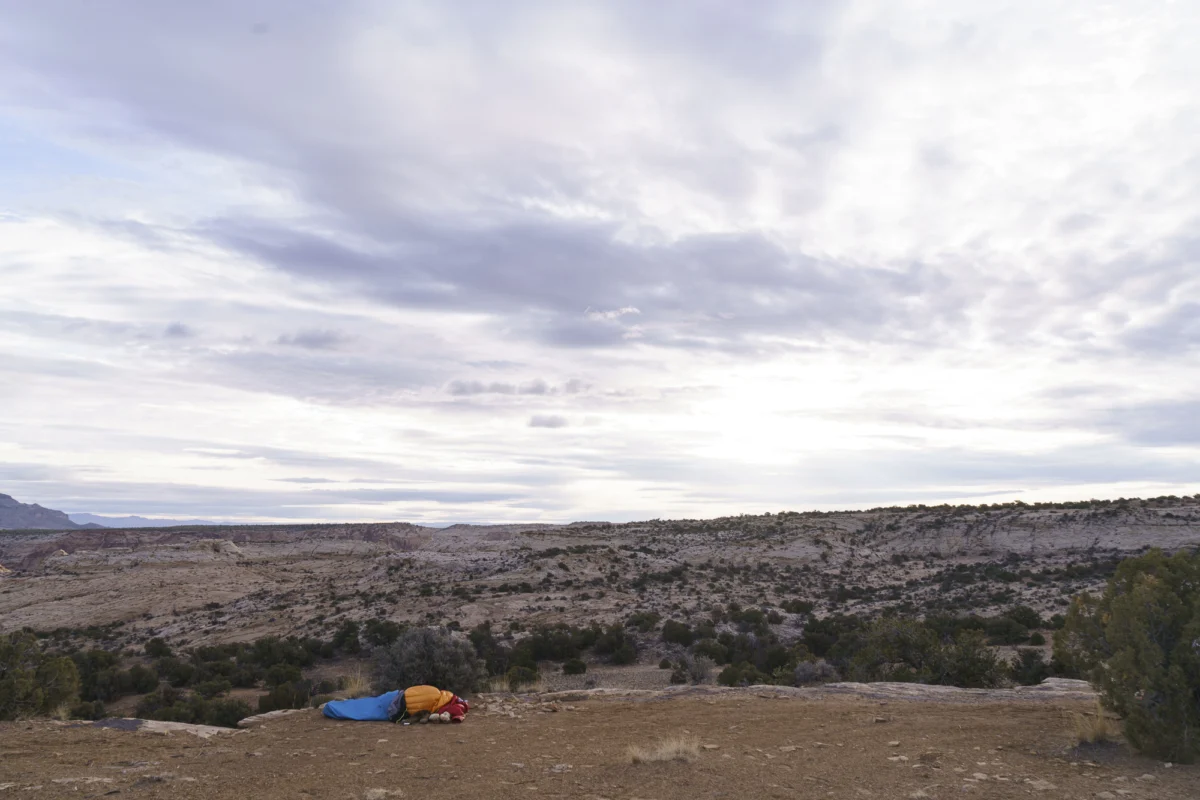
The Marmot Project, established in 1962, stands as the second-longest-running study of wild land animals in history, surpassed only by Jane Goodall’s legendary chimpanzee research. For over 60 years, researchers have trekked to a high-altitude field station near Crested Butte, Colorado, to document the behavior, reproduction, and survival of yellow-bellied marmots.
The data collected is not merely about rodents; it provides an essential, longitudinal view of how climate change, shifting weather patterns, and environmental instability impact high-alpine ecosystems. However, the project recently hit a wall. In the wake of significant federal funding shifts—including substantial cuts to scientific research and graduate student support—the project’s financial viability began to evaporate.
By June of this year, the situation had become dire. UCLA, the institution housing the project, reported a one-third reduction in funding for graduate students, effectively jeopardizing the labor force that keeps the research alive. Faced with the potential collapse of a 60-year data stream, Professor Dan Blumstein and his team took a radical step. Inspired by the pop-culture trope of "money troubles" and the monetization of private content, the team launched "OnlyMarms."

Supporting Data: The Economics of “OnlyFans for Science”
The launch of the account was met with a mixture of confusion and viral adoration. It was a calculated risk, leveraging the platform’s notoriety to capture public attention. However, the financial reality of the endeavor illustrates the difficulty of bridging the gap between niche scientific interest and sustainable revenue.
The Numbers Breakdown
- OnlyFans Performance: Despite the project ranking in the top 5% of all OnlyFans creators due to its novelty, the platform has generated roughly $5,000 in gross income. After accounting for platform fees and taxes, the actual contribution to the project’s research budget is modest.
- The Crypto Pivot: In a surprising twist, the internet’s embrace of the marmot aesthetic led to the creation of the
$ONLYMARMSmeme coin. This decentralized experiment proved more effective than the subscription model, raising over $14,000 in just four days. - Operational Reality: The researchers note that while the money is welcome, the return on investment in terms of time is problematic. Students like Katie Adler spend 60 hours a week in the field; adding social media production to their workload is a form of professional burnout that the academic system was not designed to accommodate.
The irony is not lost on the team: they have successfully monetized the "cuteness" of their subjects to perform the basic administrative functions that were once the purview of government grants.
Official Responses and the Human Element
The researchers involved in the Marmot Project are not content creators by trade; they are scientists dealing with the existential threat of project dissolution. The transition to the public sphere has been a complex emotional journey.
"I thought it was a scam at first," admitted PhD student Katie Adler regarding the surge in crypto-donations. "We’ve made more money from that in four days than we’ve made from the OnlyFans. It will last as long as we’re relevant in the news cycle."
This sentiment reflects the inherent instability of crowdfunding for scientific research. Unlike a federal grant, which provides multi-year stability, viral fame is fleeting. For researchers like Emily Renkey, a UCLA master’s student, the necessity of public solicitation brings up a fundamental question of academic ethics.

"It’s wonderful to see how much people care about the marmots," Renkey said. "It makes us feel like what we’re doing is valid outside of the scientific community. But I wish we could give science to the public without asking them for money."
The team emphasizes that the loss of their project would be a permanent blow to science. The "institutional memory" of the study—the specialized knowledge of marmot burrows, individual animal temperaments, and observational techniques—is passed down through mentorship. If funding gaps prevent new graduate students from being brought on, the continuity of the 60-year record breaks, and that information is lost forever.
The Broader Implications: A Future for Science?
The "OnlyMarms" initiative is a microcosm of a larger, systemic problem in the United States: the commodification of public-interest research. When essential ecological studies are forced to rely on "Fat Marmot Weeks" and viral marketing campaigns to fund their operations, it signals a failure in national priorities.
The Erosion of Long-Term Monitoring
Long-term ecological studies are notoriously difficult to fund because they do not always produce "breakthrough" results on the short, three-year cycles that many government grants demand. However, they are the only way to track climate change accurately. By forcing researchers to become publicists, the system diverts time away from the very data collection that the public is supposedly "paying" for.
The "Influencer-Scientist" Model
The success of the Marmot Project’s social media presence suggests that the public is hungry for scientific content, but it also raises a warning. If the only way to keep science funded is to make it "marketable," what happens to research that isn’t "cute"? There is no "OnlyFans" for the study of soil acidity, deep-sea currents, or atmospheric chemistry.

The team at the Rocky Mountain Biological Laboratory is doing everything in their power to stay relevant, from launching "Fat Marmot Week" to engaging with the volatile world of cryptocurrency. But their own words are the most damning: they are researchers, not entrepreneurs.
Conclusion: A Call for Structural Stability
As of late summer, the Marmot Project remains in a state of "cautious optimism." The launch of a dedicated UCLA donation portal marks a formalization of their efforts, providing a more stable channel for those who wish to support the research directly. However, the researchers remain clear-eyed about the future.
"I’m not quite as hopeful that things will get better in the next few years," Renkey concluded.
The story of the Marmot Project is not just a quirky internet headline; it is a serious commentary on the fragility of our scientific infrastructure. While the sight of a chubby, sun-drenched marmot might bring a smile to a donor’s face, the long-term success of climate research cannot be built on the fickle nature of viral trends.
Ultimately, the Marmot Project’s experiment has proven one thing: the public is deeply invested in the natural world. Whether or not the government is willing to meet that investment with sustainable, consistent funding remains the defining question for the next generation of researchers. Until then, the marmots will continue to be the unlikely mascots for a struggle that carries consequences far beyond the borders of their Colorado field station.

The data, the climate, and the future of biological research depend not on the next viral meme, but on whether society chooses to value long-term knowledge over short-term spectacle. For now, the "OnlyMarms" account serves as both a lifeline and a protest—a digital monument to a project that simply refuses to go extinct.