For over a century, the American landscape has been defined by a profound commitment to stewardship. Through the Antiquities Act of 1906, forty consecutive presidents—representing both major political parties—have utilized the power of the pen to safeguard the nation’s most irreplaceable treasures. From the towering spires of Zion to the majestic vistas of the Grand Canyon, nearly half of the United States’ National Park system began its journey as a National Monument.
However, this legacy of conservation is currently facing its most severe challenge to date. On July 13, 2026, a pair of sweeping presidential proclamations effectively gutted the protections for two of the nation’s most significant cultural and ecological landscapes: Bears Ears and Grand Staircase-Escalante National Monuments. By reducing their combined boundaries by 90%—stripping away nearly 3 million acres of federal protection—the federal government has ignited a firestorm of controversy regarding the future of public land management, tribal sovereignty, and the sanctity of the Antiquities Act.
A Legacy of Stewardship: The Antiquities Act
The Antiquities Act was signed into law by President Theodore Roosevelt, a titan of American conservation, who wasted no time in exercising his executive authority. Roosevelt established 18 national monuments shortly after the bill’s passage, setting a precedent that land conservation was not merely a political preference, but a national imperative.
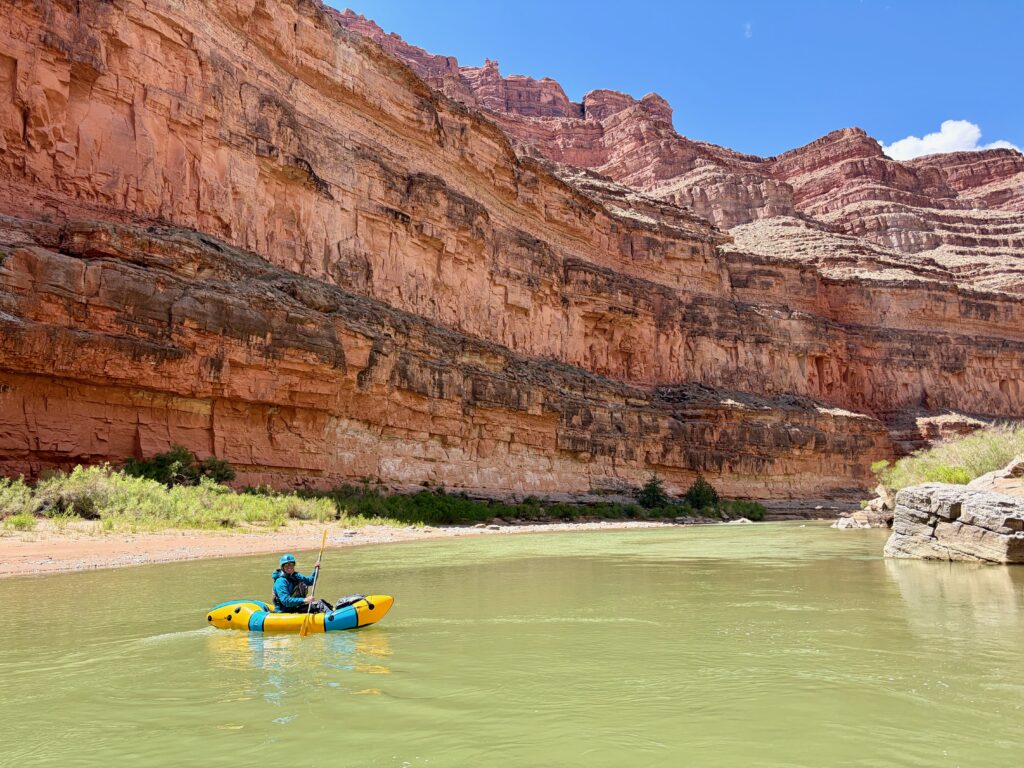
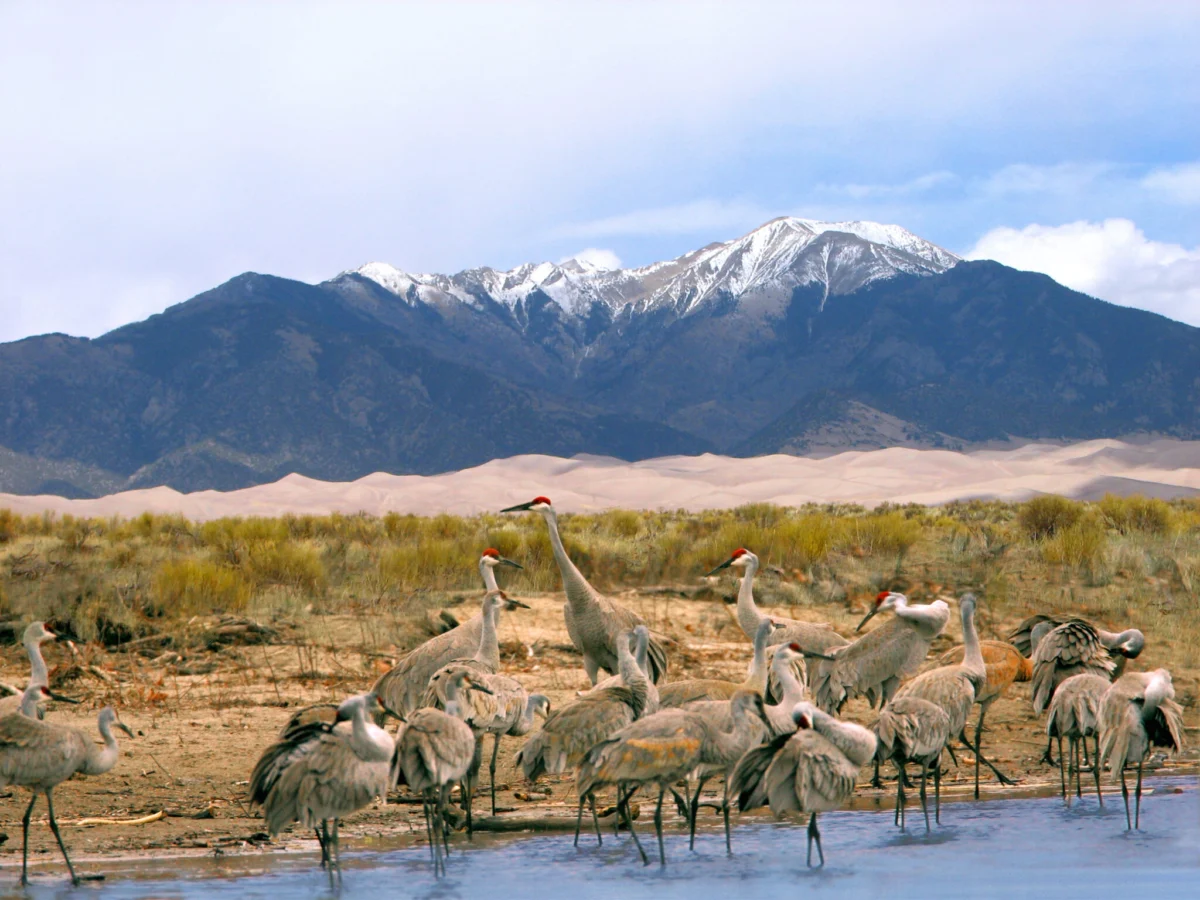
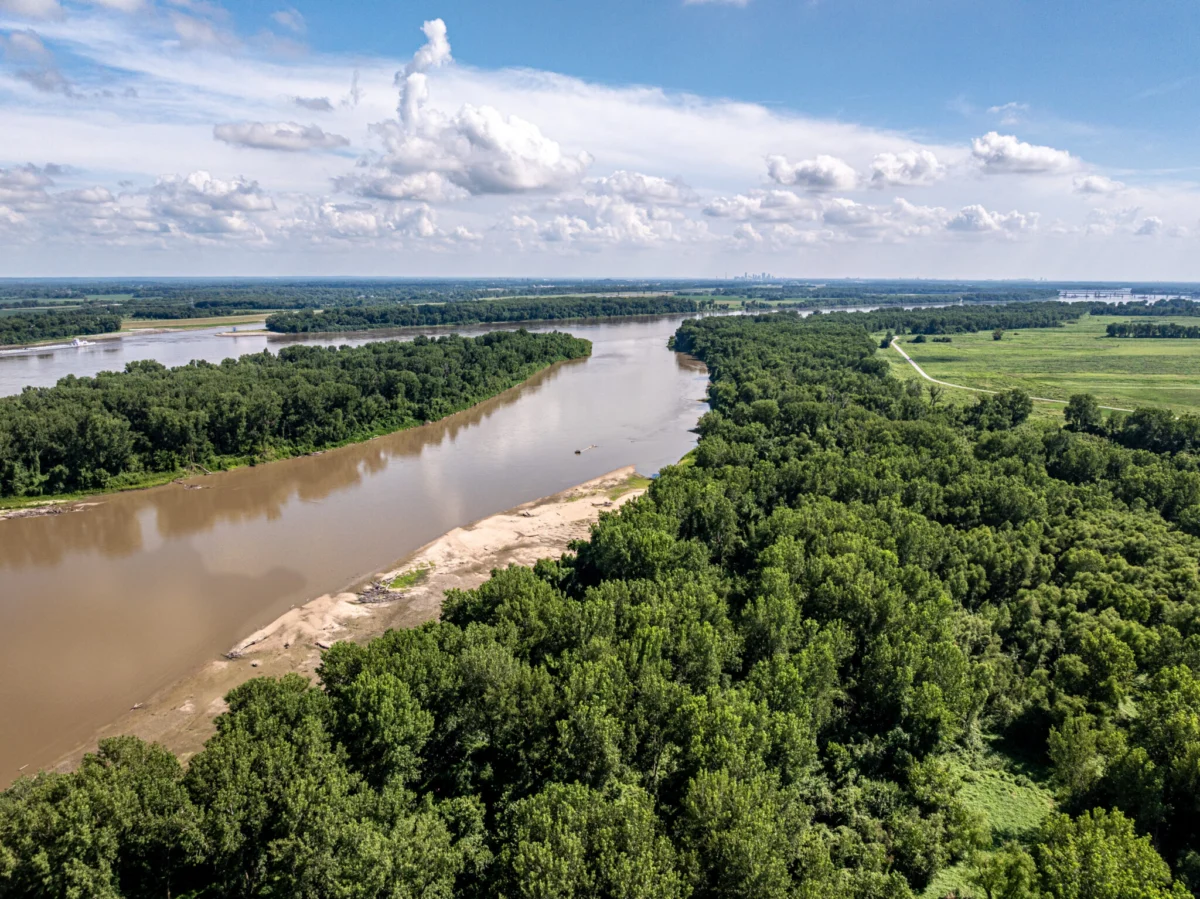
These monuments serve as more than just scenic backdrops; they act as the "water towers" of the American West. Over the last 30 years, 31 designated national monuments have collectively shielded 21,143 miles of rivers across 2,125 individual watersheds. These protections ensure clean, reliable water supplies for more than 13 million people, providing a foundational resource for both human communities and vital wildlife corridors.
The economic argument for these lands is equally compelling. Gateway communities—towns bordering these monuments—consistently report robust growth linked to outdoor recreation. For example, following the designation of the Rio Grande Del Norte National Monument in New Mexico, the town of Taos witnessed a 40% surge in tourism and a 20% increase in lodging tax revenue within a single year. Similarly, in Maine, the Katahdin Woods and Waters National Monument has become an economic engine, contributing $3.4 million to local economies while protecting the headwaters of the Penobscot River, an essential habitat for endangered Atlantic salmon.
The Chronology of Conflict: A Timeline of Retraction
The recent rollback of protections for Bears Ears and Grand Staircase-Escalante is the culmination of a decade of administrative volatility.
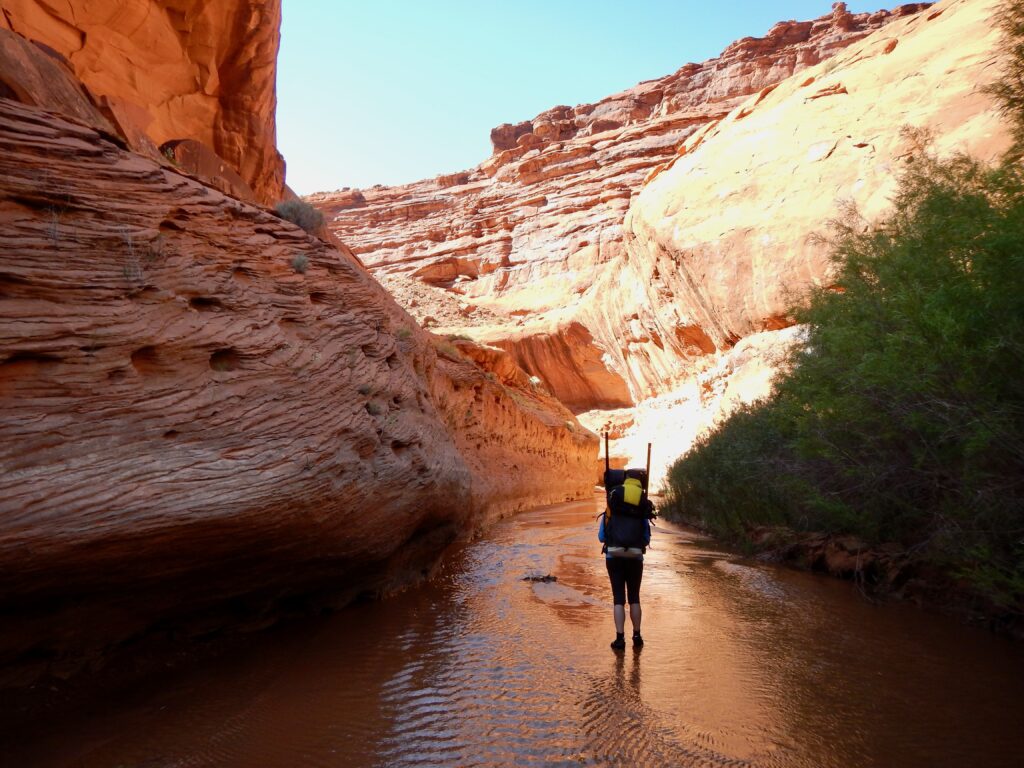
- 2016: The Bears Ears Inter-Tribal Coalition—comprising the Hopi, Navajo, Ute Mountain Ute, Zuni, and Ute Indian Tribes—successfully petitioned for the designation of Bears Ears National Monument. It was a landmark achievement, marking the first time a national monument was established based on continuous tribal connection to the land and the presence of nearly 100,000 archaeological sites.
- 1996: Grand Staircase-Escalante was designated as a monument to protect its unique paleontological, geological, and cultural resources, beginning a 30-year partnership between federal agencies and local tribal coalitions.
- 2017: A previous administration attempted to shrink these monuments by approximately 2 million acres. This action was met with intense legal challenges and widespread public outcry.
- 2021: Following his inauguration, President Joe Biden reversed the 2017 boundary reductions, restoring the monuments to their original scope.
- July 2026: The current administration issued new proclamations, reducing the monuments to just 300,000 acres combined—a 90% reduction. This move included the immediate disbandment of the Bears Ears Commission, a body composed of tribal representatives tasked with the co-management of the land.
Supporting Data: The Ecological and Cultural Cost
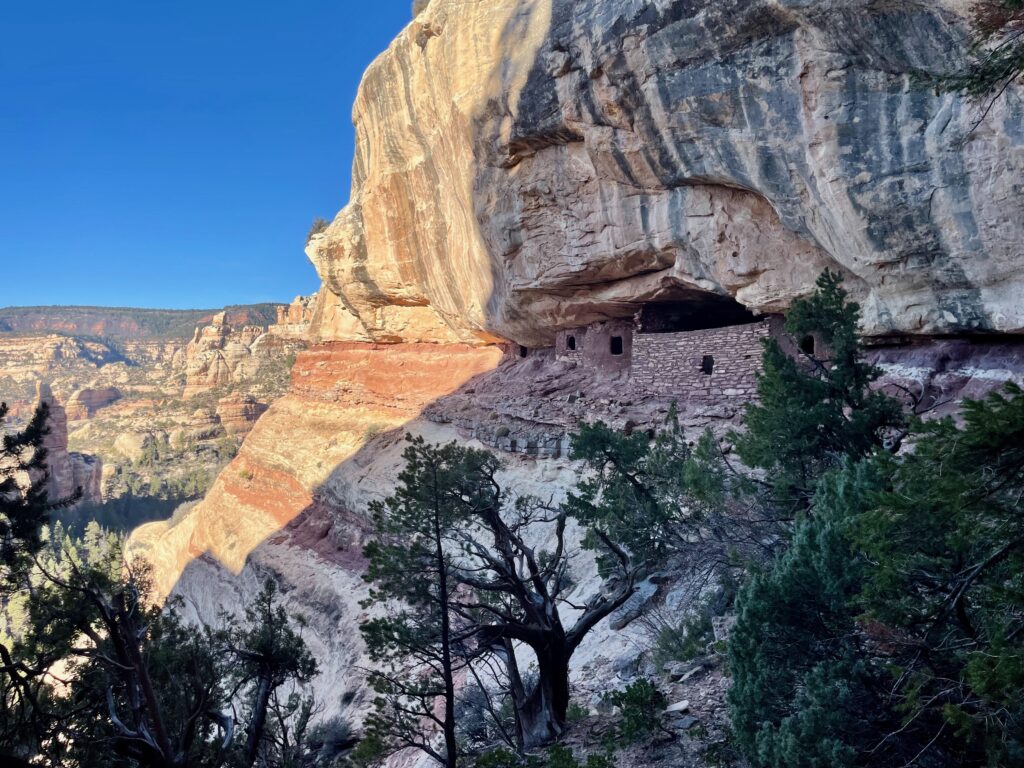
The implications of this reduction extend far beyond the map. The Bears Ears region is widely considered an "open-air museum," housing Ancestral Puebloan cliff dwellings, kivas, and sacred rock art. For the tribal members who have stewarded these lands for millennia, the loss is not just administrative; it is a direct assault on their cultural identity and spiritual heritage.
Ecologically, the damage is quantifiable. The San Juan and Escalante river systems rely on the integrity of the surrounding canyons and mesas to maintain water quality. The migration corridors for elk, mule deer, and bighorn sheep—which rely on the river corridors for survival—are now largely outside protected zones, leaving them vulnerable to habitat fragmentation.
In the case of the Penobscot River in Maine, the protection of the East Branch and the surrounding forest sustains not only the salmon but also lynx, moose, and bald eagles. When we remove monument status, we remove the "entire web of life" that relies on the legal shield of public land designation.
Official Responses and Public Sentiment
The reaction to the July 2026 proclamations has been swift and severe. The removal of tribal seals from monument signage and the dismantling of the Bears Ears Commission have been widely condemned as a breach of the federal government’s trust responsibility to Native nations.
Public engagement, however, suggests a disconnect between the administration’s policy and the desires of the populace. Over 1,000 protesters recently gathered across six Utah cities, signaling that the defense of these lands remains a potent political force. Conservation groups have already begun preparing for a protracted legal battle, arguing that the Antiquities Act does not grant a president the authority to effectively abolish a monument—a power reserved solely for Congress.
The Broader Implications: A Future at Risk
The rollback of these two monuments sets a dangerous precedent. If the protections afforded to Bears Ears and Grand Staircase-Escalante can be stripped away so easily, the status of every other national monument in the country is now effectively in limbo.
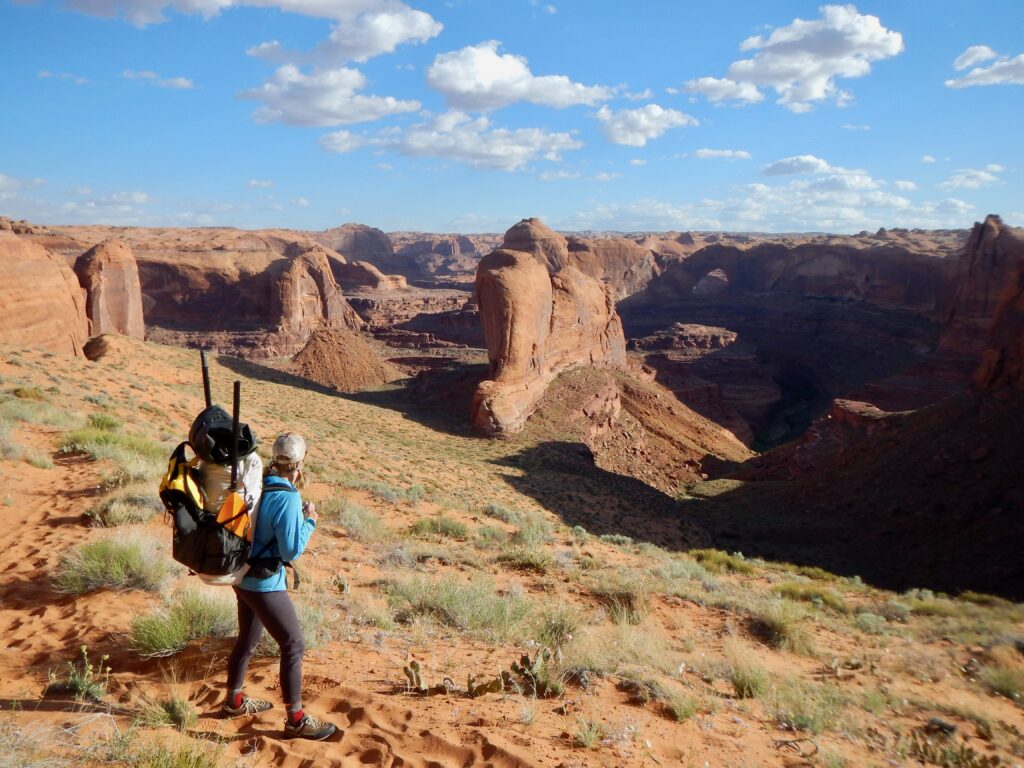
There is, of course, a place for appropriate development in the United States. However, the systematic dismantling of our most significant public lands suggests an abandonment of the "public trust" doctrine. We are moving away from a model of landscape-scale conservation toward a model of short-term resource extraction.
The consequences of this shift are long-term. Rivers do not recognize political boundaries, and the health of our downstream communities is tied directly to the health of our upstream headwaters. When we degrade the "natural water towers" that provide our cities with clean, filtered water, we are choosing to trade long-term ecological stability for immediate, often unsustainable, economic gain.
Conclusion: A Call to Reclaim Our Heritage
As citizens, we are the ultimate stakeholders in these landscapes. The Antiquities Act was designed to prevent the erosion of our natural and cultural history by ensuring that special places are protected for future generations. When that protection is removed, it is not just the land that suffers—it is the integrity of our national commitment to our past and our future.
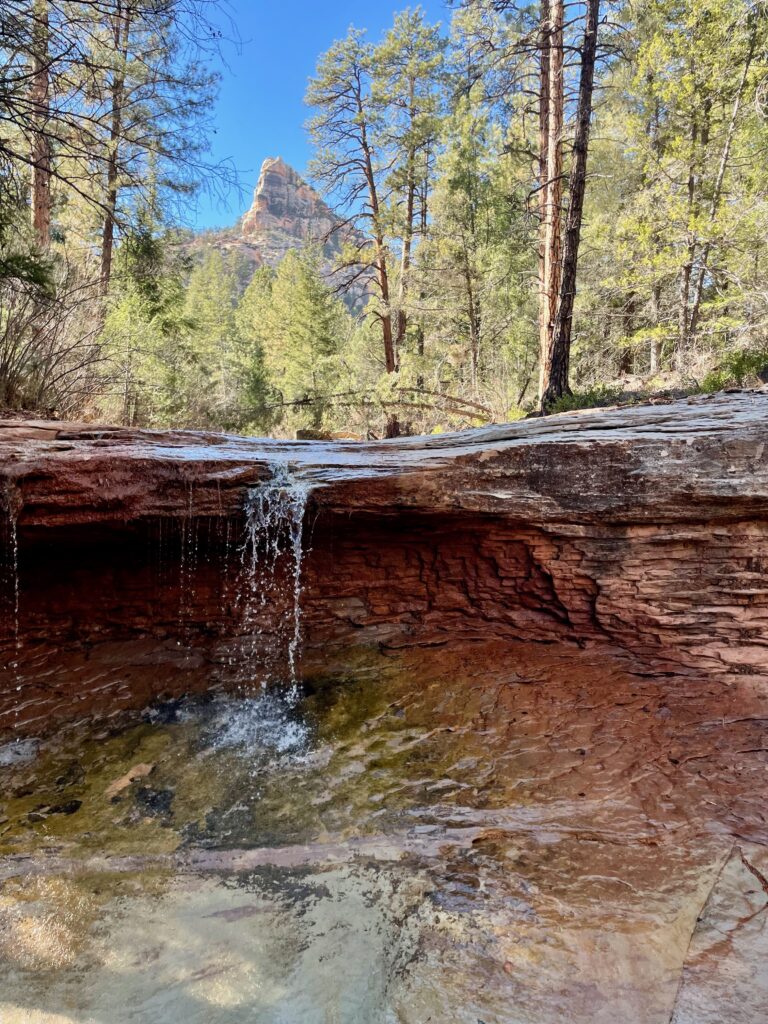
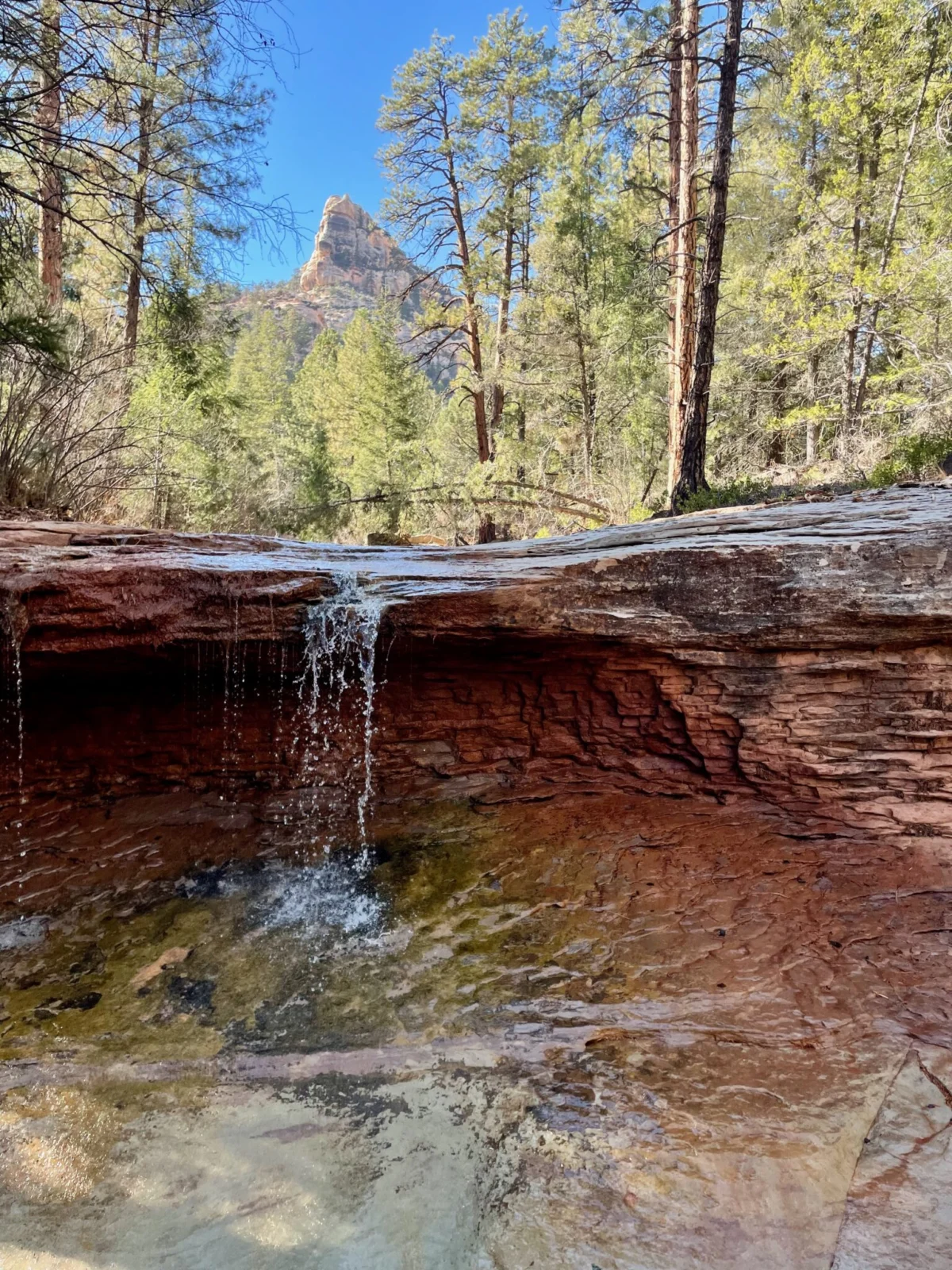
If you are fortunate enough to visit these monuments, do so. Walk the red rock canyons, paddle the desert rivers, and witness the ancestral homes of the Puebloan people. In seeing these places for yourself, you will understand that they are not merely "federal property." They are the cathedrals of our nation, the repositories of our history, and the lifeblood of our rivers. Protecting them is not a partisan issue; it is a patriotic one. As the nation grapples with these latest rollbacks, the message from the public remains clear: our public lands are not for sale, and our history is not a commodity to be traded away.