For the thousands of students, faculty, and staff traversing the University of California, Santa Barbara (UCSB) campus, the daily commute is often a blur of lecture halls, library deadlines, and the frenetic energy of academic life. Yet, just beyond the manicured edges of the university lies a sprawling, 170-acre sanctuary that operates on an entirely different rhythm: the Coal Oil Point Reserve and the interconnected Devereux Slough. While many pass this landscape daily, few realize they are walking alongside one of the most vital ecological hubs on the California coast.
The Intersection of Academia and Ecology: Main Facts
Coal Oil Point Reserve is not merely a scenic backdrop for coastal walks; it is a critical, protected component of the University of California Natural Reserve System. The site serves as a rare, high-functioning coastal wetland complex that bridges the gap between urban development and the Pacific Ocean.
The reserve encompasses a diverse mosaic of habitats, including salt marshes, estuaries, coastal dunes, and maritime grasslands. At its heart lies the Devereux Slough, a dynamic, tidal wetland that functions as a “living lung” for the region. Unlike stagnant bodies of water, the slough is defined by its seasonal variability. During the wet season, it expands, flooding the low-lying basin with nutrient-rich water. During the drier months, the waters recede, leaving behind salt flats and intricate channels that reveal the underlying complexity of the estuarine floor.
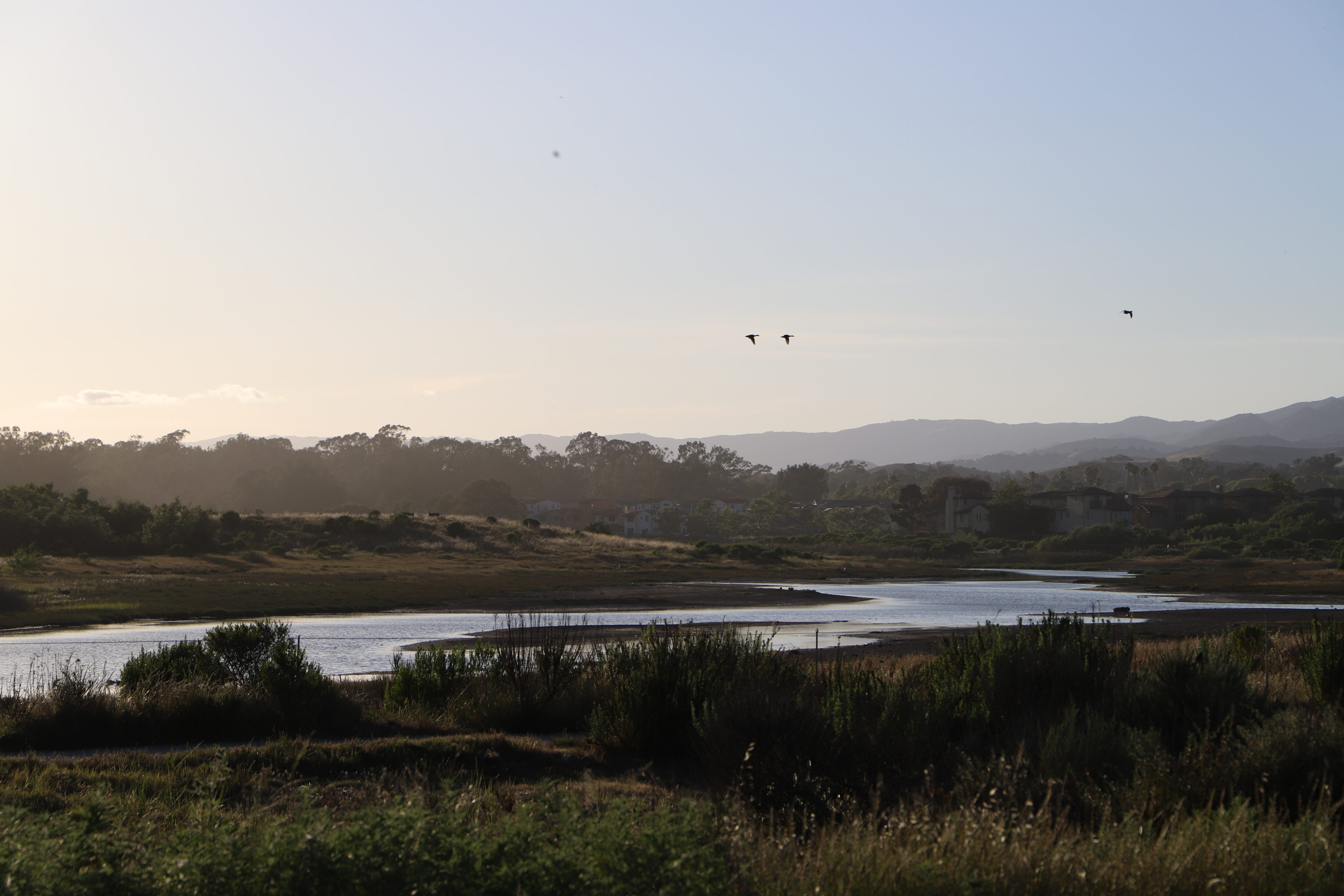
This environmental heterogeneity is exactly what makes the reserve a biodiversity hotspot. It acts as a refuge for native species that have been increasingly squeezed out by coastal development, including the great blue heron, the brown pelican, and the elusive western snowy plover.
A Chronology of Conservation
The story of Coal Oil Point is one of resilience. Long before it became an outdoor laboratory for UCSB, the area was managed by the indigenous Chumash people, who understood the ecological value of the slough’s seasonal abundance.
In the modern era, the site faced significant pressure from the rapid expansion of the university and the surrounding Goleta community. Throughout the 20th century, the encroachment of infrastructure threatened the delicate balance of the estuary. The designation of the area as a University of California Natural Reserve in 1970 marked a pivotal turning point, shifting the land from a potential site for development to a protected zone dedicated to research, education, and habitat restoration.
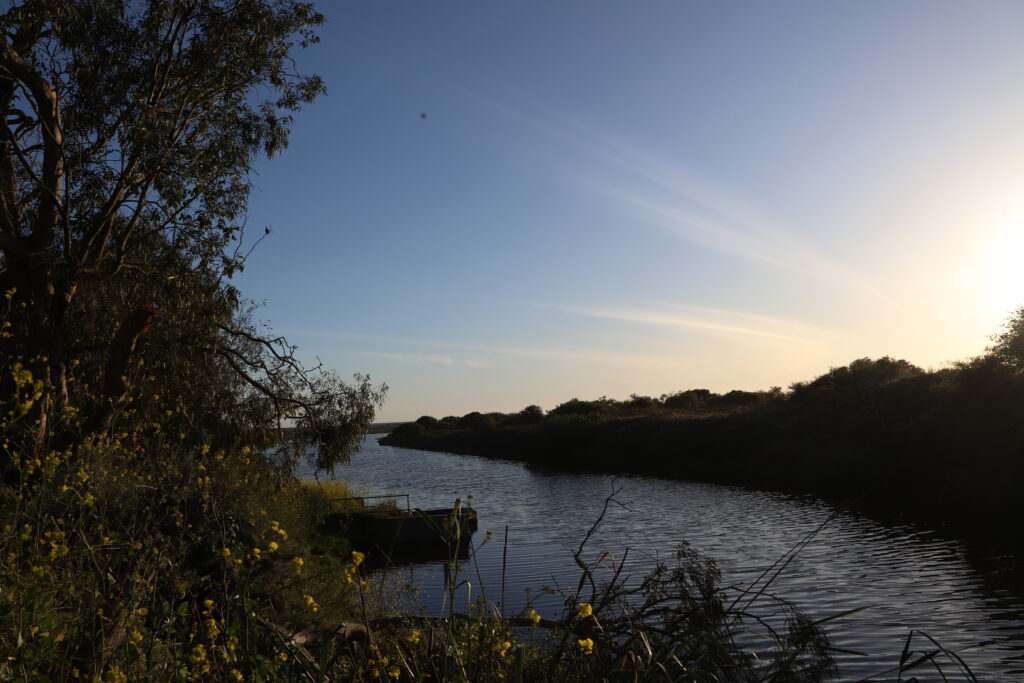
In the decades since, the reserve has undergone continuous monitoring and restoration efforts. Invasive species management, erosion control, and the implementation of “no-dog” zones during plover nesting seasons have transformed the area from a neglected parcel of land into a thriving, scientifically managed ecosystem.
Supporting Data: The Biodiversity Engine
The ecological significance of Coal Oil Point is supported by decades of data. The reserve is arguably most famous for its status as one of the most critical nesting sites for the western snowy plover in the United States.
Winter counts frequently reveal hundreds of these small, ground-nesting shorebirds congregating on the reserve’s sandy beaches. Their presence is a biological indicator of the site’s health; because they are highly sensitive to human disturbance and predators, their successful breeding at Coal Oil Point speaks volumes about the efficacy of the current management strategies.
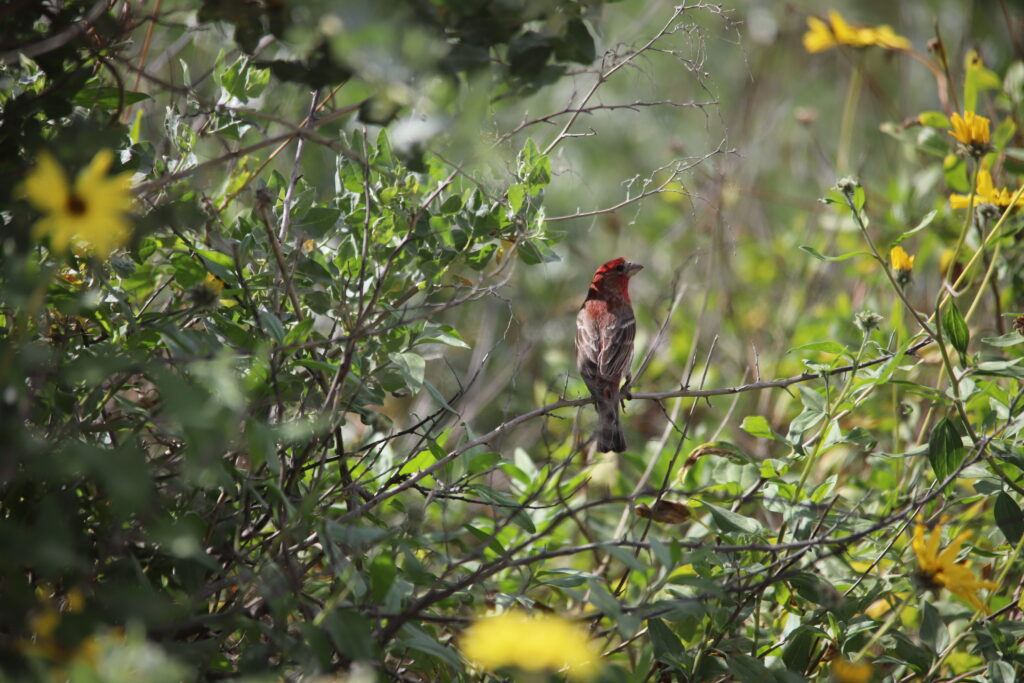
Beyond the plovers, the reserve hosts:
- Avian Diversity: Over 250 species of birds have been documented at the reserve, ranging from raptors like the northern harrier to migratory waterfowl that use the slough as a vital stopover on the Pacific Flyway.
- Herpetofauna: The marshy edges provide shelter for the slender salamander and various native garter snake populations.
- Botanical Riches: The reserve supports rare coastal dune vegetation that is essential for stabilizing the coastline against the increasing impacts of climate change and sea-level rise.
The Student Perspective: Voices from the Field
To better understand the human-nature interface at the reserve, we engaged with the students who utilize these grounds daily. Their perspectives highlight a recurring theme: the necessity of the "quiet break."
"It just feels like a quiet break from everything, even if you’re right next to campus," says one Environmental Studies major. This sentiment is echoed by many who find that the psychological benefits of the reserve are just as significant as its biological ones.
During the high-stress windows of midterms and finals, the slough provides a sensory reset. A Geography student noted, "It’s just nice that it’s there. You can go out and it’s quiet for a second, even when everything else feels chaotic."
For those in the sciences, the connection is more analytical yet equally profound. "Spaces like Coal Oil Point give students a controlled but natural environment to not just conduct research in, but to connect with," notes the Communications Chair of the UCSB Seeds Club. "These spaces allow undergrads to be as close as possible to our native wetland species. It makes the abstract concepts we learn in lecture, like trophic cascades or habitat fragmentation, suddenly very real."
Official Responses and Strategic Implications
The management of Coal Oil Point is not without its challenges. As the university grows, the pressure to integrate campus expansion with conservation goals remains a constant tension.
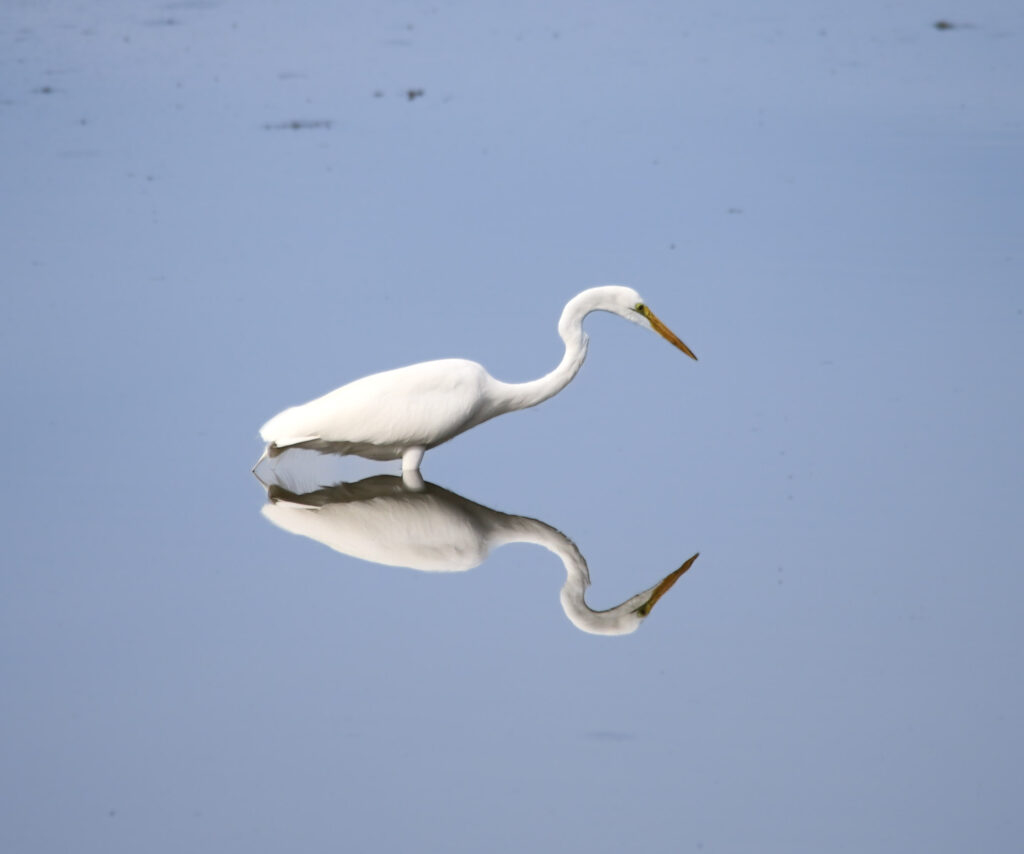
Officials at the UC Natural Reserve System emphasize that the goal is "coexistence." The policy of the reserve is to prioritize habitat integrity while allowing for non-invasive public access. This dual-purpose strategy serves as a blueprint for other universities across the country: how to maintain an urban campus without sacrificing the ecological health of the land it sits upon.
The implications for the broader environmental movement are significant. Organizations like American Rivers, which advocate for the health of waterways nationwide, point to sites like the Devereux Slough as "microcosms of global health." If we can protect a small, local wetland, we are inherently contributing to the health of the larger Pacific watershed.
The Broader Context: Why It Matters
Why, in an era of digital immersion, should we care about a specific patch of salt marsh in Goleta?
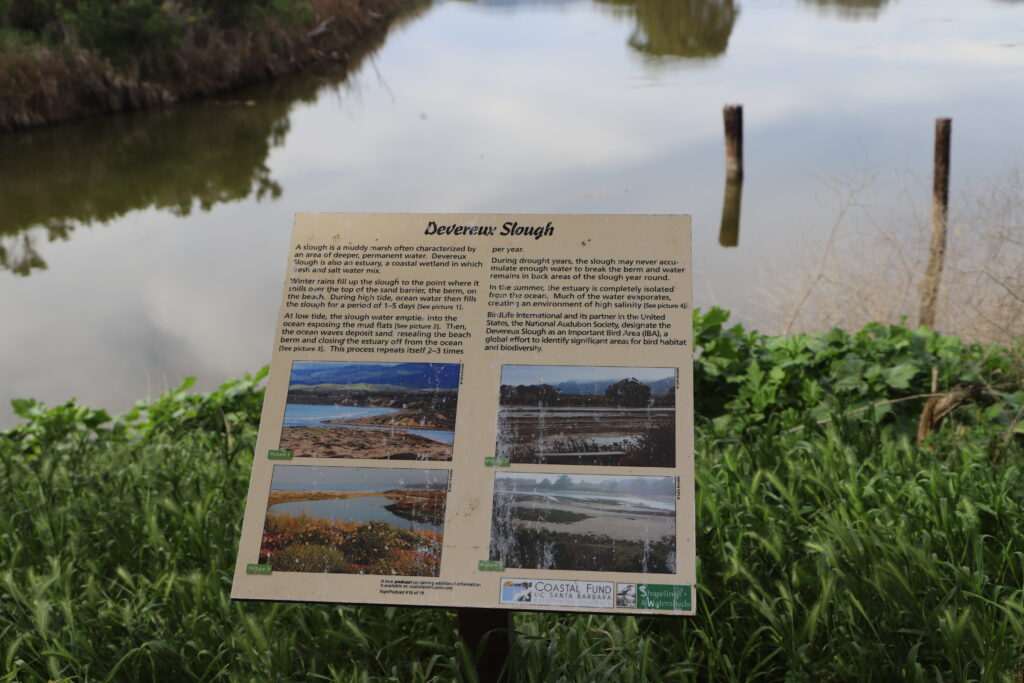
The answer lies in the concept of "nature-connectedness." Research increasingly shows that proximity to natural landscapes reduces stress, improves cognitive function, and fosters a sense of stewardship. When students see the western snowy plover or watch an egret wade through the still water of the slough, they are not just looking at wildlife—they are witnessing the consequences of land-use decisions.
The reserve acts as a living laboratory for the next generation of environmental leaders. It teaches them that conservation is not something that happens in a distant rainforest or a protected national park; it happens right at the edge of their dorms and classrooms.
A Closing Reflection: The Power of Noticing
As the academic year draws to a close, it is worth pausing at the boundary of the reserve. For many students, this place has become a sanctuary—a place where the sound of the surf and the wind through the grasses replaces the hum of the laptop and the chatter of the dining hall.
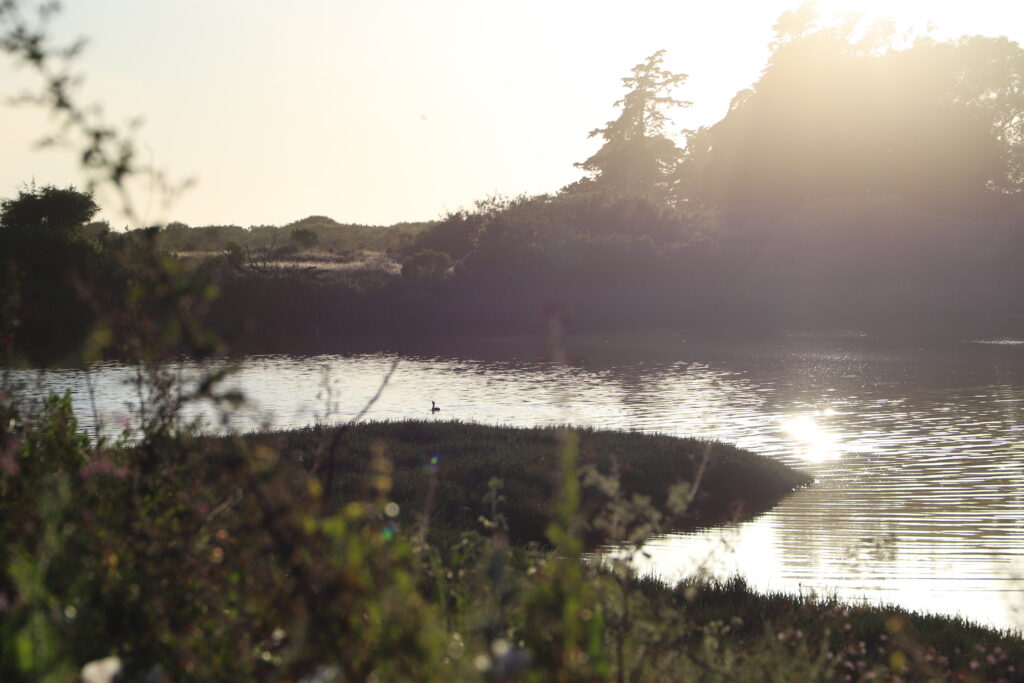
The power of conservation storytelling often begins with the simplest act: stopping. When we stop, we notice. We notice the shift in the tides, the movement of the birds, and the way the sunset catches the water of the slough.
As we look toward the future, the integration of people and the environment will become our most pressing challenge. Places like Coal Oil Point serve as a reminder that we live in nature, not merely around it. By protecting these spaces, we are not just saving habitat; we are preserving the possibility of connection.
The next time you walk the trail along the Devereux Slough, take a moment. Put away your phone. Listen to the sounds of the marsh. In that brief, quiet intersection of campus and wild, you might just find the perspective you need to carry forward into the rest of your life. These landscapes are more than just open space—they are the heartbeat of the coast, and they are, undeniably, worth protecting for every generation to come.