Introduction: A Nation Under Water
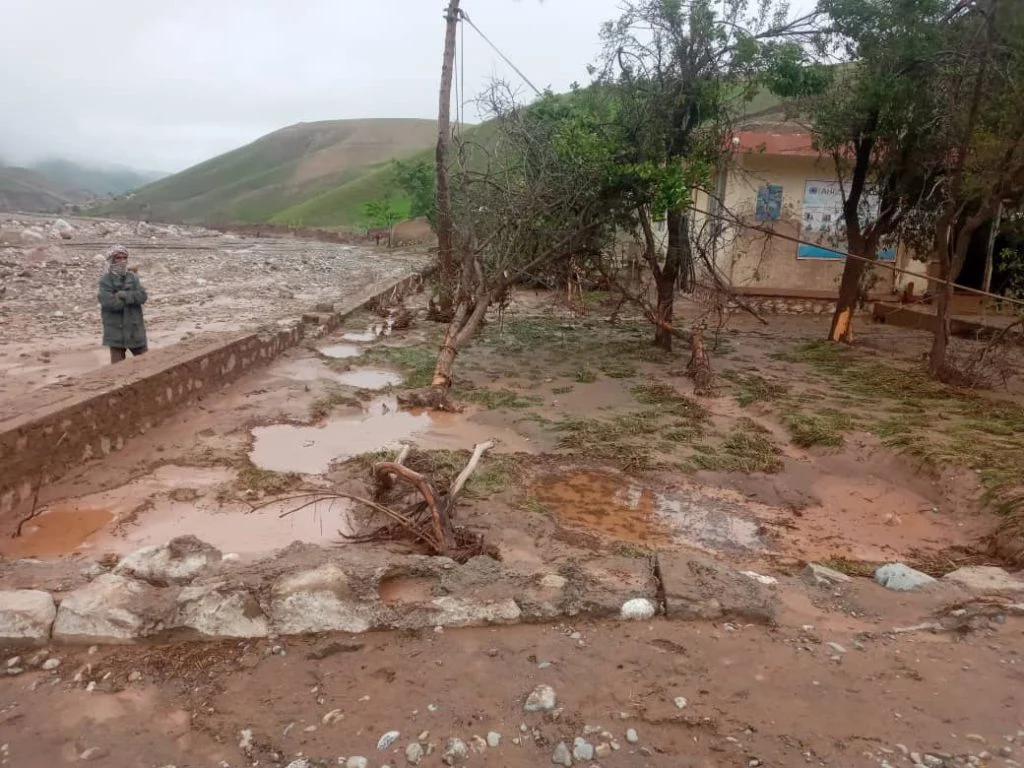
In mid-May 2024, the northern provinces of Afghanistan were struck by a series of catastrophic flash floods, triggered by a succession of unseasonably heavy, torrential rains. The deluge, which began on May 10, transformed peaceful villages into zones of total devastation, sweeping away homes, livestock, and, most tragically, hundreds of lives. As of May 13, 2024, international health bodies and humanitarian agencies confirmed that the death toll had surpassed 300, with thousands more displaced and traumatized. The disaster has laid bare the extreme vulnerability of rural Afghan infrastructure to climate-induced events, leaving a trail of destruction that has prompted urgent calls for international aid.
Chronology of the Disaster: A 48-Hour Deluge
The tragedy unfolded rapidly between May 10 and May 11, 2024. Meteorological conditions in the northern region had been volatile for weeks, but the intensity of the rainfall during this 48-hour window was unprecedented.
- May 10: The initial wave of flooding began as mountain runoff, swollen by heavy rains, surged into the valleys of Baghlan province. Local residents reported that the water levels rose with terrifying speed, leaving little time for evacuation.
- May 11: The floodwaters reached their peak, inundating districts across Baghlan, Takhar, and Badakhshan. By the evening, communications in many areas had been severed as power grids failed and roads were washed away.
- May 12: As the waters began to recede, the scale of the carnage became visible. International agencies, including the International Organization for Migration (IOM) and the World Food Programme (WFP), began issuing initial damage reports via social media, noting that the casualty count had already breached the 300-mark.
- May 13: The World Health Organization (WHO) confirmed the death toll, warning that the figure was provisional and likely to climb as rescue teams gained access to remote, isolated hamlets that remained cut off from all ground transport.
Supporting Data: The Anatomy of Destruction
The destruction is not merely measured in human lives, but in the near-total collapse of the socio-economic fabric in the affected provinces. The UN Office for the Coordination of Humanitarian Affairs (UN OCHA) has provided a breakdown of the geographic impact, which reveals a systematic dismantling of rural infrastructure.
Baghlan Province: The Epicenter
Baghlan has suffered the most intense impact. In the Baghlani Jadid district, officials have confirmed at least 73 fatalities and 76 injuries. The physical damage here is staggering, with 1,500 houses confirmed as either damaged or obliterated. The Burka district witnessed even higher losses, with at least 70 people dead and 150 injured, while 5,000 homes were leveled. Further reports from Dahnai Ghori, Guzargah Noor, Jelga, Narin, and Puli Khumri indicate widespread infrastructure failure, with Khost and Tala wa barfak also suffering the loss of hundreds of homes.
Takhar and Badakhshan: Secondary Fronts
In Takhar Province, the districts of Chall, Ishkamish, Farkhar, and Namak Ab were severely impacted, with at least 24 deaths reported. Badakhshan Province faced a unique type of infrastructure catastrophe. In the Teshkan district, the floods destroyed or damaged 200 homes, 50 critical bridges, and 30 electricity dams—essentially stripping the region of its power and connectivity. Furthermore, the agricultural base of the community was decimated, with 2,000 livestock animals killed, representing a catastrophic loss of livelihood for subsistence farmers.

Official Responses: Navigating a Humanitarian Crisis
The response to the flooding has been hampered by the geographic isolation of the affected villages and the strained capacity of the local authorities.
The Challenge of Accessibility
The Afghanistan National Disaster Management Authority (ANDMA) reported that at least six villages remain completely inaccessible to ground-based humanitarian teams. The total destruction of bridges and the saturation of roads have turned rescue efforts into a logistical nightmare. In response, ANDMA has begun coordinating with the national air force to conduct "lifting" operations, using helicopters to ferry response teams and emergency supplies into the isolated heart of the disaster zones.
International and Institutional Intervention
The World Health Organization (WHO) acted with urgency, delivering 7 metric tonnes of essential medicines, surgical kits, and medical supplies to the affected regions to prevent the secondary catastrophe of disease outbreaks. The World Food Programme (WFP) has focused on immediate survival, distributing fortified biscuits and other emergency rations to survivors who have lost their food stores to the mud and water.
The Taliban’s Minister of Economy issued an urgent, direct plea to the international community. "We are in dire need of global assistance," the minister stated, acknowledging that domestic resources are insufficient to manage a disaster of this magnitude. This call for help highlights the complex geopolitical situation, as aid organizations navigate the difficulties of providing humanitarian support in a region under international sanctions and isolation.
Implications: A Future at Risk
The aftermath of the May 2024 floods raises profound questions regarding the long-term resilience of Afghanistan.

The Vulnerability of Children
Save the Children has raised the alarm regarding the estimated 310,000 children living in the worst-affected districts. Arshad Malik, the organization’s director in Afghanistan, noted that for children, the disaster is not just a loss of home, but a complete disruption of safety and health. Children in these regions are now at acute risk of malnutrition, waterborne diseases, and psychological trauma, which will require years of sustained intervention.
Climate Change and Infrastructure
This tragedy is part of a broader pattern. Afghanistan, which has contributed negligibly to global carbon emissions, is increasingly finding itself on the front lines of climate change. The combination of prolonged drought periods—which leave the soil hard and unable to absorb water—followed by sudden, intense rainfall, creates the perfect conditions for flash floods. The destruction of electricity dams in Badakhshan and water supply systems in Baghlan indicates that the country’s infrastructure is not designed for these intensifying weather cycles.
The Economic Toll
The loss of livestock, which serves as the primary "bank account" for many rural Afghan families, will lead to a surge in poverty. With 2,000 animals lost in just one district of Badakhshan, the economic ripple effect will be felt for months. Families that were already hovering near the poverty line have now been stripped of their assets, ensuring that dependency on international aid will remain high for the foreseeable future.
Conclusion: A Long Road to Recovery
The flash floods of May 2024 represent a defining moment for northern Afghanistan. As search and rescue operations transition into the recovery phase, the focus must remain on the survivors who have lost everything. The combination of destroyed homes, shattered healthcare infrastructure, and the loss of essential livestock has created an environment where survival is the immediate priority, but rebuilding will be the long-term challenge.
International humanitarian organizations, while constrained by the political climate, are currently the only lifeline for hundreds of thousands of people. As the death toll continues to rise, the global community is being tested on its commitment to humanitarian neutrality and its willingness to support the Afghan people during one of their most desperate hours. The path forward requires not just emergency food and medicine, but a concerted effort to rebuild the climate-resilient infrastructure necessary to prevent such a catastrophic loss of life from recurring when the next rains arrive.