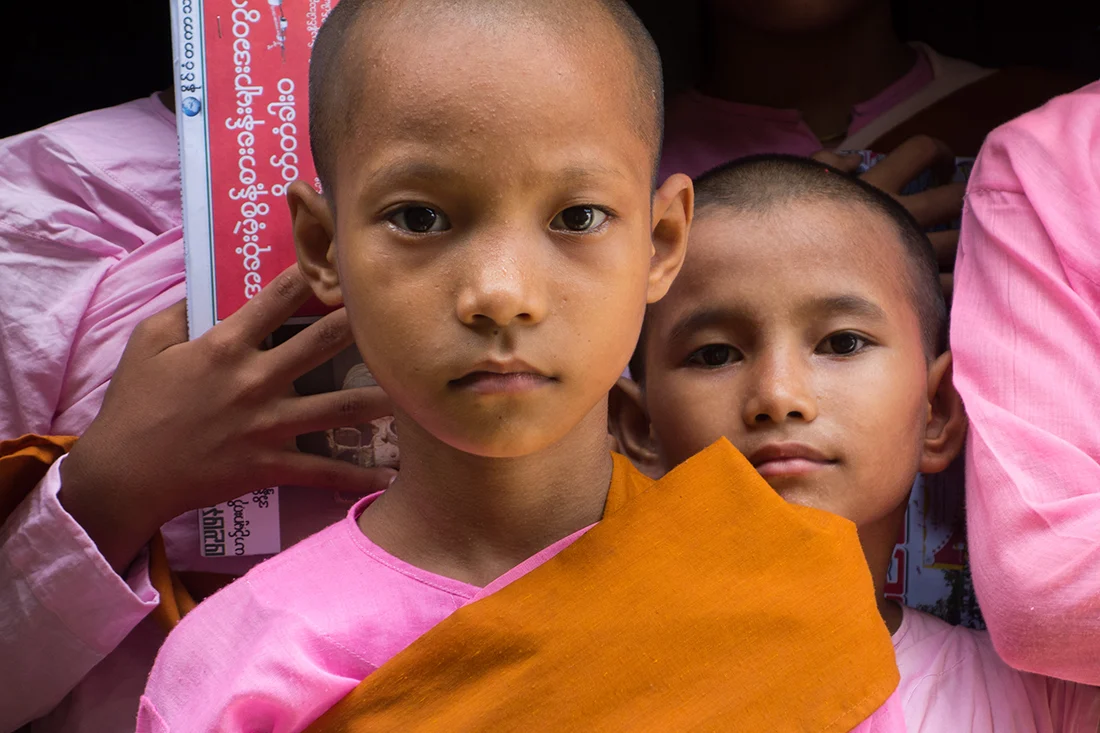
In the wake of the devastating February 1, 2021, military coup that plunged Myanmar into a state of humanitarian and civil rights catastrophe, a collective of San Francisco Bay Area activists, filmmakers, and humanitarians have launched an urgent initiative. The Burma Spring Benefit Film Festival, running online from June 3rd to 20th, serves as both a digital sanctuary for Burmese stories and a potent mechanism for international solidarity.
By curating over thirty films ranging from hard-hitting documentaries to poignant dramas, the festival aims to illuminate the resilience of a nation fighting to reclaim its democratic destiny. All profits from the event—which is accessible via the Eventive platform—are earmarked for grassroots humanitarian organizations currently operating on the ground in Myanmar.
A Chronology of Crisis: From Election to Insurrection
To understand the necessity of the Burma Spring Benefit Film Festival, one must revisit the rapid erosion of Myanmar’s fragile democratic transition.
On November 8, 2020, Myanmar held a general election that resulted in a landslide victory for Aung San Suu Kyi’s National League for Democracy (NLD). However, the military, known as the Tatmadaw, refused to accept the results, alleging widespread voter fraud—a narrative that has become a recurring motif in authoritarian takeovers globally.
In the pre-dawn hours of February 1, 2021, the Tatmadaw executed a swift and brutal coup. Civilian leaders, including President Win Myint and State Counselor Aung San Suu Kyi, were detained. The arrest list quickly expanded to include activists, journalists, and cultural icons, such as Min Htin Ko Gyi, the founder of the Human Rights Human Dignity Film Festival.
As the military solidified its control, the resistance began to take shape. By May, the disparate voices of dissent had coalesced into a global movement known as the "Spring Revolution," characterized by the slogan, "Shake the world with the voice of Myanmar people’s unity."
The Cultural Front: Artists as Targets
The involvement of the creative class in the resistance has been both profound and perilous. In Myanmar, the intersection of art and activism is a dangerous space. According to Burmese-American author and educator Kenneth Wong, a key organizer of the festival, the price of dissent is heavy.
"Filmmakers, actors, and actresses have been on the frontline of the resistance movement," Wong notes. "Their involvement goes beyond encouraging the protesters from the sidelines, and the price they paid for taking a stand against the military has been heavy."
The crackdown on the artistic community has been systematic. Popular figures, including the comedian Zarganar, film star Min Lu—who reportedly remains in the notorious Insein Prison—and model Paing Takhon, have been targeted for their support of the protests. The junta’s reach has extended to the literary community, with over thirty poets reportedly imprisoned, some of whom have been killed in custody. The Assistance Association for Political Prisoners (AAPP) reports that since the coup, well over 800 protesters have been killed and nearly 12,000 have been arrested, charged, or sentenced.
A Curated Lens: The Festival Lineup
The Burma Spring Benefit Film Festival provides a necessary, nuanced look at a country often reduced to soundbites. The selection process was led by a distinguished committee, including Buddhist Film Foundation Executive Director Gaetano Kazuo Maida, filmmaker Ellen Bruno, and activist Jeanne Marie Hallacy.
The lineup is designed to contrast different eras of struggle. Burma Spring 21 captures the immediacy of the current Civil Disobedience Movement, while the inclusion of the classic Burma VJ—which documented the Saffron Revolution—offers viewers a historical anchor.
Other films confront the country’s deep-seated systemic issues:
- I Am Rohingya: A Genocide in Four Acts: A harrowing look at the ethnic cleansing of the Rohingya people through the eyes of youth survivors.
- The Black Zone: An intense observation of a clandestine medical team navigating the conflict-ridden jungles to save lives.
- A Peaceful Land: A sobering account of farmers resisting government-sanctioned land theft and forced labor.
For Maida, the festival represents a shift in his own understanding of the region. "I was initially drawn to Burma because of its historical tradition of Buddhism and the extraordinary Bagan valley of temples," he explains. "But the burgeoning resistance has helped make me aware of the diversity in Burma, of the many ethnic communities, religions, languages, and creative energies. The festival embraces all of that."
Official Responses and the Search for Justice
A cornerstone of the festival is its series of live talks and forums, which bridge the gap between artistic expression and geopolitical policy. Panels such as Myanmar Diaspora and the Milk Tea Alliance and Refugees and the Humanitarian Crisis provide context for the ongoing struggle.
Perhaps most significant are the sessions featuring members of the National Unity Government (NUG), the shadow government formed in the wake of the coup to challenge the legitimacy of the junta. Wong highlights the importance of these panels, particularly those focusing on the intersection of ethnic minorities and the pro-democracy movement.
"The population, having personally witnessed the military’s brutality, is growing closer to the ethnic minorities who had endured the same type of mistreatments for years in the border areas," Wong observes. This unity is a transformative development in a country long fractured by ethnic conflict.
Implications: Beyond the Headlines
The implications of the Burma Spring Benefit Film Festival extend far beyond the duration of the stream. By providing a platform for the voices of the resistance, the organizers are effectively challenging the international community to remain engaged.
Lee Morgenbesser, an expert on authoritarian politics at Australia’s Griffith University, characterizes the coup as a definitive end to the "faulty and fragile push towards democracy" that defined the last decade. As the international community struggles to exert effective pressure on the Tatmadaw, the festival serves as a reminder that the resistance is not merely political—it is cultural, personal, and profoundly human.
A Vision of the Future
Kenneth Wong emphasizes that the goal is not merely to document a tragedy, but to humanize a nation that is currently being silenced. He dreams of a future where the world knows Burma not by its headlines of bloodshed, but by its soul.
"It’s the country where George Orwell was inspired to write his anticolonial novel Burmese Days," Wong reflects. "Where people in bright sarongs and sweat-stained T-shirts spend hours in teashops talking about books and poetry; where spirit-possessed mediums dance in delirium as they quaff down glasses of whiskey."
He remains hopeful that when the military’s guns are finally silenced, the international audience will return to these films to find the "enchanting country" that exists beneath the surface of the current turmoil.
How to Participate
The Burma Spring Benefit Film Festival is a call to action for those who believe that silence is complicity. While donations are welcome, the festival emphasizes the importance of visibility and engagement. By tuning in, viewers become part of a global audience witnessing the courage of a people who refuse to yield.
For more information, to purchase tickets, or to donate, visit the official festival page. As the festival slogan implies, the time to stand with the people of Myanmar is now. In the face of overwhelming odds, the art of the Burma Spring serves as a testament to the fact that while a regime can seize a government, it cannot seize the spirit of a people determined to be free.